

How to Choose the Right Conference Venue for Business Events
Choosing the right conference venue is one of the most important decisions when planning a business event. The venue influences attendance, delegate comfort, presenter confidence, catering quality, technology reliability and the overall impression of your organisation.
The best venue is not always the cheapest or the largest. It is the venue that supports your event objectives, makes the day easy for delegates and gives organisers confidence that the details will be managed professionally.
This guide explains how to choose the right conference venue for business events, including what to look for, what questions to ask and how to compare venues properly.
Why Choosing the Right Conference Venue Matters
A conference venue does more than provide a room. It shapes the way delegates arrive, move, learn, network and engage throughout the day.
A well-chosen venue helps sessions start on time, keeps delegates comfortable, supports presenters and reduces organiser stress. A poor venue choice can create late arrivals, confusing registration, technology delays, catering issues and a weaker delegate experience.
For corporate conferences, training programs, seminars, workshops, government meetings, association events and hybrid programs, the right venue partner can make the event feel smooth, professional and well organised.
Start With Your Event Objectives
Define the Purpose of the Event
Before comparing venues, define what the event needs to achieve. A leadership briefing, training workshop, client seminar, board meeting, roadshow or hybrid conference will each require a different venue setup.
Ask what delegates need to do during the event. Will they listen to presentations, take notes, work in groups, network, attend breakout sessions or participate remotely? These answers will guide your room layout, AV requirements, catering schedule and support needs.
Understand Your Audience
Consider who will attend. Senior executives, government delegates, clients, trainees, association members and interstate guests all have different expectations.
Think about delegate numbers, travel needs, accessibility requirements, networking expectations and how long people will be in the room. A full-day training session needs more comfort and table space than a short briefing. A client event may require a more polished arrival experience and professional presentation.
Choose a Location That Supports Attendance
Why CBD Access Matters
Location has a direct impact on attendance and punctuality. A CBD conference venue close to public transport, parking, taxis, hotels and business services makes it easier for delegates to arrive on time.
For interstate or regional attendees, nearby accommodation and simple transport connections are especially important. A central location can reduce travel stress and make the event easier to coordinate.
Consider Accessibility and Arrival Experience
The arrival experience starts before delegates reach the registration desk. Clear building entry, lift access, signage, accessible amenities and easy wayfinding all contribute to a smoother event.
When comparing venues, ask whether delegates can easily find the venue, move through the building and reach the conference room without confusion. A professional arrival experience sets the tone for the day.
Match the Room Layout to the Event Format
Common Conference Room Layouts
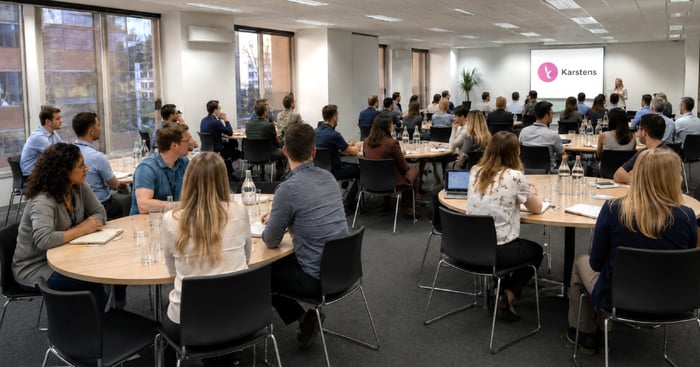
Different event formats need different room layouts. Theatre style works well for presentations and keynote sessions. Classroom style suits training and note-taking. Cabaret supports discussion and group work. Boardroom and U-shape layouts suit executive meetings, workshops and facilitated sessions.
The right layout should support the way people need to participate, not just fit the maximum number of chairs into a room.
Capacity Is Not Just a Number
Advertised room capacity can be misleading. A room that fits 80 delegates theatre-style may not suit 80 people with tables, laptops, workbooks and catering breaks.
Ask for capacity by layout and confirm table space, presenter area, screen visibility, delegate movement and breakout needs. The room should feel comfortable, not crowded.
Assess Delegate Comfort and Room Quality
Comfort for Full-Day Events
Delegate comfort matters, especially for full-day conferences and training programs. Look for ergonomic chairs, natural light, good acoustics, air conditioning, clear sightlines and enough table space.
If delegates are uncomfortable, distracted or unable to see and hear clearly, engagement will suffer. Room quality directly affects learning, discussion and overall satisfaction.
Breakout and Networking Areas
Breakout areas are important for catering, networking, phone calls, informal conversations and group activities. They help delegates reset between sessions and create space for collaboration.
A venue with dedicated breakout areas is often more suitable for business events than a venue that relies on corridors, public lobbies or shared hotel spaces.
Check AV, Wi-Fi and Hybrid Meeting Capability
Essential AV Inclusions
Technology should be confirmed early. Ask whether the venue includes screens, projectors, microphones, speakers, presenter controls, whiteboards, lecterns and reliable Wi-Fi.
Also ask whether technical support is onsite during the event. Presenters need confidence that their slides, microphones and connections will work without delaying the agenda.
Hybrid Event Requirements
Hybrid events require more than a laptop in the room. Remote participants need to see, hear and contribute clearly. This may require cameras, room microphones, strong internet, Zoom or Microsoft Teams support and experienced technical staff.
If remote participation is part of the event, choose a venue that understands hybrid meeting delivery and can support both in-room and online delegates.
Compare Catering and Refreshments
Catering Quality Affects Delegate Experience
Catering is a major part of the delegate experience. Morning tea, lunch, afternoon tea, continuous coffee and tea, water and healthy menu options all help maintain energy and focus.
Poor catering can affect the mood of the event. Fresh, well-timed catering supports networking and gives delegates a better overall impression.
Dietary Requirements and Timing
Confirm how the venue manages dietary requirements such as vegetarian, vegan, gluten-free, dairy-free, halal, kosher and allergy-specific meals.
Catering timing should also match your agenda. Breaks should support the event flow, not interrupt important sessions or leave delegates waiting.
Understand Pricing and Inclusions
Compare Total Value, Not Room Hire Alone
Low room hire can appear attractive, but it may not represent the true cost of your event. Some venues charge separately for AV, Wi-Fi, technical support, catering, setup changes, overtime or additional equipment.
When comparing venues, calculate the total cost per delegate. This gives a more accurate picture of value than room hire alone.
Ask What Is Included
Request a clear quote that shows inclusions and exclusions. Confirm whether pricing includes room hire, catering, refreshments, AV, Wi-Fi, technical support, breakout space, GST, final number flexibility and cancellation terms.
Transparent pricing helps organisers avoid surprises and makes internal approvals easier.
Look for Strong Onsite Support
Why Venue Support Matters
A strong venue team can make a major difference to event delivery. Onsite support helps with room setup, AV checks, catering timing, signage, delegate flow and troubleshooting.
A dedicated venue contact or event coordinator reduces organiser stress and helps ensure nothing important is missed.
Reduce Organiser Workload
Business event organisers often manage many details at once, from speakers and stakeholders to registration and catering. An experienced venue team helps organisers stay focused on the event rather than managing operational problems.
The right venue partner should feel like an extension of your event team.
Consider Flexibility and Risk Management
Final Numbers and Room Changes
Delegate numbers can change close to the event. Ask when final numbers are due and whether the venue can adjust catering, room size or layout if attendance changes.
Flexibility is especially important for conferences, training programs, government events and association meetings where registrations may shift.
Cancellation and Contingency Planning
Review cancellation terms, postponement options and contingency planning. Clear terms reduce risk and help organisers make confident decisions if plans change.
A responsive venue team can also help manage unexpected issues on the day, such as speaker delays, technology problems or last-minute room adjustments.
Conference Venue Checklist
Use this checklist when choosing a conference venue:
- Event objectives are clear
- Delegate numbers are confirmed
- Venue location is easy to access
- Public transport and parking are nearby
- Accommodation is available close to the venue
- Accessibility needs are supported
- Room layout suits the event format
- Capacity is confirmed by layout
- AV inclusions are clear
- Wi-Fi is reliable
- Hybrid capability is available if needed
- Catering suits the agenda
- Dietary requirements can be managed
- Breakout areas are available
- Pricing is transparent
- Onsite support is included
- Cancellation terms are clear
- Overall value is strong
Why Karstens Is a Strong Choice for Business Events
Karstens provides purpose-built conference and training venues in Melbourne, Sydney, Brisbane, Perth and Adelaide. Each venue is designed for professional business events, with flexible room layouts, built-in AV, onsite support, hybrid meeting capability, quality catering and breakout spaces.
Karstens is well suited to conferences, training programs, seminars, workshops, roadshows, board meetings, mediations and corporate events where reliability, comfort and service matter.
For organisations planning events across multiple cities, Karstens also offers a consistent venue experience across major Australian CBD locations, making national programs easier to coordinate.
Conclusion
Choosing the right conference venue requires more than comparing room hire. Organisers should assess location, layout, comfort, AV, catering, pricing, flexibility and onsite support.
The right venue helps delegates arrive easily, presenters deliver confidently and organisers manage the event with less stress. By focusing on total value and choosing a venue designed for business events, you can create a more professional and successful conference.
Contact Karstens to discuss conference and training venue options in Melbourne, Sydney, Brisbane, Perth and Adelaide.
Frequently Asked Questions
What should I look for in a conference venue?
Look for a venue with strong location access, suitable room layouts, reliable AV, quality catering, comfortable rooms, transparent pricing and experienced onsite support.
How do I choose the right conference venue for a business event?
Start with your event objectives, delegate numbers and format. Then compare venues by location, room suitability, technology, catering, accessibility, support and total value.
Why is location important when choosing a conference venue?
Location affects attendance, punctuality and delegate experience. CBD venues close to transport, parking and hotels usually make events easier for local and interstate attendees.
What room layout is best for a conference?
The best layout depends on the event format. Theatre suits presentations, classroom suits training, cabaret supports discussion, and boardroom or U-shape layouts suit smaller executive sessions.
What AV should a conference venue include?
A professional conference venue should include screens, microphones, speakers, presentation connectivity, reliable Wi-Fi and access to onsite technical support.
How important is catering when choosing a venue?
Catering is very important because it affects delegate energy, satisfaction and networking. Well-timed breaks and quality food help support the overall event experience.
How do I compare conference venue prices?
Compare total cost per delegate rather than room hire alone. Check whether catering, AV, Wi-Fi, technical support, refreshments and setup are included.
Why choose a purpose-built conference venue?
A purpose-built conference venue is designed specifically for business events, with suitable layouts, AV, breakout spaces, catering flow, delegate comfort and experienced support teams.
For more info on how to choose the perfect conference venue