
5 Questions To Ask Before Booking A Conference Venue
Selecting the right conference venue requires careful consideration of logistics, technology, delegate comfort and support services to ensure your event runs smoothly from planning through delivery.
Location and Accessibility Questions That Impact Attendance
Location directly influences attendance rates, punctuality and overall event success. Before committing to a conference venue, ask whether the location supports convenient arrival for delegates travelling from across your city, region or multiple states. Central CBD locations consistently deliver higher attendance because they connect directly to public transport networks, provide proximity to major hotels and offer straightforward directions for interstate visitors.
Ask whether the venue provides accessible transport options including train stations, tram stops, bus routes and taxi ranks within walking distance. Corporate delegates expect to reach venues without complicated transfers or extended walks through unfamiliar areas. When planning multi-day conferences or training programs, proximity to accommodation becomes a critical consideration. Venues near quality hotels reduce delegate fatigue and make early starts more manageable.
Confirm parking availability and costs if your delegates will drive to the venue. Ask whether the building offers onsite parking, discounted rates through nearby facilities or validated parking arrangements. For events with interstate or international attendees, ask about airport transfer times and options. A venue located 15 minutes from the airport provides a different experience than one requiring a 60-minute journey through traffic.
For organisations coordinating events across multiple cities, ask whether the venue provider operates in other Australian CBD locations. A single national contact managing venues in Melbourne, Sydney, Brisbane, Perth and Adelaide simplifies logistics, maintains consistent service standards and reduces administrative coordination across state borders.
Accessibility extends beyond transport convenience. Ask whether the venue meets accessibility compliance standards and provides assisted building access for delegates with mobility requirements. Confirm lift access, ground floor options and bathroom facilities designed for all attendees. Purpose-built conference centres typically incorporate accessibility features throughout their design, unlike repurposed hotel meeting rooms or upper-level offices that may present unexpected barriers.
Technology and Audiovisual Support Requirements
Technology failures during conferences create immediate disruption, damage presenter confidence and reflect poorly on organisers. Before booking a conference venue, ask specific questions about audiovisual equipment, internet reliability and technical support availability. Generic assurances that technology is included provide insufficient detail for professional event planning.
Ask whether the venue includes built-in audiovisual equipment as part of standard room hire or whether each item attracts additional charges. Confirm what equipment is provided: data projector, screens, sound system, microphones (lapel, handheld, lectern), presenter controls, lectern or podium, whiteboard, flip charts and presentation clicker. Purpose-built conference venues typically include comprehensive AV systems within their hire rates, unlike hotels and serviced offices that often charge separately for each component.
Confirm internet capacity and reliability. Ask whether the venue provides dedicated business-grade internet rather than shared consumer connections. For conferences with 30, 50 or 100 delegates simultaneously accessing online content, standard Wi-Fi often proves insufficient. Ask about bandwidth capacity, whether the network has been tested under full room capacity and what backup systems exist if connectivity fails.
Technical support availability determines whether technology problems become minor adjustments or event-disrupting crises. Ask whether the venue provides onsite technical staff throughout your event or whether support operates on a call-out basis. Dedicated onsite technicians can resolve presenter laptop compatibility issues, adjust audio levels for different speakers and troubleshoot unexpected problems within minutes. Remote or outsourced support introduces delays that can derail tightly scheduled programs.
For hybrid conferences connecting in-room delegates with remote participants, ask specific questions about hybrid conferencing capabilities. Confirm whether the venue has professional cameras, microphones designed to capture room audio clearly, streaming platforms and staff experienced in managing hybrid events. Ask whether remote participants will see and hear presenters and audience questions clearly. Many venues claim hybrid capability but deliver poor remote experiences that leave virtual attendees feeling disconnected.
Request a technology demonstration or site inspection that includes testing AV equipment. Ask to see the actual room with screens lowered, projectors operating and sound systems active. This reveals whether sightlines work, whether screens are appropriately sized for the room, whether audio reaches all seating areas and whether ambient noise from air conditioning or adjacent spaces creates problems.
Room Configuration and Delegate Comfort Considerations
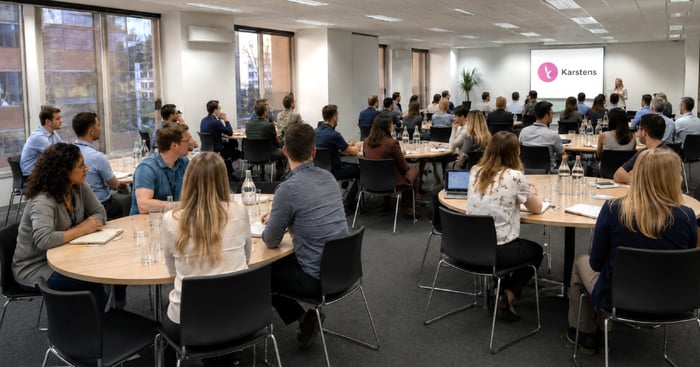
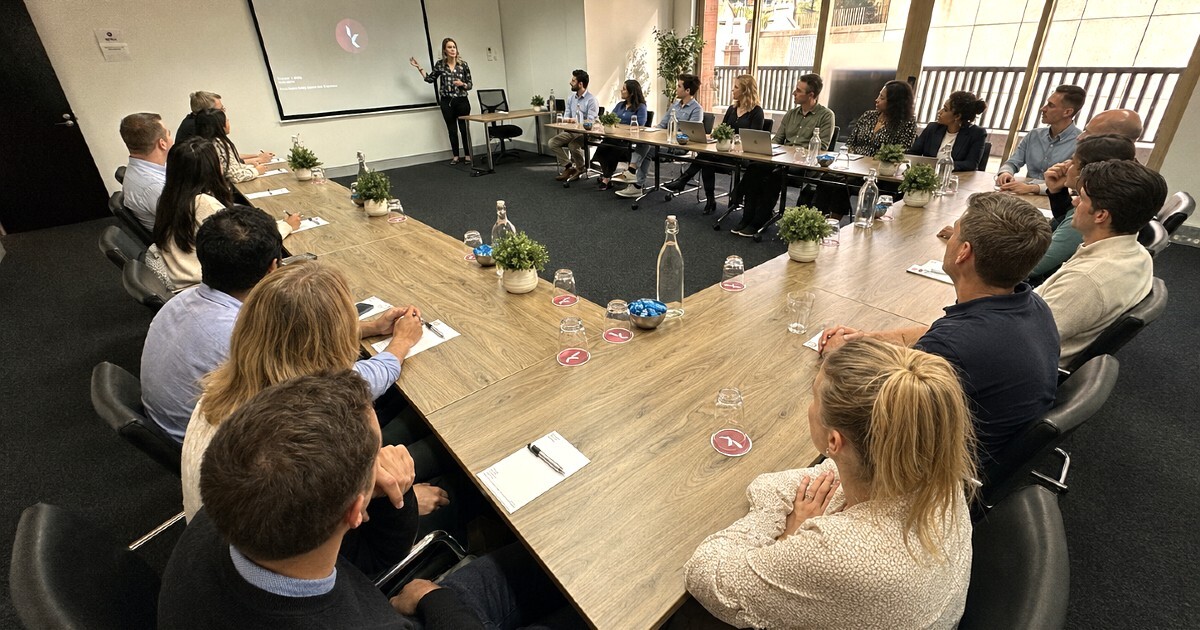
Room configuration directly influences learning outcomes, engagement levels and attendee satisfaction. Before booking a conference venue, ask whether the space supports your required setup style: theatre, classroom, U-shape, boardroom, cabaret or workshop configuration. Each layout serves different purposes and not all rooms accommodate all arrangements.
Confirm room dimensions and capacity limits for your preferred layout. A room advertised as accommodating 60 delegates in theatre style may only fit 30 in classroom configuration with tables. Ask the venue to confirm capacity for your specific setup, including space for presenter areas, equipment and delegate movement. Request floor plans showing exact dimensions, pillar locations and door placements that might restrict configurations.
Ask about room flexibility during events. Can room layouts be reconfigured during lunch breaks for afternoon workshops? Are additional breakout rooms available for small group activities? Purpose-built conference venues typically offer flexible spaces that adapt to changing program needs, including gallery-style breakout areas that support networking and collaboration between formal sessions.
Delegate comfort becomes critical for full-day conferences, training programs and multi-day events. Ask about seating quality. Are chairs ergonomic with proper lumbar support and padding, or are they basic stacking chairs designed for short meetings? Uncomfortable seating causes distraction, reduces concentration and creates negative associations with both the event and the organiser. Confirm whether tables provide adequate workspace for laptops, notebooks and materials.
Natural light significantly improves delegate energy, mood and engagement compared to windowless rooms reliant on artificial lighting. Ask whether rooms feature windows with natural daylight. Venues with floor-to-ceiling windows overlooking harbour views or city landscapes create more positive environments than basement or internal rooms. However, confirm whether window treatments control glare that might affect screen visibility.
Ask about climate control and whether temperature can be adjusted independently for your room. Conference rooms filled with delegates generate heat, and inadequate cooling creates discomfort that undermines even excellent content. Confirm whether your room has dedicated climate controls or whether temperature is managed centrally across multiple floors.
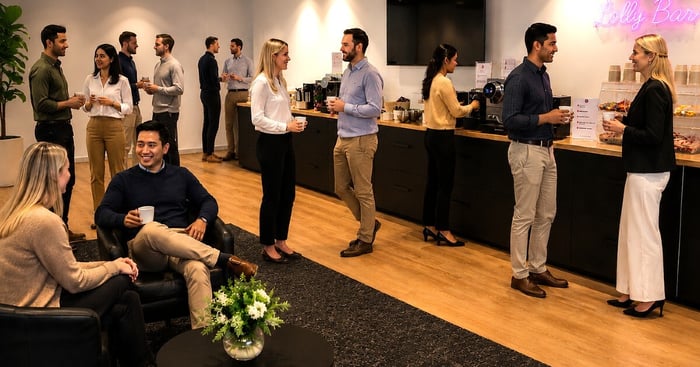
For multi-day conferences, ask about amenities that support attendee comfort beyond the main conference room. Are there comfortable breakout areas where delegates can take calls, work between sessions or have informal conversations? Are refreshment stations accessible without disrupting the main room? Purpose-built conference centres typically provide spacious communal areas specifically designed for these purposes, unlike hotel meeting rooms where delegates retreat to corridors or lobbies.
Catering, Refreshments and Full-Day Event Support
Catering quality and service directly influence attendee satisfaction and event perception. Before booking a conference venue, ask detailed questions about food service, menu options, dietary accommodation and refreshment availability. Generic catering commitments often mask significant differences in quality and service standards.
Ask whether the venue provides in-house catering or uses external suppliers. In-house catering typically delivers better coordination, more reliable timing and higher quality compared to external contractors working in unfamiliar spaces. Confirm whether catering is included in day delegate packages or priced separately. All-inclusive packages provide cost predictability, while itemised catering introduces variables that complicate budget management.
Request sample menus showing actual meal options rather than vague descriptions. Ask whether menus feature fresh, healthy options alongside traditional conference fare. High-quality catering includes fresh seasonal produce, varied protein options, substantial vegetarian and vegan selections and balanced meals that sustain energy throughout the day. Ask whether menus can be customised to suit specific dietary requirements including allergies, intolerances, cultural preferences and religious observances.
Confirm refreshment availability throughout your event. Ask whether morning tea, afternoon tea and continuous refreshments are included or attract additional charges. Continuous access to quality coffee, tea selections and water keeps delegates comfortable and focused. Ask specifically whether coffee is barista-prepared, pod-based (such as Nespresso) or instant. The difference significantly affects attendee satisfaction.
Ask about catering service timing and flexibility. Can meal times be adjusted to suit your program schedule? Is the catering team experienced in coordinating with conference timing to avoid disrupting presentations? Confirm whether service happens in the main room or in separate dining areas. Serving meals outside the main conference room creates natural breaks and allows delegates to move, network and reset attention.
For full-day events, ask whether the venue includes amenities beyond meals. Are there lolly bars, fresh fruit stations or healthy snacks available between scheduled breaks? Small touches that keep delegates comfortable throughout extended programs differentiate premium venues from basic meeting spaces.
Confirm minimum numbers, final number adjustment policies and associated costs. Can you adjust final delegate numbers one week before your event or does the venue require confirmation further in advance? Flexible adjustment policies reduce financial risk when attendance fluctuates. Ask whether there are minimum spend requirements or whether catering packages have minimum attendee thresholds that might affect smaller events.
Booking Terms, Pricing Transparency and Venue Support
Booking terms, cancellation policies and pricing transparency determine both financial risk and administrative burden. Before signing a venue agreement, ask specific questions about deposit requirements, payment terms, cancellation conditions and what is included in quoted prices. Unclear terms create potential for disputes and unexpected costs.
Ask what deposit is required to confirm your booking and when final payment is due. Some venues require substantial deposits months in advance, creating cash flow implications. Others offer no-deposit booking for events under certain price thresholds, reducing financial commitment during early planning stages. Confirm whether deposits are refundable if circumstances change or what cancellation charges apply at different notice periods.
Request complete pricing transparency. Ask whether quoted prices include all services or whether additional charges apply for AV equipment, technical support, room setup changes, Wi-Fi access, parking validation or weekend bookings. Purpose-built conference venues typically offer all-inclusive packages where day delegate rates include room hire, AV equipment, technical support, catering and refreshments. Hotels and alternative venues often price each element separately, making true cost comparison difficult.
Confirm whether prices include GST or whether tax is added to quoted rates. Ask about payment methods accepted and whether payment terms are negotiable for regular clients or multi-event bookings. For organisations managing events across multiple locations, ask whether volume arrangements or preferred client agreements offer pricing benefits or priority access during peak periods.
Ask about flexibility in final attendee numbers. Can you adjust confirmed numbers one week before your event, three days before or only at specific notice periods? What charges apply if final numbers are lower than initially booked? Flexible adjustment policies reduce financial exposure when attendance fluctuates due to last-minute cancellations or unexpected additions.
Confirm what dedicated support is provided throughout the booking and event lifecycle. Ask whether you will have a single account manager coordinating all aspects of your event or whether you will interact with multiple staff across different departments. A dedicated account manager who understands your requirements, preferences and organisation reduces coordination burden and ensures consistent service. This support model differentiates venues that provide partnership-level service from those offering transactional room rental.
For organisations running events in multiple cities, ask whether the venue provider operates across your required locations and whether a single national contact can manage bookings in Melbourne, Sydney, Brisbane, Perth and Adelaide. Multi-city coordination through one contact simplifies logistics, maintains service consistency and reduces administrative overhead compared to managing separate venue relationships in each city.
Ask about site inspection opportunities before confirming your booking. Can you visit the actual room you will use, test technology and meet the support team? Physical inspections reveal details that photos and descriptions cannot communicate, including room atmosphere, actual size relative to your requirements, ambient noise levels and venue presentation standards.
Finally, ask about the venue's experience supporting events similar to yours.
What types of clients do they regularly serve?
Do they specialise in corporate training, legal mediations, professional association conferences or business meetings?
Purpose-built conference venues demonstrate understanding of what organisers, presenters and delegates each need to succeed throughout the complete event lifecycle from enquiry through delivery. This specialist expertise, combined with transparent pricing, flexible terms and dedicated support, determines whether your conference venue becomes a trusted partner or simply a hired space.
Compare conference venue pricing and booking options