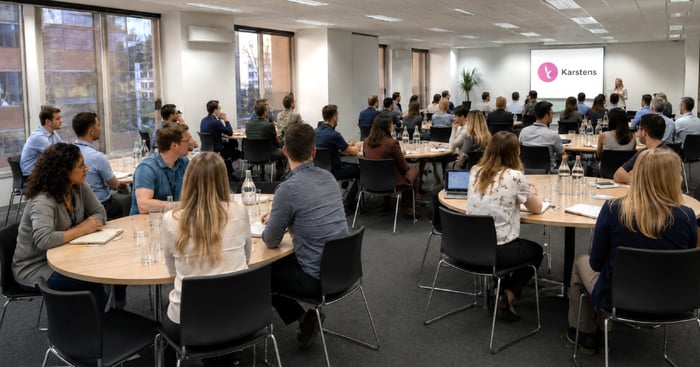

Why Catering Is An Integral Part Of A Conference Or Meeting
Conference catering is more than food service. It affects delegate energy, concentration, networking, satisfaction and the overall impression of a business event. Whether you are planning a conference, training session, workshop, seminar or hybrid event, the catering experience can influence how people feel, participate and remember the day.
Good catering helps delegates stay focused, supports agenda flow and creates opportunities for informal conversation. Poor catering can cause delays, frustration and reduced engagement. That is why conference catering should be considered early in the planning process, not added as a final detail.
Why Conference Catering Matters
Conference catering plays a key role in the delegate experience. A well-planned menu, reliable service and good refreshment timing can help an event feel polished, professional and easy to attend.
Catering Affects Energy and Focus
Full-day business events require sustained attention. Morning tea, lunch, afternoon tea, water, coffee and tea help delegates maintain energy across the program. Heavy meals, poor timing or limited refreshments can reduce concentration and make afternoon sessions harder to manage.
For training programs and workshops, catering also gives participants a chance to pause, reset and return ready to engage.
Catering Shapes the Event Impression
Delegates often judge an event by the details. Fresh food, professional presentation and efficient service show that the organiser has considered the full attendee experience.
Good catering can support a positive impression of the host organisation, the venue and the overall event.
Plan Catering Around the Agenda
Conference catering should be planned around the event agenda. Breaks should support the program, not interrupt it.
Morning Tea, Lunch and Afternoon Tea
Morning tea helps delegates settle in after registration and gives them a short reset before the main content begins. Lunch provides a longer networking opportunity and should be timed carefully so sessions do not feel rushed. Afternoon tea helps maintain energy and attention for the final part of the day.
For full-day conferences, continuous coffee, tea and water are important because delegates expect refreshments to be available beyond scheduled breaks.
Avoid Disrupting the Program
Catering timing should align with speaker sessions, breakout activities, workshops and registration. If food service is slow or poorly located, sessions can start late and the agenda can fall behind.
Work with the venue team to confirm break times, catering locations and service flow before event day.
Match Catering to the Event Type
Different business events need different catering styles. The right catering approach depends on the audience, event format, timing and level of formality.
Conferences and Seminars
Conferences and seminars often involve larger groups and structured agendas. Catering should be efficient, easy to access and suitable for networking. Food should be fresh, practical and easy to manage during breaks.
Training Programs and Workshops
Training sessions need catering that supports learning. Lighter, balanced options usually work well because delegates need to stay alert. Reliable coffee, tea and water service is especially important for full-day training.
Board Meetings and Executive Events
Executive events often require a more polished catering presentation. Timing, privacy and quality are important. Catering should feel professional and should not interrupt discussion or decision-making.
Hybrid Events
Even when some participants attend remotely, in-room catering still matters. The physical audience still needs refreshments, breaks and networking time. Organisers should also consider how catering breaks align with remote participation and online session timing.
Manage Dietary Requirements Professionally
Dietary management is essential for inclusive and professional business events. Delegates should feel confident that their requirements have been understood and managed properly.
Common Dietary Requirements
Common requirements include vegetarian, vegan, gluten-free, dairy-free, halal, kosher and allergy-specific meals. Organisers should collect this information early and share it clearly with the venue.
Collect Dietary Information Early
Dietary requirements should be requested during registration and confirmed before final numbers are provided to the venue. Last-minute changes can be difficult, so clear communication is important.
Present Dietary Meals Clearly
Dietary meals should be labelled clearly and served in a way that avoids confusion. Where appropriate, separate plated meals or clear identifiers help delegates find the right option without needing to ask repeatedly.
Choose Quality Over Quantity
Delegates do not need excessive catering, but they do expect quality, freshness and variety. A smaller selection of well-prepared food is usually better than a large amount of ordinary food.
Fresh and Balanced Menu Options
Choose menus with variety, healthy options and food that suits the event timing. Avoid overly heavy meals that may reduce energy in afternoon sessions.
Balanced catering supports concentration, comfort and delegate satisfaction.
Coffee, Tea and Refreshments
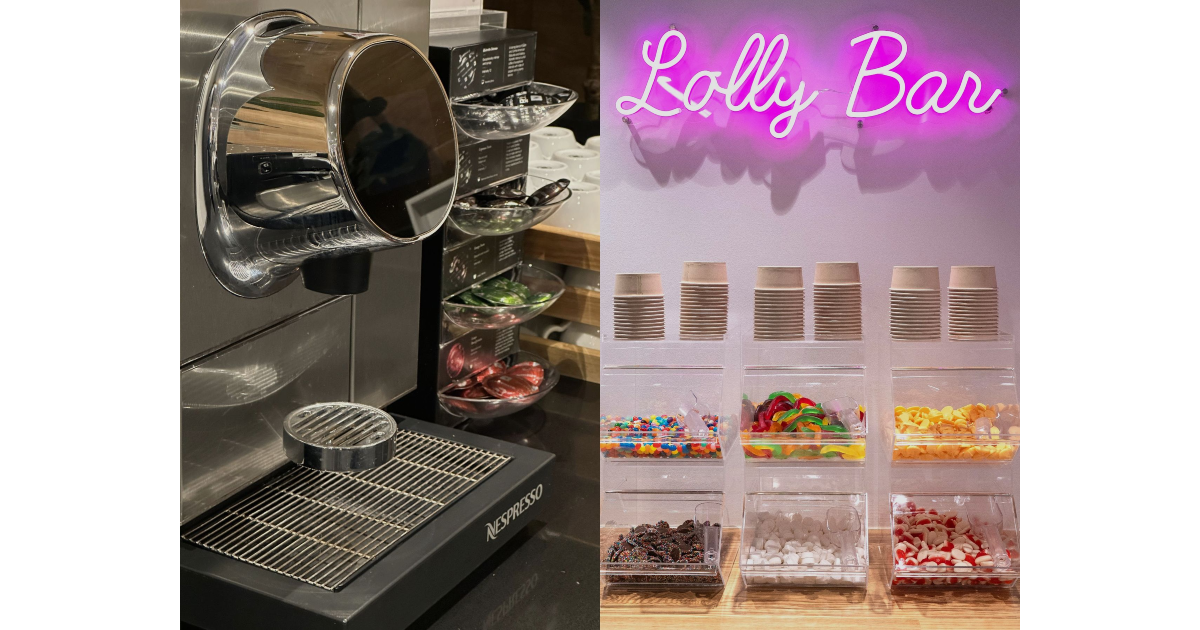
Coffee, tea and water are core parts of the conference experience. Continuous refreshments like karstens lolly bars help delegates stay comfortable throughout the day, especially during training sessions, workshops and long conferences.
Consider Catering Flow and Breakout Spaces
The way catering is served affects movement, networking and timing. A good venue layout helps delegates move easily from the conference room to refreshments and back again.
Breakout Areas Support Networking
Breakout areas give delegates space to eat, talk, make calls and recharge between sessions. They also encourage informal discussion, which can be one of the most valuable parts of a business event.
Avoid Queues and Congestion
Catering stations should be positioned to reduce bottlenecks. If delegates are forced into narrow corridors or crowded foyers, breaks can become stressful and slow. Purpose-built venues with dedicated breakout spaces help catering service feel smoother.
Understand Catering Inclusions and Pricing
Catering can be included in a day delegate package or charged separately. Organisers should understand exactly what is included before confirming a venue.
What Should Be Included?
A conference catering package may include morning tea, lunch, afternoon tea, coffee, tea, water, dietary management and service. Some packages also include continuous refreshments throughout the day.
Ask whether catering is prepared in-house, how menus are selected and whether changes can be made to suit your audience.
Watch for Extra Catering Costs
Ask about upgrades, additional breaks, barista coffee, extended service times, minimum spends, late changes and service fees. Transparent pricing helps avoid budget surprises and makes internal approvals easier.
Work With the Venue Team
The venue team plays a major role in catering success. Good onsite coordination helps ensure breaks are ready on time, dietary meals are managed and the agenda stays on track.
Confirm Final Numbers and Timings
Confirm delegate numbers, dietary requirements and catering times before the venue’s deadline. This helps the venue prepare the right quantities and manage service properly.
Coordinate Catering With Room Setup and AV
Catering does not happen in isolation. It needs to work with registration, room setup, speaker timing, breakout activities and AV requirements. A venue team that understands business events can help coordinate these moving parts.
Conference Catering Checklist
Use this checklist when planning conference catering:
- Confirm event type and delegate numbers
- Plan morning tea, lunch and afternoon tea
- Provide continuous coffee, tea and water where possible
- Collect dietary requirements early
- Confirm allergy management processes
- Review sample menus
- Check catering timing against the agenda
- Confirm catering location and breakout space
- Ask what is included in the package
- Check additional catering costs
- Confirm final number deadlines
- Brief the venue team on timing and service flow
How Karstens Supports Conference Catering
Karstens provides purpose-built conference and training venues in Melbourne, Sydney, Brisbane, Perth and Adelaide. Each venue is designed to support professional business events, with flexible rooms, breakout spaces, onsite support and catering coordination.
Karstens conference catering supports full-day programs, training sessions, workshops, seminars and corporate events with practical menu options. For continuous refreshments, Karstens offers continuous Nespresso coffee, teas and lolly bars in their break out spaces. Karstens also offers healthy menu options and hot buffet options, so organisers can mix and match menu items througout the day.
For organisers, this means fewer moving parts and a smoother delegate experience. The venue, catering, AV and onsite support are coordinated together, helping the event run more efficiently.
Conclusion
Conference catering is a key part of event success. It supports energy, timing, networking, delegate satisfaction and the overall impression of the day.
The best catering is fresh, well-timed, inclusive and easy for delegates to access. By planning catering around the agenda, confirming dietary needs early and choosing a venue with strong onsite support, organisers can create a more professional and enjoyable business event.
Contact Karstens to discuss conference and training venue options across Melbourne, Sydney, Brisbane, Perth and Adelaide.
Frequently Asked Questions
What is conference catering?
Conference catering is the food and beverage service provided during a business event. It can include morning tea, lunch, afternoon tea, coffee, tea, water and dietary meals.
What should conference catering include?
Conference catering should include fresh food, reliable refreshments, dietary options, clear service timing and enough variety to suit the audience and event format.
Why is catering important for business events?
Catering supports delegate energy, concentration, networking and satisfaction. It also affects how professional and organised the event feels.
How do I plan catering for a full-day conference?
Plan catering around the agenda. Include morning tea, lunch, afternoon tea, continuous refreshments and enough time for delegates to eat, network and return to sessions comfortably.
How should dietary requirements be managed?
Dietary requirements should be collected during registration, confirmed before the event and communicated clearly to the venue. Meals should be labelled or served in a way that avoids confusion.
How can catering improve delegate engagement?
Well-timed catering helps delegates stay energised and gives them opportunities to network, reflect and reset between sessions.
What catering questions should I ask a venue?
Ask what is included, how dietaries are managed, when final numbers are due, whether menus can be adjusted, how refreshments are served and what extra costs may apply.
To assist you with planning click hyperlink The Complete Guide to conference planning