

Catering Considerations for Corporate Conferences and Events
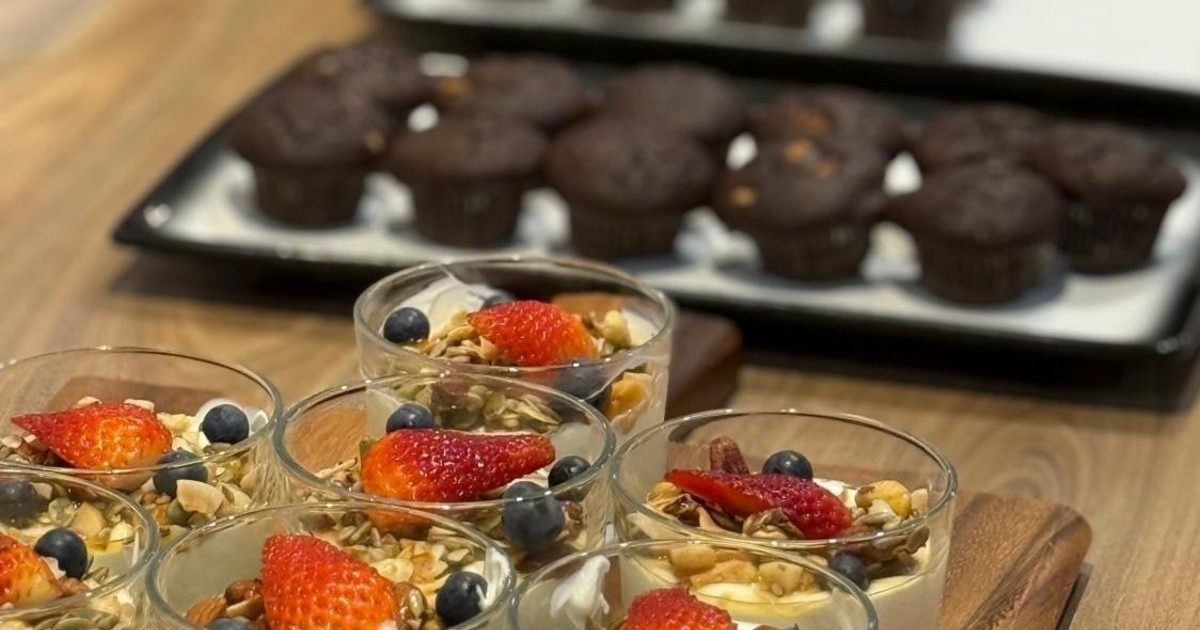
Corporate event catering does more than fill a break in the agenda. It affects energy, concentration, networking, timing and the overall impression delegates take away. A well-planned menu helps a training day stay focused, gives participants a genuine pause between sessions and shows that dietary needs have been considered with care.
The practical question is not simply, “What food should we order?” It is, “What catering format will best support this event?” Whether you are arranging a board meeting, workshop, multi-day training program or national conference, the right answer depends on your attendees, schedule and objectives.
Why Catering Matters at a Corporate Event
Catering influences the rhythm of an event. Heavy food can work against an intensive afternoon session, while a break that is too short for the chosen service format can push the whole program behind schedule. Conversely, well-timed refreshments can reset attention, encourage informal conversation and help people return to the room ready to participate.
For organisers, catering is also one of the most visible parts of the delegate experience. Clear labelling, thoughtful variety and smooth service communicate professionalism. The strongest approach treats catering, room layout, audiovisual requirements and the run sheet as connected parts of one event plan.
What Should You Consider When Planning Event Catering?
Number of Attendees
Confirm an expected number early, then agree on the date for final numbers. A small leadership meeting may suit individual items or a working lunch, while a larger group may benefit from a buffet-style service that supports efficient movement. Ask whether minimum numbers apply to particular buffet, canapé or beverage options.
Event Length and Schedule
A short meeting may need only tea, coffee and a light snack. A full-day conference normally requires morning tea, lunch and afternoon tea, while an early start may call for breakfast. For multi-day programs, plan variety across days so the experience stays fresh without becoming complicated.
Break Times and Event Flow
Build realistic breaks into the run sheet. Consider how long delegates need to leave the room, collect food, eat, refresh and return. If the agenda is tight, a working conference format can be easier to manage. If networking is a priority, a longer buffet break or post-conference refreshments can create a more natural opportunity to connect.
Attendee Profile
Match the menu to the people and the purpose. A practical workshop may call for easy-to-handle food, while a client function may benefit from canapés and drinks. For training groups, choose food that is satisfying without making the afternoon session feel heavy. Always provide a straightforward way to collect dietary requirements before the event.
Budget and Priorities
Decide where catering creates the most value. If the event starts early, breakfast may be important. If delegates are travelling, a substantial lunch may be the priority. If the main goal is relationship building, allow time and space for shared food after the formal program. Ask the venue to tailor the mix around the outcome you want, rather than treating every event the same.
Choosing the Right Catering Format
Karstens offers different catering styles that can be matched to the event. Menus may rotate through chef-selected items, so organisers should confirm current choices, availability and any applicable minimum numbers with the venue team.
Working Conference Catering
A working conference format is well suited to meetings, workshops and training days where convenience and timing matter. Morning and afternoon tea can include a chef’s selection of sweet and savoury items such as Danishes, ham and cheese croissants, mini pizzas, banana cake, mini quiches, chocolate croissants, Vegemite scrolls, mini frittatas, muffins, carrot cake, lamington bites, savoury tarts, cupcakes, caramel slice or brownies.
Lunch may include mini brioches, baguettes, wraps, Turkish bread, sushi, mini pies and sausage rolls. A more substantial lunch can be discussed when the day, delegate profile or travel schedule calls for it.
Healthy Conference Catering
For wellness-focused programs or agendas that demand sustained concentration, a healthy conference selection can provide lighter variety. Morning and afternoon choices may include Bircher muesli, fruit skewers, flourless quinoa and almond slice, muesli slice, yoghurt with fruit, wholemeal or savoury mini muffins, oat, coconut and almond slices, dips with cucumber and carrot, lower-fat or gluten-free biscuits, friands, macaron slices, apple crumble or apricot and muesli slices.
Lunch options may include meat and vegetarian salads, sushi, and multigrain or light rye rolls and baguettes. As with the working conference format, a more substantial healthy lunch can be arranged where appropriate.
Buffet Conference Catering
Buffet catering can suit larger groups, longer lunch breaks and events where a shared meal supports networking. Morning tea may feature pastries, croissants, scones or muffins. A typical lunch format combines a hot meat dish, a hot vegetarian dish and a non-meat salad.
Rotating examples may include slow-braised beef, roast lamb, stir-fried chicken, pasta primavera, Cajun fish, tandoori chicken, Asian vegetable noodles or vegetarian lasagne. Salads may range from seasonal garden or Mediterranean vegetable combinations to couscous and chickpea, chicken, beef, or apple, celery and walnut. Afternoon tea can finish the day with a selection of cakes or sweets.
Breakfast Catering
For early meetings, breakfast briefings and interstate delegates, breakfast catering can help the program begin smoothly. Options may include Danishes, sweet or savoury muffins, mini croissants, warm egg and bacon mini quiches, sliced fruit, Nespresso coffee, tea and juice. Additional hot breakfast items can be discussed with the team.
Catering Add-Ons and Snacks
Add-ons can help bridge a long program or provide extra choice. Available examples include a fresh fruit platter, cheese platter, combined fruit and cheese platter, mini ice creams or yoghurt. Select these because they support the agenda—not simply to add more food.
Post-Conference Drinks and Nibbles
When networking continues after the formal session, post-conference catering can include standard beverages, beer, wine, sparkling wine, soft drinks and juice. Food options may include hot or cold cocktail items, canapés, party pies, sausage rolls, vegetarian quiche, sushi, dips and crackers, crudités, or cheese and crackers. Confirm service times, current selections and any minimum numbers in advance.
Multi-Day Event Catering
For a program running over several days, vary the menu while keeping the service pattern familiar. For example, use a working lunch on an agenda-heavy day, a healthy selection for an intensive learning day and a buffet where more networking time is available. Karstens can discuss a mix-and-match approach, such as healthy morning and afternoon tea with a buffet lunch, subject to the event’s requirements and current availability.
How Should Dietary Requirements Be Managed?
Collect dietary information during registration and set a clear deadline for updates. Ask participants to describe the requirement accurately rather than relying on vague preferences. Provide the final list to the venue at least 3 days before the evnt date in the agreed format and identify any late changes as soon as possible.
Karstens can plate dietary meals separately and label them with the participant’s name, helping the organiser and attendee identify the intended meal. However, people with allergies should be told that, while reasonable efforts are made to identify ingredients, food is prepared in an environment where cross-contact may occur. An allergen-free environment cannot be guaranteed. Discuss serious allergies directly with the venue team before confirming arrangements.
How Karstens Tailors Catering to Each Event
Karstens does not approach catering as a fixed item detached from the event. The team can work with organisers to match the catering format to the number of attendees, timing, room program, dietary requirements and desired experience. Continuous tea, Nespresso coffee and a lolly bar support delegates throughout the day, while lunch service includes orange and apple juice. Menu examples rotate, allowing the chefs to provide variety across different events and days.
That tailored approach is available across Karstens’ CBD conference and training venues in Melbourne, Sydney, Brisbane, Perth and Adelaide. Exact menus and service details may vary by venue, event date and requirements, so the best step is to discuss the whole run sheet with the team.
Questions to Ask Your Conference Venue About Catering
- Which catering format best fits our attendee numbers and agenda?
- How much break time should we allow for the selected service style?
- When are final numbers and dietary requirements due?
- How are dietary meals identified and served?
- Can we combine elements from different conference catering formats?
- Do minimum numbers apply to buffet, canapé or beverage options?
- How will catering work with our room layout and breakout areas?
- Can the menu be varied across a multi-day program?
Corporate Event Catering Checklist
- Confirm the event date, venue, session times and expected attendee numbers.
- Choose a catering style that supports the purpose and pace of the day.
- Allow realistic morning tea, lunch and afternoon tea breaks in the run sheet.
- Collect dietary requirements through registration and set a cut-off date.
- Share final numbers and dietaries with the venue in the agreed format.
- Confirm the current menu, beverage inclusions, service location and minimum numbers.
- For multi-day events, plan menu variety across the program.
- Brief presenters and event staff on break times so the schedule stays on track.
Frequently Asked Questions
What catering is normally provided for a corporate conference?
A full-day conference commonly includes morning tea, lunch and afternoon tea, with tea and coffee available through the day. The exact format should reflect the agenda, attendee numbers and dietary needs.
How much catering should I allow for a full-day event?
Plan enough food for each scheduled break, but focus on balance and timing rather than volume alone. Give the venue accurate numbers and ask whether the selected format is substantial enough for the length and intensity of the day.
How far ahead should dietary requirements be supplied?
Collect requirements during registration and provide them by the venue’s agreed deadline. Ask the venue what lead time applies to your event and communicate late changes immediately.
Can corporate event catering be tailored?
Yes. Karstens can discuss different formats, add-ons and mix-and-match arrangements to align catering with the event schedule and attendee needs, subject to current availability and venue requirements.
What catering works best for a training day?
A working or healthy conference format often suits training because it supports predictable breaks and sustained concentration. The best choice depends on start time, session intensity, group size and whether delegates will network over lunch.
Can menus be varied for a multi-day conference?
Yes. Varying the style or selections helps keep a multi-day program interesting. Discuss the full schedule with the venue so each day feels considered while service remains consistent.
Is catering served inside or outside the meeting room?
Service arrangements depend on the venue, room and event format. Karstens commonly uses breakout spaces so delegates can reset between sessions; confirm the precise setup for your booking.
Plan Your Event Catering with Karstens
The best catering plan begins with the event outcome. Share your attendee numbers, timings, dietary requirements and priorities with Karstens, and the team can help shape an option that supports the day from arrival to the final session.
More information about venue choice