
Conference Planning Trends in Australia: What Organisers Need to Know
Conference planning trends in Australia are changing quickly. Delegates now expect more than a room, a speaker and a catering break. They want flexible spaces, reliable technology, strong Wi-Fi, better food options, hybrid access, meaningful networking, comfort, accessibility and a smoother overall experience.
For corporate event organisers, executive assistants, training managers, government departments, associations and professional services firms, these trends affect how venues are selected and how events are planned.
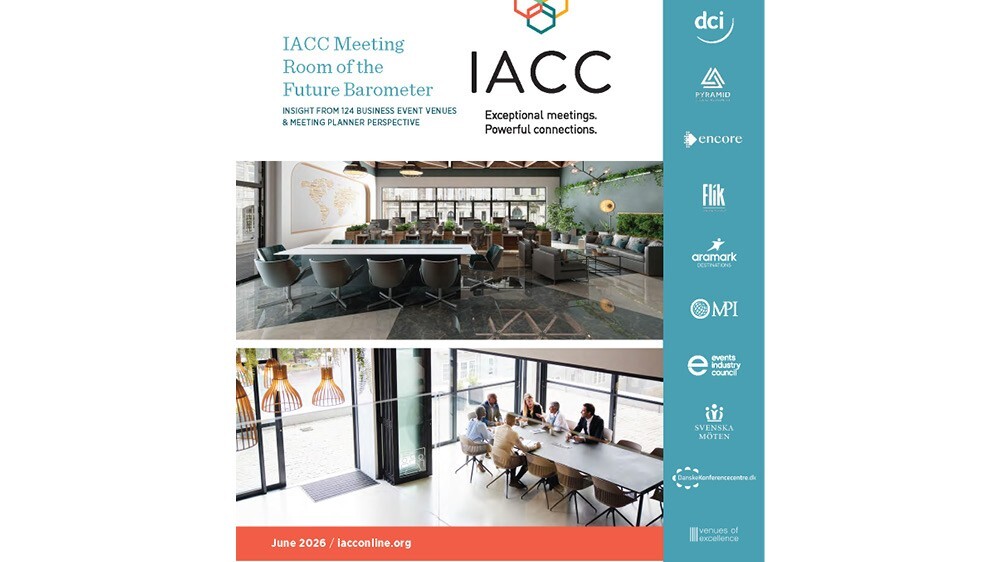
The IACC Meeting Room of the Future Barometer 2026 highlights several global trends that are highly relevant to Australian business events. The report draws on meeting planner, venue operator, IACC member and industry expert perspectives, including responses from 124 venue operators across North America, Europe and Asia Pacific.
Download 2026 IACC Meeting Room of the Future Report
What Are the Biggest Conference Planning Trends in Australia?
The biggest conference planning trends in Australia include flexible room layouts, better technology, stronger Wi-Fi, more personalised catering, shorter and more interactive sessions, delegate wellbeing, hybrid participation, sustainability and greater focus on event ROI.
Organisers are also placing more importance on purpose-built venues that can support presentations, workshops, catering, breakout activities and networking without creating extra complexity.
Why Conference Planning Is Changing
Conference planning is changing because business audiences have changed. Hybrid work has reshaped expectations, delegates are more selective about attending in person, younger attendees often prefer shorter and more interactive formats, and organisations are under pressure to show value from every event.
Tighter budgets also mean organisers need venues that reduce risk, support professional delivery and help create better delegate outcomes.
What Australian Organisers Should Focus On
Australian conference organisers should focus on venue location, agenda design, room comfort, AV, Wi-Fi, catering, accessibility, hybrid options, breakout spaces and onsite support.
These practical details influence attendance, engagement, satisfaction and event success.
Trend 1: Delegate Experience Is Now a Priority
Conferences are no longer judged only by the quality of the content. Delegates also notice how easy the venue is to access, how comfortable the room feels, whether catering is well timed, how smoothly registration runs and whether they have opportunities to connect with others.
Experience Creation in Business Events
The IACC report identifies experience creation as a major trend in conference planning. It notes that more than two-thirds of responding venues strongly agreed they are responsible for helping create successful conference experiences.
For organisers, this means the venue should support more than basic logistics. It should help create an environment where delegates feel welcomed, focused and engaged.
Practical Examples for Organisers
Experience does not need to be expensive. Simple improvements can include better arrival coffee, clear signage, comfortable seating, informal breakout areas, varied session formats, networking time and well-planned catering breaks.
Trend 2: Flexible Room Layouts Are Essential
Flexible room design is one of the most important conference planning trends in Australia. Events often need to move between presentations, workshops, panel discussions, breakout groups and networking.
Why Flexibility Matters
The IACC report notes that adaptability remains essential, with venues increasingly using versatile furniture solutions that allow rapid reconfiguration for day-of client requests.
For organisers, this means choosing a venue that can adjust the room to suit the event purpose, not forcing the agenda to fit a fixed room.
Layouts Organisers Should Consider
Theatre style suits presentations. Classroom style works well for training and note-taking. Cabaret supports discussion and group work. Boardroom suits executive meetings. U-shape encourages interaction. Workshop layouts can support collaboration and practical learning.
Trend 3: Shorter Attention Spans Need Better Agenda Design
Long, passive conference sessions are becoming less effective. Delegates are more likely to stay engaged when sessions are shorter, varied and interactive.
More Interactive Sessions
Conference agendas should include Q&A, live polling, small-group discussion, roundtables, workshops, peer learning and reflection time.
Interaction helps delegates process content and makes the event feel more valuable.
Better Break Planning
The IACC report notes that venues are responding to younger-generation behaviours by providing frequent breaks and spaces suited to shorter attention spans.
For Australian organisers, this reinforces the value of regular breaks, clear agenda timing and breakout spaces where delegates can reset.
Trend 4: Technology and Wi-Fi Are Mission Critical
Technology is no longer an optional extra. It is central to conference delivery.
Essential Conference Technology
Modern conferences may require screens, microphones, speakers, presenter connections, video playback, live polling, hybrid equipment, reliable Wi-Fi and onsite technical support.
For larger events, panels and hybrid meetings, microphone quality is especially important.
Why Wi-Fi Matters
The IACC report highlights that internet access and sufficient bandwidth are among the most important technology elements for competitive meeting venues.
Delegates may need Wi-Fi for digital materials, online platforms, live polling, collaboration tools and hybrid participation.
Hybrid-Ready Venues
Hybrid meetings remain important for interstate teams, remote speakers and stakeholders who cannot attend in person.
Organisers should confirm Zoom or Microsoft Teams setup, cameras, room microphones, remote Q&A, chat moderation and technical testing before the event.
Trend 5: Meeting Room Design Affects Delegate Performance
Meeting room design influences concentration, comfort, learning and engagement.
Natural Light, Acoustics and Lighting
The IACC report highlights the importance of acoustics, lighting and natural light in meeting rooms.
For full-day and multi-day conferences, these elements can directly affect delegate energy and satisfaction.
Comfort and Ergonomics
Organisers should consider ergonomic chairs, table space, temperature, sound quality, room flow and clear sightlines.
A comfortable room helps delegates focus on content rather than distractions.
Trend 6: Catering Is Becoming More Personalised
Catering is now part of the delegate experience, not simply a break between sessions.
Dietary Requirements Are Increasing
The IACC report found that 89% of respondents reported increased requests for dietary preferences, while 57% noted reduced alcohol consumption among attendees.
This reflects a broader shift towards personalised, inclusive and health-conscious catering.
What Organisers Should Do
Collect dietary requirements early, confirm final numbers, plan balanced menus, avoid repetition for multi-day events and ensure food is clearly labelled.
Catering should also be timed carefully so it supports the agenda rather than disrupting it.
Trend 7: Networking and Breakout Spaces Matter More
Many valuable event outcomes happen outside the main session room. Delegates build relationships, discuss ideas and follow up on content during breaks.
Informal Gathering Spaces
Breakout spaces support networking, private calls, sponsor conversations, small-group activities and delegate reset time.
For multi-day events, these spaces are especially important.
Purpose-Built Spaces
The IACC report notes the importance of networking spaces outside the meeting room and dedicated refreshment break areas.
A venue with well-planned breakout areas can improve event flow and delegate satisfaction.
Trend 8: Sustainability and Wellbeing Are Growing Expectations
Sustainability and wellbeing are increasingly part of conference planning. Delegates and organisations are paying closer attention to waste, travel, comfort and overall wellbeing.
Sustainable Event Choices
Practical sustainability steps include choosing CBD venues close to public transport, reducing printed materials, using digital agendas, planning catering quantities carefully and avoiding unnecessary waste.
Wellbeing-Focused Planning
Wellbeing-focused planning includes natural light where available, comfortable seating, healthy breaks, quiet spaces, good room temperature and realistic agenda timing.
These choices support delegate comfort and help maintain attention.
Trend 9: Conference ROI and Feedback Are More Important
Organisers are increasingly expected to prove the value of business events.
How to Measure Event Success
Conference success can be measured through attendance, delegate feedback, engagement, leads generated, training completion, stakeholder satisfaction, repeat bookings, ROI and post-event actions.
Why Feedback Matters
The IACC report found that nearly 90% of venues prompt clients for feedback and two-thirds use returning clients to measure meeting effectiveness.
For organisers, post-event feedback helps improve future planning and justify event investment.
Trend 10: Purpose-Built Venues Are Better Suited to Modern Conferences
Purpose-built conference venues are designed around business events, training, presentations, catering flow and delegate comfort.
Advantages of Purpose-Built Venues
Purpose-built venues can offer flexible layouts, built-in AV, Wi-Fi, breakout areas, catering coordination, ergonomic seating and onsite support.
This helps organisers reduce risk and manage events more efficiently.
Why This Matters for Planners
A suitable venue reduces organiser workload. It also supports presenters, delegates and stakeholders by making the event easier to attend, easier to manage and easier to measure.
Conference Planning Trends Checklist
Use this checklist when planning your next conference:
- define conference objectives
- choose a convenient CBD venue
- prioritise flexible room layouts
- confirm AV and Wi-Fi
- plan hybrid participation
- design shorter session blocks
- include interactive activities
- schedule regular breaks
- collect dietary requirements early
- plan healthier catering options
- include breakout spaces
- consider accessibility
- reduce printing and waste
- support delegate wellbeing
- collect post-event feedback
- measure conference ROI
How Karstens Supports Modern Conference Planning Trends
Karstens provides purpose-built conference and training venues in Melbourne, Sydney, Brisbane, Perth and Adelaide.
Karstens supports modern conference planning trends with CBD locations, flexible room layouts, ergonomic seating, natural light where available, built-in AV, reliable Wi-Fi, hybrid meeting capability, quality catering, dietary management, breakout spaces, onsite support, professional event coordination and consistent service across multiple cities.
For organisers planning training programs, corporate conferences, board meetings, government briefings, association events or multi-city programs, Karstens helps support the practical details that influence delegate experience and event outcomes.
Conclusion
Conference planning trends in Australia are moving towards more flexible, technology-enabled, delegate-focused and measurable events.
Organisers need to think beyond the agenda and consider the complete event experience: location, room layout, Wi-Fi, AV, catering, breakout spaces, accessibility, sustainability, comfort and onsite support.
By choosing a purpose-built venue and planning around current delegate expectations, organisers can deliver more professional, engaging and effective business events.
Contact Karstens to discuss venue options, room setup, catering, AV and support for your next conference.
Frequently Asked Questions
What Are the Top Conference Planning Trends in Australia?
The top conference planning trends in Australia include flexible room layouts, hybrid technology, stronger Wi-Fi, personalised catering, shorter sessions, breakout spaces, delegate wellbeing, sustainability and better ROI measurement.
How Are Conference Venues Changing?
Conference venues are becoming more flexible, technology-enabled and delegate-focused. Organisers are looking for venues that support presentations, workshops, hybrid meetings, networking and catering flow.
Why Are Flexible Room Layouts Important?
Flexible room layouts allow organisers to match the space to the event format. They support presentations, workshops, group discussions, training, panels and networking.
How Important Is Wi-Fi for Conferences?
Wi-Fi is essential for modern conferences. It supports presenters, delegates, live polling, digital materials, hybrid participation and online collaboration.
What Catering Trends Should Conference Organisers Consider?
Organisers should consider dietary requirements, healthier menu options, reduced alcohol expectations, clear food labelling and menu variety for multi-day events.
How Do You Improve Delegate Engagement?
Delegate engagement improves through shorter sessions, interactive activities, Q&A, networking, comfortable rooms, reliable technology, strong catering and well-planned breaks.
Are Hybrid Conferences Still Important?
Yes. Hybrid conferences remain important for remote delegates, interstate teams, guest speakers and stakeholders who cannot attend in person.
How Can Organisers Measure Conference Success?
Conference success can be measured through attendance, delegate feedback, engagement, training completion, leads generated, stakeholder satisfaction, ROI and post-event actions.
To assist you with planning click hyperlink The Complete Guide to conference planning