
Conference Venue Inspection Checklist: What to Check Before You Book
A conference venue inspection is one of the best ways to avoid event-day problems. A professional inspection helps organisers check access, room layout, AV, catering, delegate comfort, signage, breakout spaces, safety and onsite support before confirming a booking.
The best venue is not always the one that looks impressive in photos. It is the venue that supports the purpose of the event, the needs of the delegates and the practical requirements of the organiser.
This conference venue inspection checklist will help you compare venues more confidently and ask the right questions before you book.
Download Karstens Site Inspection Check List
What Is a Conference Venue Inspection?
A conference venue inspection is a site visit or virtual walkthrough used to assess whether a venue is suitable for a business event.
It allows organisers to check the room, arrival experience, catering areas, AV, Wi-Fi, accessibility, signage and onsite support before making a final decision.
Why Venue Inspections Matter
Venue inspections reduce risk. They help organisers avoid assumptions about room size, inclusions, technology, catering flow and delegate comfort.
They also make it easier to compare venues fairly, because you can review each venue against the same practical checklist.
When to Inspect a Venue
A venue inspection is especially useful before confirming major events, multi-day programs, high-profile meetings, hybrid conferences or events with specific access, catering or AV needs.
For smaller meetings, a virtual inspection or detailed venue discussion may be enough, but organisers should still confirm key requirements in writing.
Start With the Event Objectives
Inspect the venue against the event purpose, not just the room appearance.
Match the Venue to the Event Format
A training program needs table space, screen visibility, Wi-Fi and comfortable seating. A conference may need theatre or cabaret layout, microphones and breakout spaces. A board meeting may need privacy, strong presentation tools and professional catering.
Workshops, seminars, mediations, government briefings, client events and hybrid meetings all have different requirements.
Confirm Expected Delegate Numbers
Capacity should be assessed based on comfort, layout and movement, not only the maximum number of people a room can hold.
Ask whether the room still feels comfortable once tables, chairs, presenter equipment, catering movement and delegate access are considered.
Check Location and Accessibility
Location affects attendance, punctuality and delegate experience.
Public Transport and Parking
Check access to trains, trams, buses, taxis, rideshare and nearby parking. For interstate delegates, also consider nearby hotels and restaurants.
A convenient CBD location can reduce travel stress and help delegates arrive on time.
Building Entry and Wayfinding
Inspect how delegates will enter the building, find lifts, locate reception and reach the conference room.
Clear arrival instructions and signage are important, especially in larger buildings or venues with multiple rooms.
Accessibility Considerations
Ask about accessible bathrooms, room access, pathways, lift access, seating options and movement between conference rooms, catering areas and breakout spaces.
Accessibility should be considered across the full delegate journey, not only inside the main room.
Inspect the Conference Room
The room should support concentration, comfort and participation.
Room Size and Layout
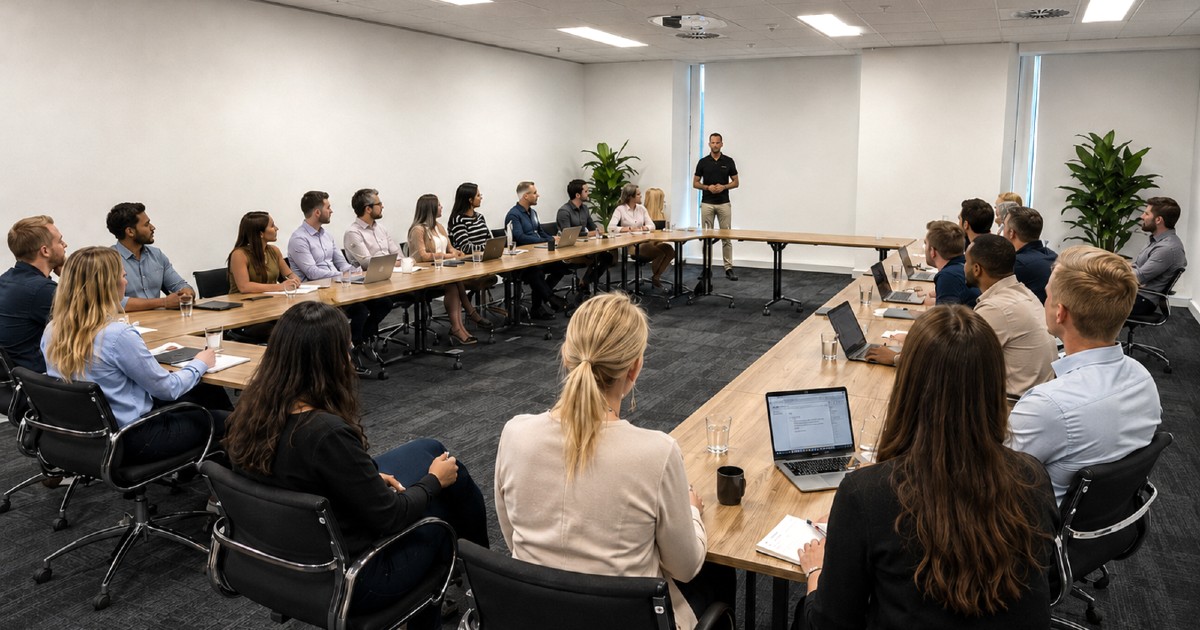
Check whether the room can support the preferred layout, such as classroom, cabaret, boardroom, theatre, U-shape or workshop style.
The right layout depends on whether delegates need to listen, take notes, collaborate, discuss or present.
Sightlines and Screen Visibility
Every delegate should be able to see the screen, presenter and whiteboard if required.
Check for pillars, glare, awkward angles or seats that may have poor visibility.
Lighting, Acoustics and Temperature
Consider natural light where available, glare, background noise, sound quality, air conditioning and general comfort.
These details become especially important for full-day and multi-day events.
Furniture and Seating
Check chair comfort, table space, writing space, power access and movement around the room.
Ergonomic seating and practical table space can improve concentration and delegate satisfaction.
Review AV, Wi-Fi and Hybrid Capability
Technology can make or break a business event.
Standard AV Equipment
Ask what is included, such as screens, projectors or displays, microphones, speakers, HDMI or USB-C connections, clickers and presentation tools.
Confirm what presenters need to bring and what the venue can provide.
Internet and Wi-Fi
Ask about Wi-Fi access, reliability, delegate usage, presenter requirements and online platforms.
If attendees need to access cloud-based tools, live polling, online learning platforms or shared documents, raise this during the inspection.
Hybrid Meeting Setup
For hybrid meetings, confirm Zoom or Microsoft Teams setup, cameras, room microphones, remote presenter access, chat moderation and technical support.
Remote delegates need to see, hear and contribute clearly.
Onsite Technical Support
Onsite support is important for presenter changes, troubleshooting, hybrid meetings and last-minute adjustments.
Ask who will be available on the day and how technical issues are handled.
Assess Catering and Refreshments
Catering affects energy, satisfaction and event flow.
Menu Quality and Timing
Ask about morning tea, lunch, afternoon tea, coffee, tea, water and catering timing around the agenda.
For full-day and multi-day events, catering should support delegate energy without disrupting the program.
Dietary Requirements
Ask how dietary requirements are managed. Common requirements include vegetarian, vegan, gluten-free, dairy-free, halal, kosher and allergy-specific meals.
Clear dietary processes help reduce confusion and support a better delegate experience.
Catering Space and Flow
Inspect where catering will be served and whether delegates can move easily through the space.
Catering areas should allow networking, quick service and easy return to sessions.
Check Breakout Spaces and Delegate Flow
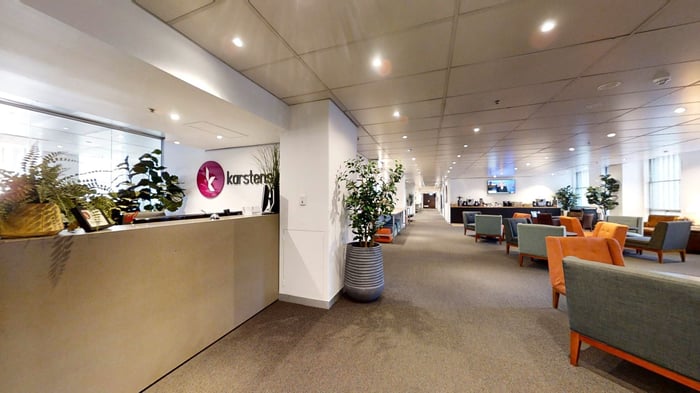
Breakout spaces are important for networking, group work and delegate comfort. Karstens provides breakout spaces across its Australian venues, with comfortable seating, Nespresso coffee, tea and a lolly bar to help delegates recharge during breaks.
Informal Networking Areas
Look for spaces where delegates can talk during breaks, make calls or have informal discussions.
For business events, valuable conversations often happen outside the main session room.
Workshop and Small-Group Areas
If the event includes group exercises or facilitated discussions, ask whether smaller rooms or breakout areas are available.
Movement Between Spaces
Walk the delegate journey between the main room, registration, catering, bathrooms and breakout spaces.
Good flow helps the event stay on schedule.
Review Registration and Signage
The arrival experience influences how professional the event feels.
Registration Area
Check where name badges, attendee lists, delegate materials and arrival refreshments will be placed.
The registration area should be easy to find and large enough for expected numbers.
Directional Signage
Ask about building signage, floor signage, room signage and directions from lifts or reception.
Clear signage reduces confusion and organiser workload.
Queue Management
For larger events, ask how arrivals will be managed. Queues can delay the start time and create pressure at the registration desk.
Ask About Venue Support and Event Coordination
Venue staff can strongly influence event-day success.
Dedicated Contact Person
Ask who manages the booking before the event and who supports the organiser on the day.
Having a clear contact helps with decisions, changes and urgent questions.
Setup and Turnaround Support
Ask how room setup changes, catering timing, AV checks and presenter support are managed.
This is especially important for multi-session or multi-day events.
Communication and Responsiveness
A venue inspection is also a chance to assess communication. Clear, responsive support before the event is usually a good indicator of smoother event delivery.
Understand Pricing, Inclusions and Terms
Before comparing venues, confirm what is included.
Room Hire and Inclusions
Ask whether AV, Wi-Fi, catering, staff support, room setup, signage, water, coffee or additional equipment are included.
Additional Charges
Ask about possible charges for extended hours, extra AV, hybrid equipment, late changes, cancellation, storage or additional catering.
Booking Terms
Confirm the booking process, final numbers deadline, cancellation terms, payment timing and written quote details.
Clear terms help avoid surprises later.
Conference Venue Inspection Checklist
Use this checklist during your next venue inspection.
Location and Access
- CBD location
- public transport nearby
- parking options
- taxi and rideshare access
- nearby accommodation
- clear building entrance
- lift access
- accessible amenities
Room Setup and Comfort
- suitable room size
- correct seating layout
- clear sightlines
- comfortable chairs
- table space
- good lighting
- suitable acoustics
- air conditioning
- power access
- room flow
AV, Wi-Fi and Hybrid
- screens or displays
- microphones
- speakers
- presenter connections
- Wi-Fi access
- onsite technical support
- hybrid meeting capability
- camera and microphone setup
- backup options
Catering and Breakout Spaces
- catering menu options
- dietary management
- coffee, tea and water
- catering timing
- breakout space
- networking areas
- easy movement between spaces
Registration and Onsite Support
- registration desk location
- name badge setup
- signage options
- onsite contact
- setup support
- run sheet coordination
- emergency procedures
- post-event pack-down
Pricing and Terms
- room hire
- inclusions
- additional charges
- cancellation policy
- final numbers deadline
- payment terms
- written quote
Questions to Ask During a Venue Inspection
Useful questions include:
- What room layout do you recommend for our event?
- What AV is included?
- Is onsite technical support available?
- How is Wi-Fi managed for delegates?
- Can the venue support hybrid meetings?
- How are dietary requirements managed?
- Where will catering be served?
- What breakout spaces are available?
- What signage can be provided?
- What additional charges should we be aware of?
Common Venue Inspection Mistakes to Avoid
Only Looking at the Main Room
Inspect arrival areas, breakout spaces, bathrooms, catering areas and delegate flow as well as the main room.
Forgetting AV and Wi-Fi Testing
Check presenter connectivity, hybrid needs, microphones, Wi-Fi and technical support before booking.
Comparing Venues Only on Price
Total value includes location, comfort, AV, catering, support and risk reduction.
Not Asking About Final Numbers and Changes
Attendance numbers often change. Ask how the venue handles updated numbers, room adjustments and catering changes.
Assuming All Venues Include the Same Services
Always request a written quote and clear inclusions so you can compare venues fairly.
Why Purpose-Built Venues Make Inspections Easier
Purpose-built venues like Karstens are designed for business events, which makes it easier to assess layout, catering, technology and delegate flow.
Flexible Room Layouts
Classroom, cabaret, theatre, boardroom, U-shape and workshop setups can support different event formats.
Built-In AV and Onsite Support
Integrated technology and onsite support reduce event-day risk and help presenters feel more confident.
Catering and Breakout Coordination
Professional venues support timing, movement, catering flow and delegate comfort.
How Karstens Supports Venue Inspections
Karstens provides purpose-built conference and training venues in Melbourne, Sydney, Brisbane, Perth and Adelaide.
Karstens can help organisers inspect room options, compare layouts, discuss catering, review AV requirements and plan delegate flow before booking.
With CBD locations, flexible room layouts, ergonomic seating, natural light where available, built-in AV, reliable Wi-Fi, hybrid meeting capability, catering, dietary management, breakout spaces, onsite support and professional event coordination, Karstens supports business events from planning through to delivery.
Conclusion
A conference venue inspection checklist helps organisers avoid assumptions, reduce event risk and choose the right venue for the event purpose.
By checking access, layout, AV, catering, breakout spaces, signage, support and terms before booking, organisers can create a smoother, more professional delegate experience.
Contact Karstens to arrange a venue inspection or discuss room setup, catering, AV and support for your next business event.
Frequently Asked Questions
What Is a Conference Venue Inspection?
A conference venue inspection is a site visit or virtual walkthrough used to check whether a venue is suitable for a business event. It helps organisers assess layout, access, AV, catering, comfort and onsite support.
Why Do I Need a Conference Venue Inspection Checklist?
A checklist helps you compare venues fairly and avoid missing important details. It also reduces the risk of event-day problems.
What Should I Check During a Venue Inspection?
Check location, access, room layout, seating, lighting, acoustics, AV, Wi-Fi, catering, breakout spaces, signage, registration areas and venue support.
How Do I Compare Conference Venues After an Inspection?
Compare each venue against the same criteria, including location, delegate comfort, inclusions, technology, catering, support, flexibility and total value.
What AV Should I Ask About During a Venue Inspection?
Ask about screens, microphones, speakers, presenter connections, Wi-Fi, hybrid meeting capability, technical support and backup options.
What Catering Questions Should I Ask a Venue?
Ask about menu options, catering timing, dietary management, coffee and tea, water, breakout areas and how catering will flow around the agenda.
How Important Is Location When Inspecting a Venue?
Location is very important because it affects attendance, punctuality and delegate experience. CBD venues close to transport, parking and hotels are often more convenient.
Should I Inspect a Venue Before Booking a Hybrid Event?
Yes. Hybrid events require reliable Wi-Fi, cameras, microphones, online meeting setup and technical support, so these should be checked before booking.
Compare conference venue pricing and booking options