
Multi-Day Conference Planning: How to Organise a Successful Event
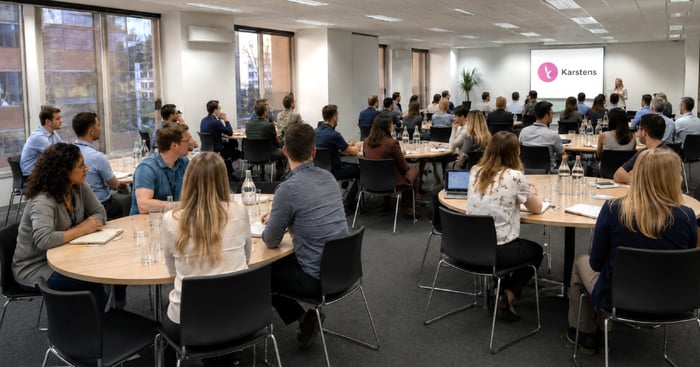
Multi-day conference planning requires more structure than a single-day event. Organisers need to manage delegate energy, accommodation, catering, AV, registration, agenda flow, presenter timing, breakout spaces and venue support across several days.
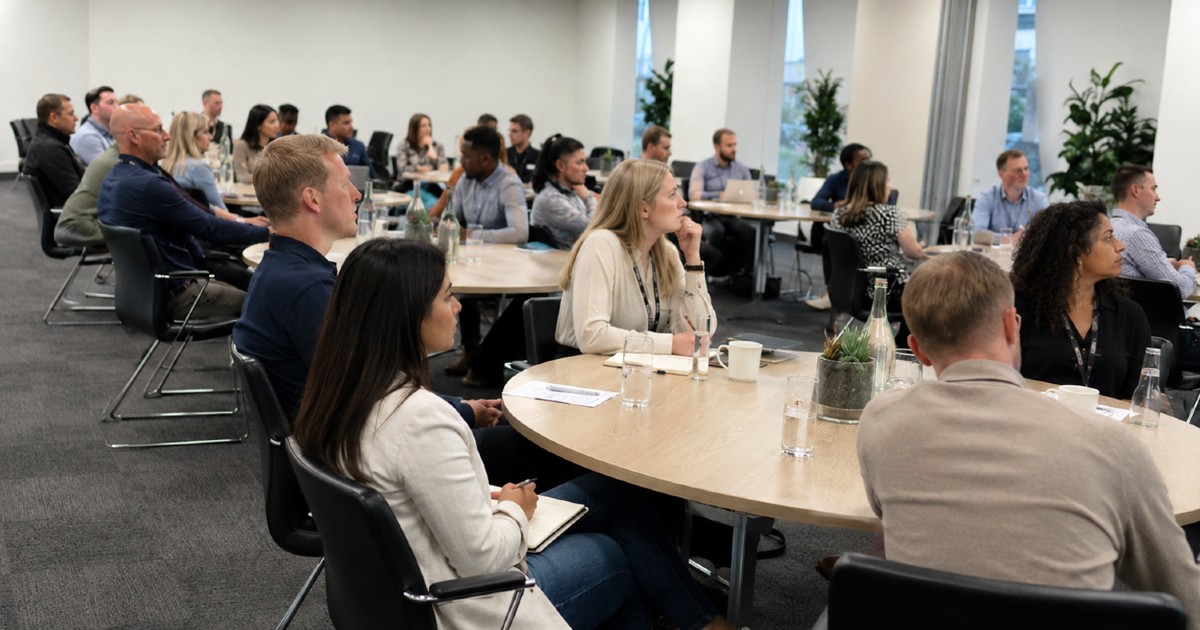
The right venue can make this process much easier. A purpose-built conference venue helps organisers coordinate the room setup, catering, technology, hybrid participation and delegate movement so the event feels consistent, professional and well managed from start to finish.
What Is Multi-Day Conference Planning?
Multi-day conference planning is the process of organising a business event, training program, summit, roadshow or professional development event that runs across two or more days.
It involves planning not only the sessions, but the full delegate experience across the entire program.
Why Multi-Day Events Need Extra Planning
Longer events create more opportunities for fatigue, delays, catering changes, speaker issues, technology problems and communication gaps.
Delegates need a comfortable room, balanced agenda, reliable catering, clear instructions and enough time to reset between sessions. Organisers also need strong onsite support to manage changes as they happen.
Common Multi-Day Conference Formats
Multi-day events may include corporate training programs, leadership conferences, association events, government forums, certification programs, client summits, internal planning days and professional development programs.
Each format needs a different balance of presentations, workshops, discussions, networking and breaks.
Start With Clear Conference Objectives
Before choosing a venue or building the agenda, define what the conference needs to achieve.
Define the Purpose of the Event
The purpose may be learning, networking, strategy, compliance, stakeholder engagement, sales, leadership alignment or professional development.
A training program may need classroom seating and practical activities. A leadership conference may need cabaret seating, breakout sessions and private discussion areas. A client summit may need professional presentation spaces, strong AV and networking opportunities.
Set Measurable Outcomes
Clear objectives make it easier to judge whether the event was successful.
Examples include attendance numbers, feedback scores, training completion, delegate engagement, leads generated, decisions made, stakeholder satisfaction or agreed post-event actions.
Choose the Right Venue for Multiple Days
Venue choice is one of the most important decisions in multi-day conference planning. Delegates may spend many hours in the same environment, so comfort and consistency matter.
Location and Delegate Convenience
A CBD venue close to public transport, taxis, parking, hotels, restaurants and business services makes attendance easier.
For interstate delegates, nearby accommodation is especially important. A central location reduces travel stress and helps delegates arrive on time each day.
Room Comfort and Atmosphere
Full-day and multi-day events require comfortable rooms. Look for ergonomic seating, natural light where available, good acoustics, climate control, table space and clear sightlines.
A room that feels comfortable on day one should still support concentration on day two or three.
Venue Consistency Across the Program
Using the same venue across multiple days can reduce organiser stress and improve the delegate experience.
Consistent room setup, catering timing, AV support and onsite contacts help the event feel organised and familiar.
Plan the Agenda Carefully
The agenda should balance content, breaks, networking and energy. Multi-day events should not be overloaded.
Avoid Overloading the Program
Long sessions without breaks reduce attention and learning retention. Delegates need time to process information, ask questions, network and recharge.
A strong agenda includes clear session blocks, realistic timing and breaks that support the overall flow.
Use Varied Session Formats
Use a mix of keynote presentations, workshops, panels, breakout activities, Q&A, networking and reflection time.
Changing formats helps keep delegates engaged and prevents the event from feeling repetitive.
Build in Buffer Time
Buffer time helps manage speaker changes, catering breaks, room movement and unexpected delays.
Without buffer time, one late session can affect the entire day.
Manage Registration and Delegate Communication
Clear communication helps delegates arrive prepared and reduces confusion across multiple days.
Pre-Event Communication
Before the event, send confirmation emails with the agenda, venue address, transport information, parking options, accommodation details, start times, catering notes and contact information.
If delegates need to bring laptops, materials or identification, mention this clearly.
Event-Day Registration
Prepare name badges, attendee lists, signage, delegate materials and arrival instructions before the first session.
Arrival coffee or refreshments can help delegates settle in and create a positive start to the day.
Multi-Day Updates
For multi-day events, communication should continue throughout the program. Notify delegates about timing changes, room changes, evening functions, next-day start times and any practical updates.
Coordinate Catering Across Multiple Days
Catering plays a major role in delegate energy, satisfaction and event flow.
Plan Catering Around the Agenda
Morning tea, lunch, afternoon tea, coffee, tea and water should be planned around session timing.
Breaks should give delegates enough time to eat, network, make calls and return to the room without feeling rushed.
Avoid Menu Repetition
For multi-day conferences, variety matters. Repeating the same catering across several days can reduce satisfaction.
Fresh, balanced menu choices help delegates maintain energy and feel looked after.
Manage Dietary Requirements
Dietary requirements should be collected during registration and confirmed before the event. Common requirements include vegetarian, vegan, gluten-free, dairy-free, halal, kosher and allergy-specific meals.
Clear dietary management helps avoid confusion and supports an inclusive delegate experience.
Confirm AV, Wi-Fi and Hybrid Requirements
Technology must be reliable across the full conference. A small AV issue can quickly affect timing and presenter confidence.
Essential Conference AV
Confirm screens, microphones, speakers, presenter connectivity, video playback, slide clickers and audience Q&A requirements.
If the event includes multiple presenters, test presentation files and speaker transitions before delegates arrive.
Wi-Fi and Internet Needs
Delegates and presenters may need Wi-Fi for online resources, live polling, cloud-based materials, shared documents or software demonstrations.
Confirm expected device use and any corporate access requirements before the event.
Hybrid Participation
Hybrid conferences need careful planning. Remote participants must be able to see, hear and contribute.
Confirm Zoom or Microsoft Teams links, cameras, room microphones, remote Q&A, chat moderation and onsite technical support.
Use Breakout Spaces Effectively
Breakout spaces are especially valuable for multi-day conferences because delegates need movement, variety and informal discussion.
Delegate Networking
Breakout areas support informal conversations, catering breaks, sponsor discussions and relationship building.
For many delegates, networking is one of the most valuable parts of the event.
Small-Group Work
Training groups, workshops, planning exercises and facilitated discussions often need separate or flexible spaces.
Breakout areas allow organisers to vary the program and create more active participation.
Quiet Spaces and Reset Time
Delegates may need space to make calls, check emails, rest or prepare for the next session.
This is especially important during long or intensive programs.
Support Presenters and Facilitators
Multi-day conferences often involve multiple presenters, which creates extra coordination needs.
Prepare Speakers Early
Confirm presentation files, AV needs, biographies, arrival times, session timing and rehearsal requirements.
Speakers should understand the audience, room setup and interaction style expected.
Create a Speaker Run Sheet
A clear run sheet should include speaker order, session length, breaks, microphone needs, handovers, panel changes and technical cues.
This helps the organiser, venue team and presenters stay aligned.
Have Backup Plans
Prepare for presenter delays or cancellations. Options may include remote presentation, recorded content, replacement speakers or reshuffling the agenda.
Manage Risk Over Multiple Days
Longer events carry more risk because there are more moving parts.
Attendance and Number Changes
Changing numbers affect room setup, catering quantities, name badges and budget.
Keep the venue updated as registrations change and confirm final numbers by the required deadline.
Technology and Supplier Risks
Test AV, internet, presenter files and hybrid links before the event. Confirm onsite contacts so issues can be managed quickly.
Health, Safety and Accessibility
Confirm emergency procedures, accessible amenities, dietary safety, room movement and delegate wellbeing requirements.
A professional venue team should support organisers with practical event-day coordination.
Multi-Day Conference Planning Checklist
Use this checklist when planning your next multi-day conference:
- define event objectives
- confirm attendee numbers
- choose a convenient CBD venue
- check nearby accommodation
- select the right room layout
- design a balanced agenda
- prepare speaker schedule
- organise registration process
- send delegate communication
- plan catering across all days
- collect dietary requirements
- confirm AV requirements
- confirm Wi-Fi requirements
- plan hybrid participation
- organise breakout spaces
- prepare signage
- confirm accessibility needs
- prepare risk management plan
- confirm onsite contacts
- create feedback survey
- complete post-event review
Why Purpose-Built Venues Help Multi-Day Conferences Succeed
Purpose-built venues like Karstens reduce complexity because they are designed for business events.
Flexible Room Layouts
Flexible layouts allow organisers to choose classroom, cabaret, theatre, boardroom or U-shape depending on the session format.
Built-In AV and Onsite Support
Integrated AV and onsite support reduce event-day risk. Presenters can focus on delivery, while organisers have support if technology needs adjusting.
Catering and Breakout Coordination
Coordinated catering, breakout spaces and experienced venue staff help maintain timing and delegate flow across multiple days.
How Karstens Supports Multi-Day Conference Planning
Karstens provides purpose-built conference and training venues in Melbourne, Sydney, Brisbane, Perth and Adelaide.
Karstens supports multi-day conference planning with CBD locations, flexible layouts, ergonomic seating, natural light where available, built-in AV, reliable Wi-Fi, hybrid meeting capability, quality catering, dietary management, breakout spaces, onsite support and consistent service across multiple cities.
The Karstens team helps organisers coordinate room setup, catering, AV, hybrid support and delegate flow so multi-day business events run more smoothly.
Conclusion
Successful multi-day conference planning depends on clear objectives, the right venue, a balanced agenda, reliable technology, good catering, strong communication and experienced onsite support.
By choosing a purpose-built venue and planning the full delegate experience across every day of the program, organisers can create conferences that are more comfortable, productive and professional.
Contact Karstens to discuss venue options, room setup, catering, AV and support for your next multi-day conference.
Frequently Asked Questions
What Is Multi-Day Conference Planning?
Multi-day conference planning is the process of organising a business event that runs across two or more days. It includes agenda design, venue selection, catering, AV, registration, communication, speaker coordination and delegate experience.
How Do You Plan a Multi-Day Conference?
Start with clear objectives, choose a suitable venue, build a balanced agenda, confirm catering and AV, prepare delegate communication and create a detailed run sheet.
What Should a Multi-Day Conference Venue Include?
A multi-day conference venue should include comfortable rooms, flexible layouts, reliable AV, Wi-Fi, catering, breakout spaces, accessible amenities and onsite support.
How Do You Keep Delegates Engaged Over Multiple Days?
Use varied session formats, regular breaks, networking opportunities, breakout activities, quality catering and comfortable rooms to maintain energy and participation.
What Catering Is Needed for a Multi-Day Conference?
Multi-day conferences usually need morning tea, lunch, afternoon tea, water, coffee and tea across each day. Menu variety and dietary management are especially important.
How Important Is AV for a Multi-Day Conference?
AV is essential because multiple sessions, speakers and hybrid components rely on reliable technology. Screens, microphones, Wi-Fi and onsite support should be confirmed early.
Should Multi-Day Conferences Include Hybrid Options?
Hybrid options can be useful for remote speakers, interstate attendees or stakeholders who cannot attend in person. They require reliable internet, cameras, microphones and online moderation.
Why Choose a Purpose-Built Conference Venue?
A purpose-built conference venue is designed for business events, with suitable layouts, AV, catering flow, breakout spaces, delegate comfort and onsite support.
To assist you with planning click hyperlink The Complete Guide to conference planning