
Sustainable Conference Planning: How to Run Greener Business Events
Sustainable conference planning is about making practical choices that reduce waste, improve efficiency and create a better delegate experience. It does not mean making the event complicated. It means thinking early about venue choice, transport, catering, technology, printed materials, room setup and delegate wellbeing.
For corporate conferences, training programs, workshops, seminars and hybrid events, sustainability can support both environmental goals and event outcomes. The right venue partner can make this easier by helping organisers coordinate room layout, catering, AV, Wi-Fi, breakout spaces and event-day support.
Karstens Conference & Training Venues provides purpose-built conference and training venues in Melbourne, Sydney, Brisbane, Perth and Adelaide, helping organisers deliver professional business events with practical planning and efficient event support.
What Is Sustainable Conference Planning?
Sustainable conference planning is the process of reducing the environmental impact of a business event while still delivering a professional, comfortable and productive experience for delegates.
It includes decisions about location, transport, food, technology, materials, room size, energy use, waste reduction and accessibility.
Why Sustainability Matters for Conferences
Sustainability is increasingly important for organisations, delegates and stakeholders. Many businesses now consider environmental responsibility part of good event planning.
A more sustainable conference can reduce waste, improve efficiency, support brand reputation and show delegates that the organiser has considered the broader impact of the event.
Sustainability Starts With Planning
Sustainability should be considered early, not added at the end. Venue selection, registration design, catering numbers, agenda timing and communication methods all influence the event footprint.
The earlier organisers consider sustainable choices, the easier they are to implement.
Choose a Venue With Sustainability in Mind
Venue choice is one of the most important decisions in sustainable conference planning. The venue affects transport, room efficiency, catering flow, technology use and delegate experience.
Choose a Central CBD Location
A CBD venue close to public transport, hotels and business services can reduce reliance on cars and make attendance easier. Delegates are more likely to use trains, trams, buses, ferries, taxis or rideshare when the venue is central and easy to reach.
CBD locations also reduce travel time for many business attendees and make post-event networking more convenient.
Select the Right Room Size
A room that is too large may use more space and feel disconnected. A room that is too small can affect comfort, movement and engagement.
Choosing a room that matches attendee numbers and event format helps create a better atmosphere while avoiding unnecessary space.
Look for Efficient Room Design
Natural light, flexible layouts, integrated AV, clear sightlines and breakout spaces can all support a more efficient event.
A well-designed venue helps delegates move easily between sessions, catering and networking without unnecessary delays or confusion.
Reduce Travel Impact
Travel is often one of the largest contributors to an event’s overall environmental impact. While not all travel can be avoided, organisers can make practical choices to reduce unnecessary movement.
Encourage Public Transport
Choose a venue that is easy to access by public transport. Include transport information in confirmation emails so delegates understand the easiest way to arrive.
Clear arrival instructions can reduce car use, late arrivals and event-day stress.
Choose Venues Near Accommodation
For interstate or regional delegates, nearby hotels reduce transfers and make the event easier to attend. A central venue also allows delegates to walk between accommodation, the event venue and networking functions.
Consider Hybrid Attendance
Hybrid attendance can reduce travel for remote speakers, interstate attendees or smaller stakeholder groups. It may not suit every event, but it can be useful for briefings, board meetings, training updates and multi-location programs.
Plan Sustainable Catering
Catering is one of the most visible parts of an event and one of the easiest areas to improve with practical planning.
Confirm Accurate Attendee Numbers
Accurate numbers help reduce food waste and unnecessary cost. Keep registration data updated and confirm final numbers with the venue by the required deadline.
If attendee numbers change, communicate early so catering can be adjusted where possible.
Offer Practical Menu Choices
Fresh, balanced and well-portioned food often works better than excessive catering. Consider menus that support delegate energy and reduce waste.
Vegetarian options can also support variety and help meet a broad range of delegate preferences.
Manage Dietary Requirements Early
Dietary requirements should be collected during registration and confirmed before the event. Common requirements include vegetarian, vegan, gluten-free, dairy-free, halal, kosher and allergy-specific meals.
Managing dietaries properly improves inclusion and reduces confusion on event day.
Reduce Single-Use Items
Where possible, use reusable crockery, glassware, water stations and reduced disposable packaging. Small decisions across the event can reduce waste without affecting delegate experience.
Reduce Waste From Printed Materials
Many conferences can reduce printed materials without reducing quality.
Use Digital Agendas and Resources
Digital agendas, QR codes, emailed materials and online speaker resources can replace large printed packs.
This also makes it easier to update information if the agenda changes before or during the event.
Print Only What Is Necessary
Some printed items may still be useful, such as name badges, essential signage or training materials required for learning or accessibility.
The goal is not to eliminate print completely, but to avoid unnecessary printing.
Reuse Signage Where Possible
Generic directional signage, reusable lanyards and non-date-specific materials can reduce waste across recurring events.
This is especially useful for training providers, associations and organisations running repeat programs.
Use Technology to Support Sustainability
Technology can reduce waste, support hybrid attendance and make event communication more efficient.
Digital Registration and Communication
Online registration, automated reminders, digital confirmations and pre-event emails reduce paper and improve delegate communication.
They also help organisers collect key information such as dietary requirements, accessibility needs and attendee numbers.
Hybrid and Video Conferencing Options
Zoom, Microsoft Teams, cameras, microphones and reliable Wi-Fi can support remote participation where appropriate.
Hybrid options are especially useful for presenters, interstate teams, advisory groups and stakeholders who do not need to attend in person.
Built-In AV Reduces Unnecessary Setup
Venues with built-in AV may reduce the need for additional temporary equipment transport and setup. Integrated technology can also make event delivery smoother and reduce troubleshooting time.
Improve Energy and Resource Efficiency
Sustainable planning is also about using space, time and resources efficiently.
Match Rooms to Delegate Numbers
Select a room size and layout that suits the number of attendees and the event purpose. This improves comfort and atmosphere while avoiding unnecessary space.
Use Natural Light Where Available
Natural light can support delegate comfort and reduce reliance on artificial lighting where practical.
It also helps create a more pleasant environment for full-day conferences, training sessions and workshops.
Plan the Agenda Efficiently
Avoid unnecessary room changes, long gaps or poorly timed breaks. Coordinate catering with the agenda so delegates move smoothly between sessions.
A well-planned agenda reduces waiting time, improves flow and makes the event easier to manage.
Support Delegate Wellbeing
Sustainability is not only environmental. It also includes creating a comfortable, inclusive and productive delegate experience.
Comfortable Rooms Support Focus
Ergonomic seating, good acoustics, climate control, clear sightlines and suitable table space help delegates stay focused.
Comfort matters most during full-day events, training programs and workshops.
Breakout Spaces Support Movement and Connection
Breakout spaces give delegates room to move, network, eat, make calls and reset between sessions.
They also support informal conversations, which are often a valuable part of business events.
Accessibility and Inclusion
Accessible amenities, dietary management, clear communication and inclusive room design all contribute to a better event experience.
Ask about access requirements early so arrangements can be made before event day.
Sustainable Conference Planning Checklist
Use this checklist when planning a more sustainable business event:
- choose a central CBD venue
- confirm public transport access
- choose the right room size
- reduce unnecessary travel
- offer hybrid participation where suitable
- confirm accurate attendee numbers
- manage dietary requirements early
- reduce food waste
- reduce single-use items
- use digital agendas and QR codes
- limit printed materials
- reuse signage where practical
- use built-in AV
- plan efficient room layouts
- coordinate catering timing
- support delegate wellbeing
- review sustainability outcomes after the event
Common Sustainability Mistakes to Avoid
Choosing a Venue Only by Price
The cheapest venue may not offer the best overall value. Consider location, transport access, catering quality, AV, room layout and onsite support.
A well-located venue can reduce travel friction and improve delegate experience.
Over-Catering
Over-catering increases waste and cost. Accurate attendee numbers, thoughtful menus and clear dietary planning help reduce unnecessary food waste.
Printing Too Much
Large printed packs are often unnecessary. Digital resources, QR codes and emailed materials can usually provide the same information with less waste.
Ignoring Transport Access
A venue that is hard to reach may increase car travel and reduce attendance convenience. Central CBD venues close to transport are often better for delegates and organisers.
Treating Sustainability as an Afterthought
Sustainability works best when it is built into the event plan from the beginning. Late changes are harder to manage and often less effective.
How Purpose-Built Venues Support Sustainable Events
Purpose-built conference venues can support sustainability through efficient layouts, integrated technology, onsite coordination and professional catering management.
Flexible Layouts
Flexible rooms allow organisers to match the space to attendee numbers and event format. This helps improve comfort, energy and event flow.
Built-In AV and Hybrid Capability
Integrated AV, reliable Wi-Fi and hybrid meeting capability support efficient event delivery and remote participation where appropriate.
Coordinated Catering and Breakout Spaces
Professional catering coordination helps manage timing, numbers and delegate movement. Breakout spaces also support networking and reduce congestion around catering areas.
How Karstens Supports Sustainable Conference Planning
Karstens provides purpose-built conference and training venues in Melbourne, Sydney, Brisbane, Perth and Adelaide.
Karstens supports sustainable conference planning through central CBD locations, flexible room layouts, natural light where available, built-in AV, hybrid meeting capability, reliable Wi-Fi, quality catering, dietary management, breakout spaces, onsite support and professional event coordination.
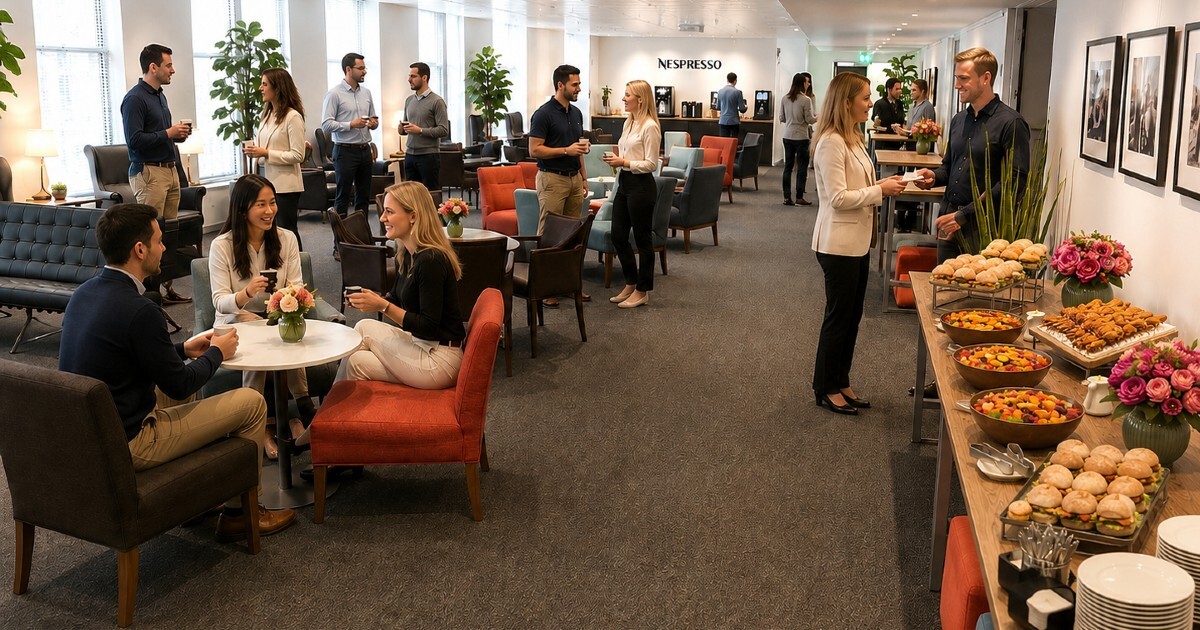
Karstens uses ceramic crockery rather than plastic items, and Nespresso pods are recycled and converted into compost.
By helping organisers coordinate room setup, catering, technology and delegate flow, Karstens makes it easier to plan efficient, professional and lower-waste business events.
Conclusion
Sustainable conference planning is about making practical choices that reduce waste, support delegates and improve event efficiency.
The right venue, catering plan, technology setup and communication strategy can make sustainability easier to achieve. By planning early, reducing unnecessary materials, managing catering carefully and choosing a venue that supports efficient delivery, organisers can create greener business events without compromising professionalism.
Contact Karstens to discuss venue options, catering, technology, room setup and support for your next sustainable business event.
Frequently Asked Questions
What Is Sustainable Conference Planning?
Sustainable conference planning means reducing the environmental impact of a business event while still delivering a professional delegate experience. It includes venue choice, catering, transport, technology, waste reduction and communication.
How Can I Make a Conference More Sustainable?
Choose a central venue, reduce printed materials, manage catering numbers carefully, encourage public transport, use digital communication and consider hybrid participation where suitable.
How Does Venue Choice Affect Conference Sustainability?
Venue choice affects travel, room efficiency, catering flow, technology setup and delegate comfort. A central, purpose-built venue can make sustainable planning easier.
How Can Catering Be More Sustainable?
Catering can be more sustainable by confirming accurate numbers, reducing waste, offering practical menu choices, managing dietary requirements early and reducing single-use items where possible.
Should Conference Materials Be Digital or Printed?
Digital materials are often suitable for agendas, speaker notes and updates. Print only what is necessary for learning, accessibility, signage or delegate use.
Can Hybrid Events Reduce Environmental Impact?
Hybrid events can reduce travel for remote speakers, interstate delegates and stakeholders who do not need to attend in person. They work best when supported by reliable AV, Wi-Fi and moderation.
What Should Be Included in a Sustainable Conference Checklist?
A sustainable conference checklist should include venue location, transport, room size, catering numbers, dietary requirements, digital materials, hybrid options, waste reduction and delegate wellbeing.
Why Choose a Purpose-Built Conference Venue?
A purpose-built conference venue is designed for business events, with flexible layouts, built-in AV, breakout spaces, catering coordination and experienced onsite support.
To assist you with planning click hyperlink The Complete Guide to conference planning