
Corporate Conference Planning FAQs: Answers for Event Organisers

Corporate conference planning involves many decisions, including venue selection, budget, catering, room layout, AV, hybrid technology, registration, accessibility and delegate experience.
Whether you are organising a leadership conference, client briefing, training program, government forum, association event or internal business meeting, asking the right questions early can reduce risk and improve the event outcome.
This corporate conference planning FAQs guide answers the most common questions business event organisers ask before booking a conference venue.
Corporate Conference Planning Basics
What Is Corporate Conference Planning?
Corporate conference planning is the process of organising a business event to achieve professional outcomes.
These outcomes may include training, communication, networking, compliance, client engagement, stakeholder updates, sales activity or strategy alignment. A strong plan connects the event purpose with the venue, agenda, speakers, catering, technology and delegate experience.
How Early Should I Start Planning a Corporate Conference?
You should start planning as early as possible, especially for larger, multi-day, hybrid or interstate events.
Early planning gives you more choice of venue, room layout, catering options, speaker availability and accommodation. It also gives delegates enough notice and allows time to confirm AV, registration, dietary requirements and accessibility needs.
What Are the Main Steps in Planning a Corporate Conference?
The main steps are to define the objectives, set the budget, choose the venue, build the agenda, organise speakers, confirm catering, plan AV, prepare registration, communicate with delegates, create a run sheet and review the event afterwards.
Each step should support the event purpose. For example, a training event may need classroom layout and strong Wi-Fi, while a client event may need presentation AV, catering and networking space.
What Makes a Corporate Conference Successful?
A successful corporate conference has clear objectives, the right venue, strong agenda flow, reliable technology, quality catering, comfortable rooms, delegate engagement and professional onsite support.
Success is not only measured by attendance. It is also measured by delegate satisfaction, learning outcomes, networking value, business follow-up and how smoothly the event runs.
Conference Venue Selection FAQs
How Do I Choose the Right Corporate Conference Venue?
Choose a venue based on location, capacity, room layout, AV, Wi-Fi, catering, accessibility, breakout spaces, pricing, inclusions and onsite support.
The best venue should match the event format and make the organiser’s job easier. It should support the delegate journey from arrival and registration through to sessions, catering, breaks and departure.
Why Is Venue Location Important?
Venue location affects attendance, punctuality and delegate experience.
CBD venues close to public transport, parking, taxis, rideshare, hotels, restaurants and business services are usually easier for delegates to access. A convenient location can reduce late arrivals and improve overall event flow.
What Should I Check Before Booking a Conference Venue?
Before booking, check room size, seating layout, capacity, AV, Wi-Fi, catering, breakout spaces, registration area, accessibility, signage, pricing, cancellation terms and onsite support.
It is also important to understand what is included in the quote and what may cost extra. This makes it easier to compare venues fairly.
Should I Inspect the Venue Before Booking?
Yes, a site inspection or virtual walkthrough is highly recommended for important business events.
An inspection helps you confirm room suitability, delegate flow, catering areas, access, signage, AV and overall fit. It also gives you the chance to ask practical questions before committing.
What Is the Difference Between a Purpose-Built Conference Venue and a Hotel Function Room?
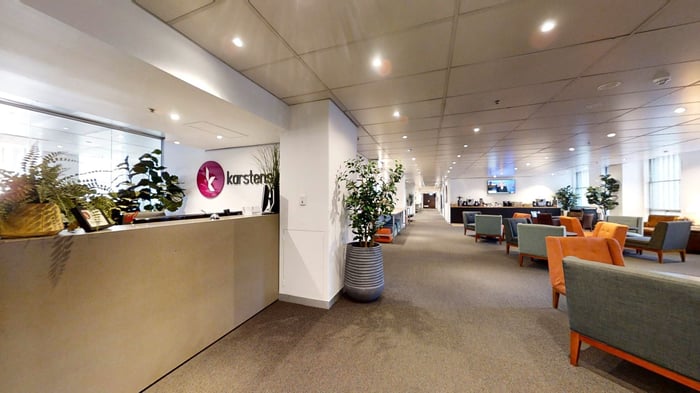
A purpose-built conference venue like Karstens venues are designed specifically for meetings, training and business events.
These venues often provide integrated AV, flexible room layouts, ergonomic seating, breakout spaces, catering coordination and dedicated event support. Hotel function rooms can suit some events, but may not always be designed around training, presentations or full-day business programs.
Conference Room Setup FAQs
What Is the Best Room Layout for a Corporate Conference?
The best layout depends on the event format.
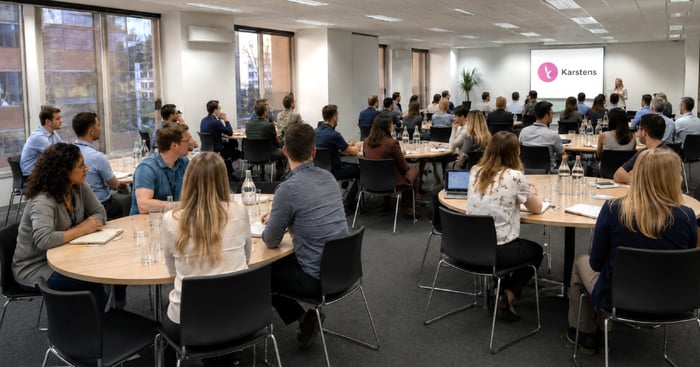
Theatre style suits presentations. Classroom style suits training and note-taking. Cabaret style supports discussion and group work. Boardroom style works for decision-making meetings. U-shape supports interaction between presenters and delegates.
How Many People Can Fit in a Conference Room?
Conference room capacity depends on room size, seating style, furniture, AV setup, catering movement and delegate comfort.
Organisers should avoid choosing capacity based only on the maximum number of seats. A room should feel comfortable and allow delegates to move easily.
Why Does Seating Style Matter?
Seating style affects sightlines, interaction, note-taking, presenter visibility, group work, comfort and engagement.
For example, theatre style maximises numbers but limits table space. Classroom layout supports learning. Cabaret layout encourages discussion. The right layout can improve participation and event outcomes.
What Should Be Included in a Conference Room Setup?
A conference room setup should include appropriate tables and chairs, a screen, microphones if required, presenter area, whiteboard or flipchart, water, power access, Wi-Fi and clear pathways.
The setup should also allow delegates to see the presenter and screen clearly.
Conference Catering FAQs
What Catering Do You Need for a Corporate Conference?
Corporate conference catering may include arrival tea and coffee, morning tea, lunch, afternoon tea, water and all-day refreshments.
The right catering depends on the event length, agenda and delegate expectations. Full-day and multi-day events usually need structured breaks to maintain energy and keep the program running on time.
How Should Dietary Requirements Be Managed?
Dietary requirements should be collected during registration and confirmed with the venue before the event.
Common dietary needs include vegetarian, vegan, gluten-free, dairy-free, halal, kosher and allergy-specific meals. Clear communication with the venue helps avoid confusion on the day.
Why Is Catering Important for Delegate Experience?
Catering supports delegate energy, networking, satisfaction and agenda flow.
Good catering gives delegates a chance to reset, connect with others and return to sessions ready to participate. Poor catering timing or limited options can affect the overall event experience.
How Do You Avoid Catering Delays?
Avoid catering delays by confirming final numbers, break times, service locations, dietary requirements and agenda timing with the venue.
For larger or multi-day events, make sure catering is built into the run sheet and that the venue team understands the session schedule.
AV, Wi-Fi and Hybrid Conference FAQs
What AV Is Needed for a Corporate Conference?
Common AV requirements include screens, microphones, speakers, presenter connections, clickers, video playback, Wi-Fi and onsite technical support.
For panel sessions, hybrid meetings or large rooms, microphones become especially important. Presenters should test their files and connections before the event starts.
How Important Is Wi-Fi for Business Events?
Wi-Fi is essential for many business events.
It supports presenters, delegates, live polling, cloud-based resources, hybrid access, online collaboration and digital materials. Organisers should confirm Wi-Fi requirements early, especially if many delegates will be connected at the same time.
Can a Corporate Conference Be Run as a Hybrid Event?
Yes, a corporate conference can be run as a hybrid event if the venue has suitable internet, cameras, microphones, screens, conferencing software and technical support.
Hybrid events need more planning than standard in-room events because remote attendees must be able to see, hear and contribute clearly.
What Should I Check for Hybrid Conference Planning?
Check Zoom or Microsoft Teams setup, camera angles, room microphones, remote Q&A, chat moderation, presenter access and technical testing.
It is also useful to decide who will monitor online participants during the event.
Delegate Experience and Engagement FAQs
How Do You Keep Conference Delegates Engaged?
Keep delegates engaged with strong content, varied session formats, regular breaks, interactive activities, Q&A, networking opportunities, comfortable rooms and reliable technology.
Engagement is easier when the venue supports the agenda and delegates are not distracted by poor sound, uncomfortable seating or rushed catering.
Why Are Breakout Spaces Important?
Breakout spaces support networking, catering, small-group work, private calls and delegate reset time.
They are especially valuable for full-day and multi-day events where delegates need time away from the main room.
How Can Registration Be Managed Smoothly?
Smooth registration requires name badges, attendee lists, clear signage, arrival instructions, a registration desk and pre-event communication.
For larger events, allow enough time for arrival and avoid creating queues close to the scheduled start time.
How Do You Support Accessibility at a Corporate Conference?
Support accessibility by providing clear access information, suitable room pathways, seating options, accessible amenities, microphones, readable slides, dietary support and hybrid participation where required.
Accessibility should be considered from the beginning of planning, not added at the last minute.
Conference Budget and Planning FAQs
What Costs Should Be Included in a Conference Budget?
A conference budget should include venue hire, catering, AV, speakers, travel, accommodation, marketing, printing, staff time, signage, hybrid technology and contingency.
Organisers should also consider hidden costs such as planning time, extra equipment, late changes and additional supplier coordination.
How Do I Compare Conference Venue Quotes?
Compare total value, not just price.
Review inclusions such as AV, Wi-Fi, catering, room setup, staff support, flexibility, breakout spaces and additional charges. A cheaper venue may not provide better value if it increases organiser workload or creates event-day risk.
What Questions Should I Ask Before Confirming a Booking?
Ask about availability, recommended layout, inclusions, catering, AV, Wi-Fi, hybrid support, final numbers, cancellation terms, onsite contact and any additional charges.
Make sure key details are confirmed in writing before the event.
How Do I Measure Conference Success?
Conference success can be measured through attendance, delegate feedback, engagement, leads generated, training completion, stakeholder satisfaction, ROI and post-event actions.
The best success measures should link directly to the original event objectives.
Corporate Conference Planning Checklist
Use this checklist when planning your next corporate conference:
- define event objectives
- confirm delegate numbers
- set the budget
- choose the venue
- inspect the venue
- select room layout
- confirm catering
- collect dietary requirements
- confirm AV requirements
- confirm Wi-Fi requirements
- plan hybrid participation
- organise speakers
- prepare agenda
- send delegate communication
- prepare registration
- confirm signage
- check accessibility needs
- create a run sheet
- confirm onsite contacts
- collect feedback
- review event outcomes
How Karstens Supports Corporate Conference Planning
Karstens provides purpose-built conference and training venues in Melbourne, Sydney, Brisbane, Perth and Adelaide.
Karstens supports corporate conference planning with CBD locations, flexible room layouts, ergonomic seating, natural light where available, built-in AV, reliable Wi-Fi, hybrid meeting capability, quality catering, dietary management, breakout spaces, onsite support, professional event coordination and consistent service across multiple cities.
The Karstens team can help organisers plan room setup, catering, AV, Wi-Fi, hybrid requirements, delegate flow and event-day coordination.
Conclusion
Corporate conference planning becomes easier when organisers ask the right questions early. Venue choice, catering, AV, room layout, communication, accessibility and onsite support all affect event success.
By choosing a purpose-built venue and planning the delegate experience carefully, organisers can create smoother, more professional and more effective business events.
Contact Karstens to discuss venue options, room setup, catering, AV and support for your next corporate conference.
To assist you with planning click hyperlink The Complete Guide to conference planning