

Workshop Guide: 12 Steps for Success
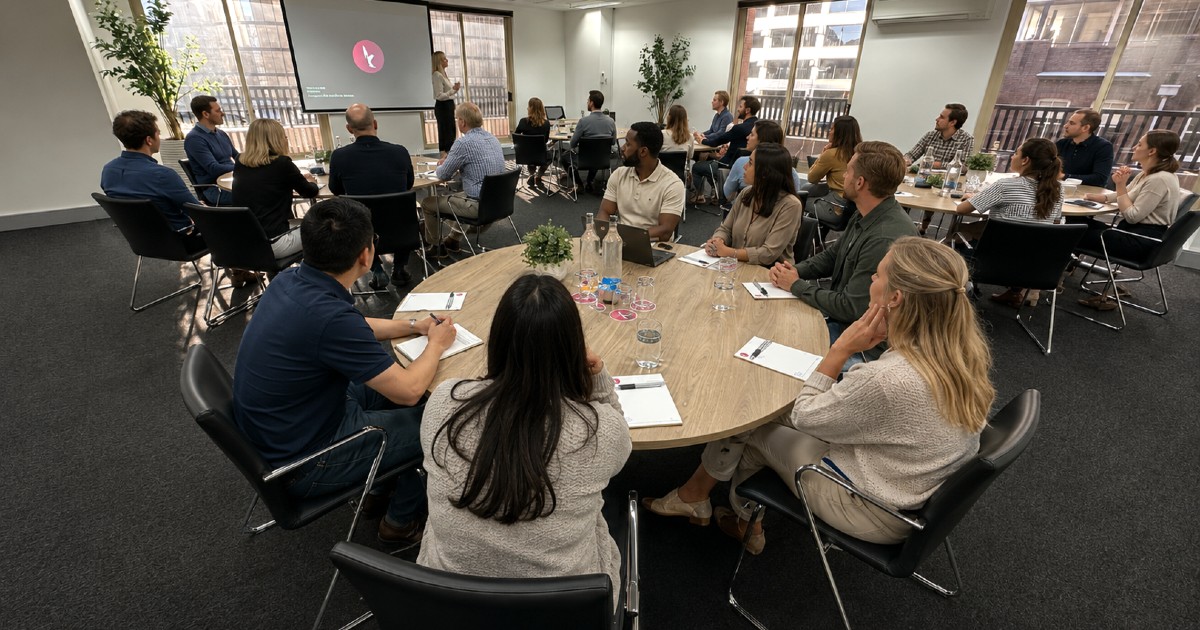
A successful workshop does not happen simply because the right people are placed in the same room. It requires a clear purpose, structured agenda, suitable activities, comfortable environment and a practical plan for turning discussion into action.
This workshop planning guide explains how to organise a productive corporate workshop, from setting objectives and choosing a venue to arranging technology, catering and post-workshop follow-up.
Workshop planning is the process of defining an objective, selecting participants, designing activities and coordinating the venue, agenda, technology and resources needed to achieve a specific outcome. Effective planning ensures participants understand the purpose, remain engaged and leave with clear decisions or actions.
What Is the Purpose of a Workshop?
A workshop is an interactive session in which participants collaborate to solve a problem, develop ideas, build skills, make decisions or create an action plan.
Unlike a traditional meeting, a workshop requires active participation rather than relying primarily on updates and discussion. It also differs from a conference presentation, where information generally flows from a speaker to an audience.
Common workshop objectives include:
- Solving a business problem
- Generating and evaluating ideas
- Building practical skills
- Developing a strategy
- Improving collaboration
- Reaching a decision
- Creating a project or implementation plan
- Gathering stakeholder input
- Reviewing processes or performance
Before planning the agenda, decide what participants should know, create, decide or complete by the end of the workshop.
How to Plan a Workshop Step by Step
1. Define the Workshop Objective
Begin with a specific outcome.
“Discuss our customer experience” is too broad. A clearer objective would be:
“Identify the three most significant customer service issues and agree on actions, owners and completion dates.”
A measurable objective makes it easier to select participants, design activities and determine whether the workshop was successful.
Ask:
- What problem are we trying to solve?
- What decision needs to be made?
- What should participants produce?
- What will happen after the workshop?
- How will success be measured?
Avoid trying to achieve too many unrelated outcomes in one session.
2. Understand the Participants
The workshop should be designed around the people attending.
Consider their:
- Roles and responsibilities
- Knowledge of the subject
- Authority to make decisions
- Learning or accessibility requirements
- Relationships with other participants
- Expectations of the session
- Experience with workshop activities
Invite people who can contribute relevant knowledge or implement the outcomes. A large attendance list does not necessarily produce a better result.
Provide participants with a clear explanation of the purpose, what preparation is required and what contribution is expected.
3. Select the Right Workshop Format
Choose between an in-person, virtual or hybrid format.
In-person workshops are generally best for complex discussions, practical activities, relationship-building and collaborative problem-solving.
Virtual workshops can be effective for geographically dispersed participants, shorter sessions and information-sharing activities.
Hybrid workshops improve access but require careful facilitation. Remote participants need to hear discussions, see workshop materials and contribute as easily as those in the room.
The format should reflect the objective rather than convenience alone.
4. Choose a Suitable Workshop Venue
The workshop environment directly affects concentration, interaction and participant comfort.
Look for a venue offering:
- A central and accessible location
- Natural daylight
- Ergonomic seating
- Flexible tables and furniture
- Clear sightlines
- Breakout areas
- Reliable Wi-Fi
- Built-in audiovisual equipment
- Hybrid meeting capability
- Onsite support
- Quality catering
- Professional dietary management
- Accessible facilities
Purpose-built workshop and training venues are designed for active learning and full-day participation. They often provide more flexibility and operational support than general meeting rooms or hotel function spaces.
Karstens offers purpose-built conference and training rooms inMelbourne, Sydney, Brisbane, Perth and Adelaide, with flexible configurations, built-in AV, breakout areas, catering and onsite event support.
5. Create the Workshop Agenda
A good workshop agenda balances focused discussion with activities, reflection and breaks.
Avoid filling every minute. Participants need time to think, ask questions and move between activities.
A sample full-day agenda could include:
| Time | Workshop activity |
|---|---|
| 8:30 am | Arrival, registration and refreshments |
| 9:00 am | Welcome, objectives and introductions |
| 9:20 am | Background and context |
| 9:45 am | Individual reflection activity |
| 10:15 am | Morning tea |
| 10:35 am | Small-group problem-solving |
| 11:30 am | Group presentations and discussion |
| 12:30 pm | Lunch |
| 1:15 pm | Idea generation activity |
| 2:00 pm | Evaluation and prioritisation |
| 2:45 pm | Afternoon tea |
| 3:05 pm | Action planning |
| 3:50 pm | Responsibilities and next steps |
| 4:15 pm | Review and participant feedback |
| 4:30 pm | Close |
Provide the agenda in advance, but allow enough flexibility to respond to useful discussion.
6. Select Engaging Workshop Activities
Activities should help participants achieve the workshop objective. They should not be included simply to make the agenda appear interactive.
Useful activities include:
- Structured brainstorming
- Breakout discussions
- Case studies
- Role-playing
- Customer journey mapping
- Process mapping
- Silent idea generation
- Dot voting
- Priority matrices
- Scenario planning
- Digital polls
- Problem-solving exercises
- Action-planning templates
Use a combination of individual thinking, small-group work and whole-room discussion. Individual reflection before group discussion can prevent more confident participants from dominating the session.
7. Plan the Workshop Room Layout
The layout influences communication and participation.
| Layout | Best suited to |
|---|---|
| Cabaret | Group activities, discussion and collaborative workshops |
| Classroom | Training, note-taking and facilitator-led exercises |
| U-shape | Discussion, demonstrations and smaller interactive sessions |
| Boardroom | Strategic planning and executive workshops |
| Theatre | Presentations, briefings and larger audiences |
| Small groups | Problem-solving, design thinking and facilitated exercises |
Cabaret and small-group arrangements are often the most effective for interactive workshops because participants can collaborate without repeatedly moving furniture.
Make sure everyone can see the facilitator and presentation screen. Allow clear pathways between tables and sufficient working space for laptops, notebooks and activity materials.
8. Organise Workshop Technology
Technology should support the workshop without becoming a distraction.
Depending on the format, equipment may include:
- Presentation screens or projectors
- Wireless presentation connectivity
- Microphones and speakers
- Video-conferencing cameras
- Room microphones
- Digital whiteboards
- Online polling platforms
- Reliable high-speed Wi-Fi
- Charging points
- Adaptors and presentation cables
- Timer or agenda display
Test presentations, videos, links and remote connections before participants arrive.
Provide the facilitator with a clear contact for technical assistance. Purpose-built venues with integrated AV and onsite support reduce delays and presenter stress.
9. Arrange Catering and Breaks
Participants cannot remain focused through a full day without appropriate breaks, food and refreshments.
Schedule a break approximately every 60 to 90 minutes, depending on the intensity of the activities. Avoid serving a heavy lunch immediately before a demanding afternoon session.
Provide:
- Continuous water
- Quality coffee and tea
- Morning and afternoon refreshments
- A balanced lunch
- Healthy options
- Clearly identified dietary meals
Collect dietary requirements during registration and communicate them to the venue before the event.
Karstens provides in-house catering, dietary management, a looly bar in the break out area, continuous Nespresso coffee and premium tea, allowing catering times to be coordinated with the workshop agenda.
10. Prepare Materials and Communications
Send participants practical information before the workshop.
This may include:
- Workshop purpose
- Agenda
- Venue address and arrival instructions
- Transport and parking information
- Pre-reading
- Preparation questions
- Accessibility information
- Contact details
- Items participants should bring
Prepare workshop materials such as:
- Workbooks
- Worksheets
- Name badges
- Pens and notepads
- Sticky notes
- Flip charts
- Markers
- Printed scenarios
- Voting dots
- Action-planning templates
Avoid overwhelming participants with unnecessary documents. Every resource should have a clear role.
11. Brief the Facilitator and Venue Team
Provide the facilitator and venue team with the final details before the event.
Confirm:
- Participant numbers
- Room configuration
- Agenda and catering times
- Breakout room requirements
- AV setup
- Hybrid participants
- Presentation files
- Dietary requirements
- Accessibility needs
- Signage
- Materials and deliveries
- Key contacts
- Expected outcomes
A detailed briefing helps the venue team anticipate requirements and respond quickly to changes.
For national programs, one account manager can help maintain consistent room layouts, catering and technology across multiple cities.
12. Measure Workshop Success
Measure more than participant satisfaction.
A successful workshop should produce evidence of progress, such as:
- A completed action plan
- Agreed priorities
- Decisions recorded
- Problems resolved
- Skills demonstrated
- Responsibilities assigned
- Deadlines confirmed
- Improved understanding
- Follow-up actions completed
Collect feedback at the end of the session while the experience is still fresh. Follow up later to assess whether agreed actions were implemented and whether the workshop delivered the intended business outcome.
Workshop Planning Checklist
Four to Eight Weeks Before
- Define the workshop objective
- Identify the required participants
- Select the workshop format
- Confirm the date and duration
- Book the venue
- Appoint the facilitator
- Draft the agenda
- Determine the required room layout
- Identify technology requirements
- Establish the budget
Two Weeks Before
- Confirm participant numbers
- Send the final agenda
- Collect dietary and accessibility requirements
- Confirm the room setup
- Finalise activities
- Prepare presentation materials
- Confirm AV and hybrid requirements
- Order catering
- Brief the facilitator and venue
- Arrange signage and deliveries
The Day Before
- Check participant registrations
- Test presentation files
- Confirm remote-access links
- Print workbooks and worksheets
- Pack stationery and activity materials
- Review the facilitator run sheet
- Confirm venue access
- Check catering numbers
- Prepare feedback forms
On the Workshop Day
- Arrive early
- Inspect the room layout
- Test all technology
- Display directional signage
- Arrange participant materials
- Welcome attendees
- Explain the objectives and expectations
- Keep activities on schedule
- Record decisions and actions
- Confirm responsibilities before closing
After the Workshop
- Send notes and resources
- Distribute the action plan
- Confirm owners and deadlines
- Review participant feedback
- Follow up on agreed actions
- Measure results against the original objective
- Record improvements for the next workshop
Common Workshop Planning Mistakes
Unclear Objectives
Without a defined outcome, discussion becomes unfocused and participants leave unsure about what was achieved.
An Overloaded Agenda
Trying to cover too much reduces the time available for useful discussion and decision-making.
Too Much Presentation Time
A workshop should not become a day-long lecture. Keep presentations focused and create opportunities for participation.
Insufficient Breaks
Long sessions reduce energy and concentration. Include regular refreshments and movement.
An Unsuitable Room Layout
Rows of chairs can discourage collaboration. Select a layout that supports the planned activities.
Unreliable Technology
Test all equipment and connections before the workshop begins.
Limited Participation
Use structured methods that give everyone an opportunity to contribute.
Inadequate Catering
Poor food, insufficient refreshments or mishandled dietary requirements can negatively affect the entire experience.
No Follow-Up Plan
Document actions, allocate responsibilities and establish deadlines before participants leave.
How Long Should a Workshop Be?
A workshop can run for 90 minutes, half a day, a full day or several days, depending on the complexity of the objective. Most sessions should include a break after approximately 60 to 90 minutes to maintain concentration and participation.
A 90-minute workshop suits a focused problem or decision. Half-day workshops allow more discussion and one or two substantial activities.
Full-day workshops are appropriate for strategy development, training or complex problem-solving. Multi-day programs suit extensive learning, organisational planning or projects requiring several stages.
What Makes a Good Workshop Venue?
A good workshop venue is accessible, comfortable and flexible, with natural light, ergonomic furniture, reliable technology, breakout areas, quality catering and onsite support. The room should encourage interaction while giving every participant clear sightlines and sufficient working space.
Karstens’ purpose-built workshop and training venues provide flexible configurations, built-in AV, reliable Wi-Fi, hybrid capability, dedicated breakout areas and onsite assistance.
With CBD locations in Melbourne, Sydney, Brisbane, Perth and Adelaide, Karstens can also provide consistent environments for workshops delivered across multiple cities through one national contact.
Frequently Asked Questions
What is the first step in planning a workshop?
The first step is defining the outcome. Decide what participants should understand, create, decide or complete. A specific objective guides every other decision, including the agenda, activities, participant list, venue and method of measuring success.
How far in advance should you book a workshop venue?
Book as early as possible, particularly for larger groups, peak business periods or specific room configurations. Four to eight weeks may be suitable for a standard workshop, while national programs, large events and popular dates may require more notice.
What should be included in a workshop agenda?
Include the objective, introductions, background information, facilitated activities, group discussions, breaks, decision-making, action planning and a closing review. Allow enough flexibility for valuable discussion without allowing individual sections to derail the schedule.
What is the best room layout for a workshop?
Cabaret is often effective because participants can work in small groups while maintaining clear sightlines to the facilitator. U-shape and boardroom layouts suit smaller discussion-based sessions, while classroom style works well for structured training.
How many people should attend a workshop?
Attendance depends on the objective and facilitation method. Smaller groups often allow deeper participation, while larger workshops require structured breakout groups and additional facilitators. Invite people who can contribute knowledge, make decisions or implement the outcomes.
How do you keep workshop participants engaged?
Use short presentations, relevant activities, individual reflection, small-group discussions and regular breaks. Explain why each activity matters and vary the format throughout the day. Participants are more engaged when they can see how their contribution affects the outcome.
What equipment is needed for a corporate workshop?
Most workshops require a screen, presentation connectivity, reliable Wi-Fi, whiteboards or flip charts and suitable stationery. Hybrid workshops may also need professional cameras, microphones, speakers and video-conferencing support.
How long should workshop sessions be before a break?
Plan a change of activity or break every 60 to 90 minutes. Highly interactive sessions may maintain attention longer than presentations, but participants still need opportunities to move, refresh and process information.
What catering is suitable for a full-day workshop?
Choose fresh, balanced food that supports concentration without making participants feel overly full. Provide morning tea, lunch, afternoon tea, water, quality coffee and tea, along with clearly identified options for dietary requirements.
How do you measure whether a workshop was successful?
Compare the results against the original objective. Review completed decisions, action plans, participant learning, assigned responsibilities and follow-up outcomes. Participant feedback is useful, but business actions and measurable changes provide stronger evidence of success.
Plan Your Next Workshop with Karstens
Successful workshops combine a clear objective with meaningful activities, an appropriate room layout, reliable technology, quality catering and effective follow-up.
The right venue supports every part of this process by creating an environment where participants can concentrate, collaborate and reach practical outcomes.
Karstens provides purpose-built workshop and training venues in Melbourne, Sydney, Brisbane, Perth and Adelaide. Contact the Karstens team to discuss room configurations, catering, AV, hybrid delivery and multi-city workshop programs.
More about planning, delivering and measuring corporate training