
Why Natural Light Improves Learning
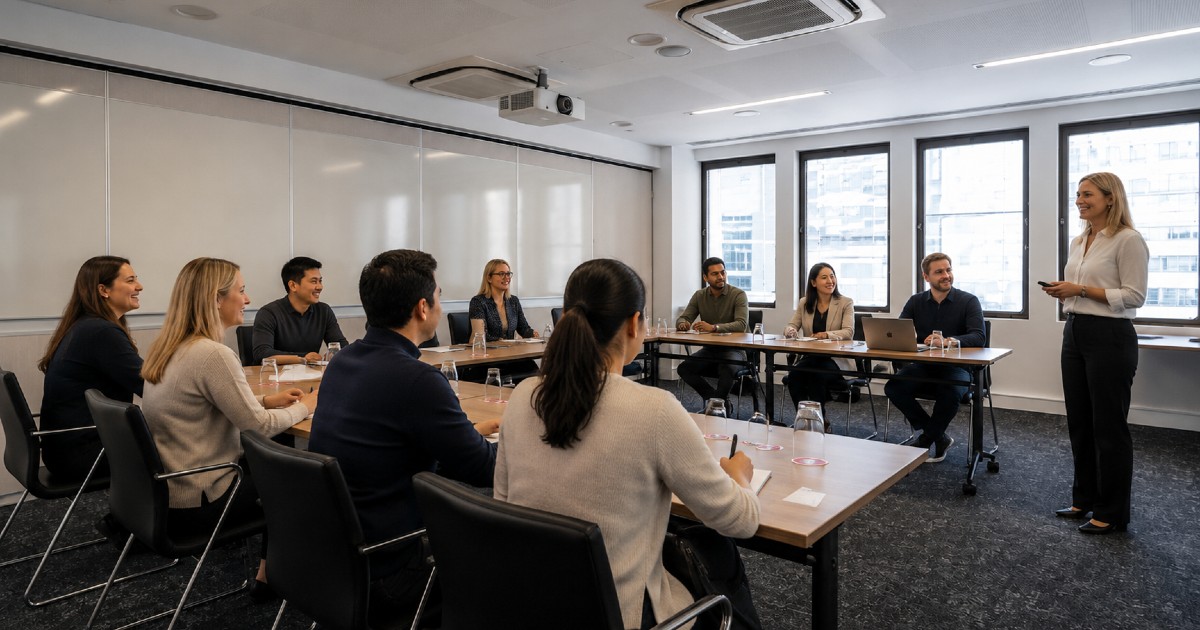
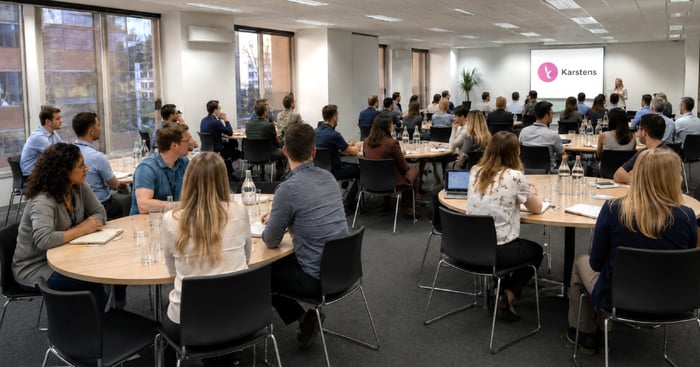
Natural light in training rooms can support comfort, alertness, focus and the overall delegate experience. While strong content, skilled facilitators and the right room setup remain essential, the physical learning environment also plays an important role in how adults engage during training.
For corporate training, workshops, professional development and full-day learning programs, a bright and comfortable room can help delegates feel more energised and ready to participate.
Why Does Natural Light Matter in Training Rooms?
Natural light matters because it can help create a more comfortable, open and pleasant learning environment. For full-day training and business workshops, lighting can influence how delegates feel, how long they stay focused and how positively they experience the session.
Natural Light and Attention
Training sessions often require delegates to listen, take notes, use laptops, discuss ideas and complete activities. A well-lit room can help support alertness, especially during longer sessions where fatigue may build throughout the day.
Natural Light and Comfort
Natural light can make a training room feel more open, welcoming and less tiring. This can be especially valuable when delegates are attending a full-day or multi-day program.
Natural Light and Delegate Experience
The room environment contributes to how delegates judge the quality of a training event. A bright, professional and comfortable room can create a stronger first impression and support a more positive learning experience.
How Natural Light Supports Adult Learning
Adult learners are often balancing work pressures, emails, travel and competing priorities. A comfortable training environment can help them settle into the session and stay engaged.
Adults Need Focus
Lighting, acoustics, temperature, seating and room layout all affect concentration. Natural light is one part of the broader learning environment that can help make the room feel easier to work in.
Adults Need Energy
Full-day training requires regular breaks, refreshments, comfortable seating and a room environment that supports energy. Natural light can contribute to a brighter, more energising space.
Adults Need a Professional Environment
A well-presented room helps delegates feel that the training is organised and worthwhile. Natural light, where available, can support a more polished and professional setting.
Natural Light vs Artificial Lighting
Artificial lighting is still important. Training rooms need suitable lighting for presentations, screen visibility, evening sessions and rooms without windows. The best environments balance natural light with controllable lighting.
Benefits of Natural Light
Natural light can make rooms feel more spacious, comfortable and visually appealing. It may also reduce the sense of tiredness that can occur in enclosed or poorly lit rooms.
Importance of Controlled Lighting
A room with natural light should still have blinds, shades or lighting control where possible. Presentations, video content and hybrid meetings may require adjusted lighting so screens remain clear.
Avoiding Glare
Natural light should not create glare on screens, laptops or delegate workspaces. Room setup, seating direction and screen position should be considered before the event.
Natural Light and Training Room Layout
The room layout should make the most of natural light without compromising visibility, comfort or technology.
Classroom Layout
Classroom layout can benefit from natural light when delegates still have clear screen visibility. It is useful for structured training, note-taking and laptop-based learning.
Cabaret Layout
Cabaret layouts can feel more open and comfortable in naturally lit rooms. This setup supports group discussion, workshops and collaborative learning.
U-Shape Layout
U-shape layouts can work well in bright rooms because delegates can see each other and the facilitator clearly. This supports discussion-based learning and leadership training.
Hybrid Training Layout
Lighting is important for hybrid training because cameras need balanced light. Remote participants should be able to see the facilitator and in-room delegates clearly.
Why Natural Light Matters for Full-Day Training
Full-day training can be demanding. Delegates need to remain alert, comfortable and engaged across multiple sessions.
Reducing Fatigue
Natural light, regular breaks, movement and refreshments all contribute to comfort. A well-lit room can help reduce the closed-in feeling that sometimes occurs during long training days.
Supporting Breaks and Reset Time
Breakout spaces and refreshment areas with natural light can help delegates reset between sessions. This supports informal discussion, networking and mental recovery.
Improving the Feel of the Room
A bright room can feel more spacious and welcoming. This can make a training day feel less tiring and more professional.
Other Venue Factors That Support Learning
Natural light is valuable, but it should be considered alongside other venue features.
Ergonomic Seating
Comfortable seating matters during long sessions. Poor seating can affect attention, posture and overall satisfaction.
Table Space
Delegates may need laptops, notebooks, workbooks, water, course materials and activity space. The layout should provide enough room for practical learning.
Acoustics
Clear sound helps delegates follow the facilitator and participate in discussion. Poor acoustics can make learning harder.
Temperature Control
A comfortable room temperature supports attention across the day. Rooms that are too hot or too cold can quickly reduce focus.
AV and Wi-Fi
Reliable AV and Wi-Fi are essential for modern training. Presenters may need screens, microphones, video playback, online learning tools, shared documents and hybrid platforms.
Catering and Breaks
Food, drinks and well-timed breaks support energy and delegate satisfaction. Catering should suit the agenda and dietary requirements.
What to Look for in a Naturally Lit Training Room
When booking a training room, consider:
- natural light where available
- blinds or lighting control
- clear screen visibility
- limited glare
- ergonomic seating
- suitable table space
- good acoustics
- reliable Wi-Fi
- built-in AV
- hybrid meeting capability
- breakout spaces
- catering and dietary support
- onsite support
- convenient CBD access
Common Mistakes When Choosing a Training Room
Choosing Natural Light Without Checking Glare
A bright room still needs good screen visibility. Check whether sunlight affects screens, laptops or presenter visibility.
Ignoring Layout
Natural light should support the training layout, not create awkward seating angles or uncomfortable glare.
Forgetting Hybrid Requirements
Hybrid training needs balanced lighting, suitable camera placement, microphones and reliable internet.
Choosing by Appearance Only
A room may look impressive but still need to support comfort, AV, Wi-Fi, catering, breakout space and facilitator movement.
How Karstens Supports Better Training Environments
Karstens provides purpose-built conference and training venues inMelbourne, Sydney, Brisbane, Perth and Adelaide.
Karstens supports organisers with CBD locations, flexible room layouts, ergonomic seating, natural light where available, built-in AV, reliable Wi-Fi, hybrid capability, catering and dietary management, breakout spaces, onsite support and professional event coordination.
The Karstens team can help organisers choose a room based on training objectives, delegate numbers, layout, technology requirements, catering needs and delegate comfort.
Conclusion
Natural light can improve the learning environment by supporting comfort, alertness, mood and delegate experience. However, it works best when combined with the right room layout, seating, AV, Wi-Fi, catering, breakout spaces and onsite support.
For training managers and event organisers, natural light should be considered as part of the complete venue selection process, not as the only deciding factor.
Contact Karstens to discuss training rooms, natural light where available, room layouts, AV, hybrid requirements, catering and current venue options.
Frequently Asked Questions
Why Is Natural Light Important in Training Rooms?
Natural light can help create a more comfortable and energising training environment. It can support attention, reduce the closed-in feeling of long sessions and improve delegate experience.
Does Natural Light Improve Learning?
Natural light can support learning by contributing to comfort, alertness and focus. It does not guarantee better learning outcomes, but it is one important factor in a well-designed training environment.
Is Natural Light More Important Than Room Layout?
No. Natural light is important, but room layout, seating, AV, Wi-Fi, acoustics, catering and facilitator support are also essential.
How Does Lighting Affect Delegate Comfort?
Good lighting helps delegates see clearly, stay alert and feel comfortable. Poor lighting or glare can make note-taking, screen viewing and laptop use harder.
What Should I Check When Booking a Naturally Lit Training Room?
Check screen visibility, glare, blinds, seating angles, lighting control, AV, Wi-Fi, table space, acoustics and hybrid meeting requirements.
Can Natural Light Affect Hybrid Training?
Yes. Lighting can affect camera quality and how remote participants see the room. Balanced lighting, camera placement and microphone coverage should be planned before the session.
What if a Training Room Does Not Have Natural Light?
A room without natural light can still work well if it has good artificial lighting, comfortable seating, reliable AV, strong Wi-Fi, good acoustics and well-planned breaks.
How Do I Choose the Best Training Room for Adult Learners?
Choose a room based on learning objectives, layout, comfort, technology, catering, breakout spaces, accessibility, location and onsite support.
To assist you with planning click hyperlink the complete guide to corporate training venues