
9 Essential Venue Checks for Multi-City Conference Planning
Booking conference venues across multiple Australian CBDs requires more than finding available rooms. Event agencies and professional associations need venues that deliver consistent delegate experiences, reliable technology and professional support in every city.
This guide covers nine practical checks that help agencies and associations evaluate venues for conferences, training programs, stakeholder sessions, board meetings and corporate events across Melbourne, Sydney, Brisbane, Perth and Adelaide.
Quick guide: 9 checks for multi-city conference venue selection
- CBD location and delegate access: Central positioning near transport, hotels and business districts
- Room standards and flexible layouts: Consistent quality with adaptable configurations
- Built-in audiovisual equipment: Integrated technology with onsite technical support
- Hybrid conferencing capability: Professional cameras, microphones and reliable bandwidth
- Catering quality and dietary management: Fresh options with proper dietary accommodation
- Transparent pricing and inclusions: Clear packages without hidden charges
- Dedicated account management: Single national contact for multi-city coordination
- Breakout spaces and delegate comfort: Natural light, ergonomic seating and networking areas
- Onsite event support: Professional teams from setup through pack-down
How to evaluate conference venues for multi-city events
Selecting venues across several cities involves more than comparing room hire rates. Agencies and associations running national programs need systematic evaluation criteria that help predict actual event outcomes.
The following methodology focuses on factors that directly affect delegate experience, presenter success and organiser workload. Each check addresses a specific aspect of venue capability that matters when delivering consistent corporate events across Australian CBDs.
- Location accessibility: How easily can delegates reach the venue by public transport, taxi or car?
- Room functionality: Do spaces support the specific format of your event, whether training, conference or workshop?
- Technology reliability: Is AV equipment built in and supported by experienced staff?
- Service consistency: Will delegates experience the same standards in every city?
- Commercial clarity: Are pricing, inclusions and terms straightforward to understand?
- Operational support: Does the venue team actively help with event coordination?
- Delegate wellbeing: Do facilities support comfort and engagement throughout full-day programs?
The 9 venue checks for multi-city conference booking
1. Karstens: Purpose-built conference centres with national consistency
Karstens operates purpose-built conference and training venues across Melbourne, Sydney, Brisbane, Perth and Adelaide. Each venue sits in the central CBD, close to public transport, hotels and major business districts. For event agencies and associations delivering conferences, training programs, stakeholder sessions and corporate events across multiple cities, Karstens provides consistent room standards, built-in technology and professional onsite support.
The Karstens approach addresses one of the most significant challenges in multi-city event delivery: maintaining consistent delegate experiences regardless of location. Presenters can walk into any Karstens venue and find familiar room configurations, reliable AV equipment and experienced event teams ready to support their program.
Unlike hotel function rooms or coworking spaces, Karstens venues are designed specifically for business events. Rooms feature natural light, ergonomic furniture, flexible layouts and spacious breakout areas that support networking and refreshment breaks. In-house catering includes fresh, healthy options served around your agenda, with continuous Nespresso coffee and tea available throughout the day.
Karstens features
- National CBD network: Five central locations with easy delegate access via public transport, taxi and car across Melbourne, Sydney, Brisbane, Perth and Adelaide
- Consistent room standards: Purpose-built spaces with natural light, climate control, ergonomic seating and pillar-free sightlines in every city
- Integrated AV technology: Built-in screens, projectors, microphones and reliable Wi-Fi included in venue packages
- Hybrid event support: Professional cameras, room microphones and video conferencing capability with onsite technical assistance
- Dedicated account management: One national contact coordinating bookings, preferences and logistics across all locations
- All-inclusive packages: Transparent pricing combining room hire, catering, AV, refreshments and onsite support
Karstens pros and cons
Pros:
- Consistent venue standards across five major Australian CBDs reduce planning complexity for national programs
- Built-in AV equipment and onsite technical support minimise technology risks during presentations
- Single account manager provides streamlined coordination for repeat and multi-city bookings
Cons:
- Focus on corporate events means social functions may suit other venue types
- Peak periods may require advance booking in popular locations
- CBD-focused network does not extend to suburban or regional areas
2. CBD location and delegate access
Central CBD positioning affects delegate attendance more than many organisers realise. Venues close to train stations, tram stops, bus routes and taxi ranks reduce travel stress and improve punctuality. For interstate attendees, proximity to hotels and airports simplifies logistics.
When evaluating venues across multiple cities, check transport accessibility consistently. A venue that feels central in Melbourne may have different access characteristics than one described as central in Perth.
Location check features
- Transport proximity: Walking distance to major public transport stops and taxi ranks
- Building access: Clear street-level signage and straightforward entry for first-time visitors
- Nearby accommodation: Quality hotels for interstate delegates attending multi-day programs
Location check pros and cons
Pros:
- Central locations support punctual event starts and reduce delegate stress
- CBD positioning reinforces professional event presentation
- Accessible venues improve attendance rates for dispersed delegate groups
Cons:
- CBD venues may have limited onsite parking compared to suburban alternatives
- Central locations typically command premium positioning
- Peak-hour traffic can affect driving delegates in some cities
3. Room standards and flexible layouts
Room quality should be consistent across every city in your program. Natural light, ceiling height, acoustic treatment, climate control and furniture quality all affect how delegates feel during full-day sessions.
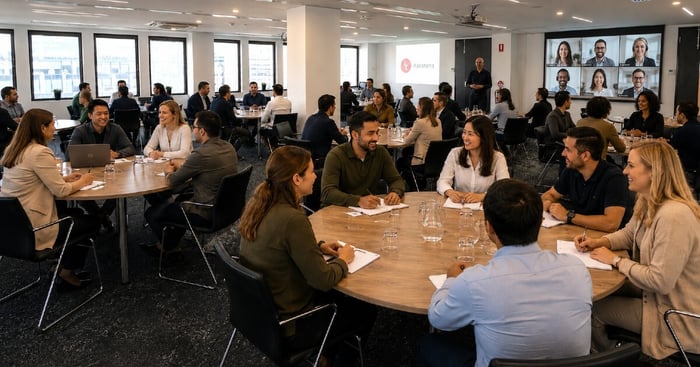
Different event formats require different room configurations. Theatre style suits keynote presentations. Classroom supports training and note-taking. Cabaret encourages discussion. Boardroom and U-shape layouts work for executive meetings and strategic planning sessions.
Room standards features
- Flexible configurations: Multiple layout options including theatre, classroom, cabaret, boardroom and U-shape
- Environmental quality: Natural light, ergonomic seating and climate control for all-day comfort
- Room resizing: Ability to adjust space allocation if final delegate numbers change
Room standards pros and cons
Pros:
- Flexible layouts allow you to match room configuration to specific event objectives
- Consistent standards reduce the risk of unpleasant surprises in unfamiliar cities
- Quality furniture and environment support delegate engagement and learning outcomes
Cons:
- Some venues limit layout changes during multi-session events
- Room resizing may not be available at all locations
- Premium room standards are not universal across the market
4. Built-in audiovisual equipment
Technology failure during presentations damages professional credibility. Screens that will not connect, microphones that cut out and projectors that display incorrectly create stress for presenters and negative impressions for delegates.
Purpose-built conference centres typically integrate AV equipment into rooms as standard. This approach reduces compatibility issues and setup time compared to venues where presenters must bring or hire equipment separately.
Audiovisual features
- Integrated systems: Built-in screens, projectors, and speaker systems ready for immediate use
- Reliable connectivity: Fast Wi-Fi with bandwidth suitable for video streaming and large delegate groups
- Technical support: Onsite staff who can troubleshoot issues quickly during events
Audiovisual pros and cons
Pros:
- Built-in equipment minimises technical risks and setup complications
- Onsite support provides immediate assistance when issues arise
- Consistent AV standards help presenters prepare confidently for any location
Cons:
- Some venues charge extra for AV equipment that purpose-built centres include
- Older venues may have less reliable or dated technology
- External AV providers can introduce coordination complexity
5. Hybrid conferencing capability
Many corporate events now include remote participants who need to see, hear and engage clearly with in-room content. Hybrid capability requires more than standard video conferencing setup.
Effective hybrid events need professional cameras positioned to capture presenters and room dynamics, quality microphones that pick up both presenter speech and audience questions, and sufficient bandwidth to support stable video transmission.
Hybrid capability features
- Professional equipment: Cameras and microphones designed for room-scale video conferencing
- Platform support: Compatibility with common video conferencing platforms
- Technical assistance: Staff experienced in managing hybrid event technology
Hybrid capability pros and cons
Pros:
- Professional hybrid setup creates equal experiences for remote and in-room delegates
- Built-in capability saves the cost and complexity of hiring external equipment
- Experienced technical support reduces the risk of hybrid event failures
Cons:
- Not all venues have invested in purpose-built hybrid infrastructure
- Hybrid events require additional planning regardless of venue capability
- Remote participant engagement depends on factors beyond venue technology
6. Catering quality and dietary management
Catering influences delegate energy and event perception. Fresh food, quality presentation and proper dietary management support focus during full-day programs. Poor catering can undermine otherwise well-planned events.
In-house catering typically offers better coordination with event timing than external providers. Venues with their own catering teams can adjust break schedules, accommodate last-minute dietary requirements and present food in a way that reflects well on your organisation.
Catering features
- Fresh, quality food: Restaurant-standard menus with healthy options and menu variety
- Dietary accommodation: Professional management of vegetarian, vegan, gluten-free, dairy-free and allergy requirements
- Flexible timing: Ability to coordinate break schedules around your agenda rather than fixed meal times
Catering pros and cons
Pros:
- Quality catering supports delegate energy and positive event perception
- In-house catering allows better coordination with your program schedule
- Proper dietary management protects delegates with restrictions and reflects professional organisation
Cons:
- Catering quality varies significantly between venue types and providers
- Some venues outsource catering, reducing coordination flexibility
- Complex dietary requirements need advance communication regardless of venue
7. Transparent pricing and inclusions
Comparing venue quotes requires looking beyond room hire rates. A low headline price can become expensive once AV hire, Wi-Fi, technical support, catering upgrades, setup changes, overtime charges and minimum spend requirements are added.
Request itemised quotes showing what each package includes and what costs extra. Compare total value per delegate across room hire, catering, technology, support and flexibility terms.
Pricing transparency features
- Clear inclusions: Detailed breakdown of what the package covers
- No hidden charges: Upfront disclosure of any additional fees
- Flexible terms: Reasonable policies for final number adjustments and cancellations
Pricing transparency pros and cons
Pros:
- Transparent pricing helps you prepare accurate budgets and client proposals
- Inclusive packages simplify comparison between venue options
- Clear terms reduce the risk of post-event billing disputes
Cons:
- Itemised comparisons require careful attention to detail
- Some venues deliberately obscure full costs in initial quotes
- Complex events may still require custom pricing regardless of standard packages
8. Dedicated account management
One of the most valuable aspects of working with a national venue partner is simplified coordination. Instead of managing separate contacts, contracts and service expectations in every city, you work through one account manager who understands your requirements.
A dedicated contact can coordinate dates across locations, maintain consistent setup preferences, handle multi-city quotes efficiently and reduce duplicated communication for repeat programs.
Account management features
- Single national contact: One person coordinating bookings across all cities
- Preference continuity: Your setup requirements and preferences carried across locations
- Proactive coordination: Regular communication about availability, changes and opportunities
Account management pros and cons
Pros:
- Single contact reduces administrative workload for multi-city programs
- Dedicated account managers build understanding of your specific requirements over time
- National coordination improves consistency across geographically dispersed events
Cons:
- Not all venue providers offer dedicated account management
- Account manager effectiveness depends on individual capability and availability
- Complex programs may still require direct venue-level communication
9. Breakout spaces and delegate comfort
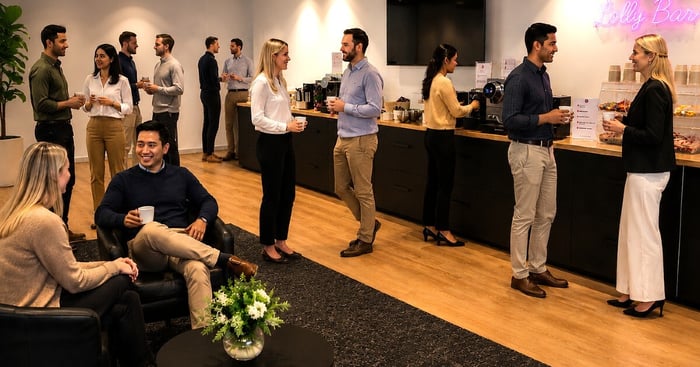
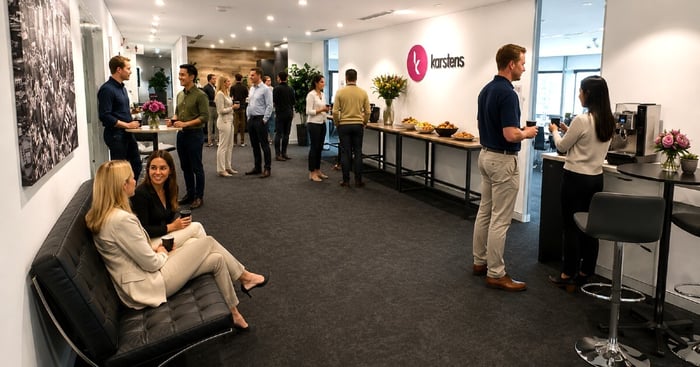
Full-day conferences and training programs require more than main meeting spaces. Delegates need comfortable breakout areas for refreshment breaks, informal discussions and networking. The quality of these spaces affects overall event experience.
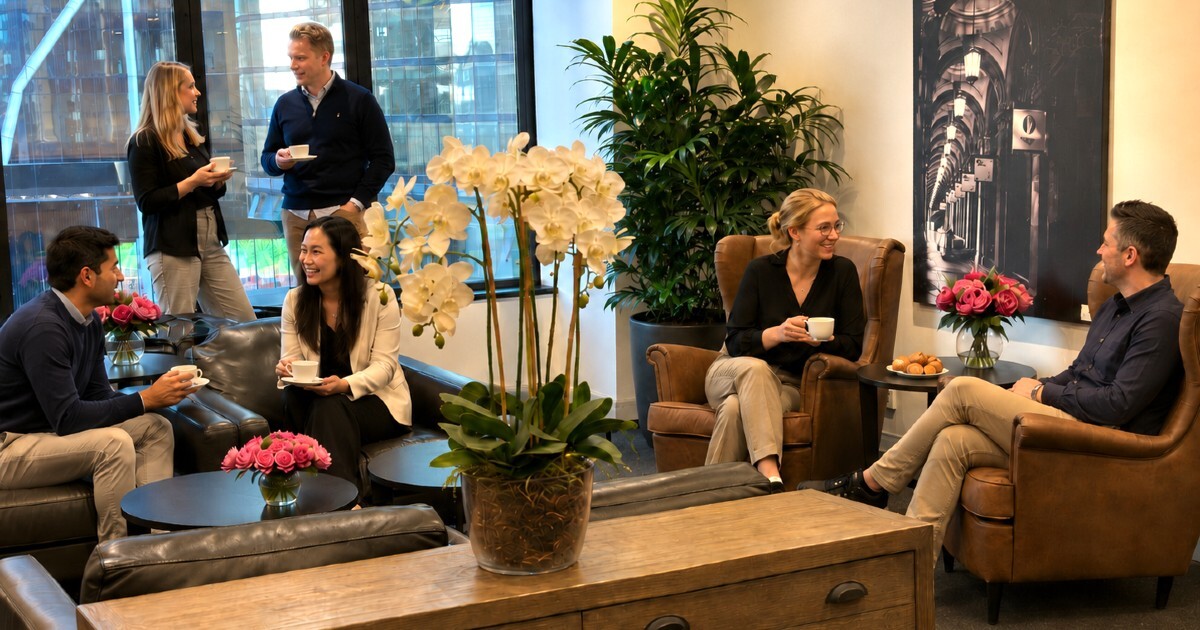
Natural light, comfortable seating, adequate space and thoughtful amenities contribute to delegate wellbeing. Venues designed specifically for corporate events typically invest more in these supporting spaces than multi-purpose facilities.
Breakout space features
- Spacious areas: Room for delegates to move, network and refresh comfortably
- Natural environment: Light, fresh air and pleasant surroundings
- Continuous refreshments: Coffee, tea and water available throughout the day
Breakout space pros and cons
Pros:
- Quality breakout spaces support delegate energy and networking opportunities
- Comfortable environments reduce fatigue during intensive programs
- Thoughtful amenities reflect well on event organisers
Cons:
- Breakout space quality varies significantly between venue types
- Some venues prioritise main rooms over supporting areas
- Peak-period bookings may reduce exclusive access to shared breakout facilities
Comparison table: Multi-city conference venue evaluation criteria
| Evaluation Criteria | Purpose-Built Centres | Hotel Venues | Coworking Spaces |
|---|---|---|---|
| Built-in AV | ✓ Included | ✗ Often extra | ✗ Often extra |
| Onsite technical support | ✓ Dedicated staff | ✗ Variable | ✗ Limited |
| Hybrid event capability | ✓ Professional setup | ✗ Basic or extra | ✗ Basic |
| In-house catering | ✓ Coordinated | ✓ Available | ✗ External only |
| Dedicated account management | ✓ National contact | ✗ Per-property | ✗ Per-location |
What makes purpose-built venues different from hotel conference facilities?
Hotel conference rooms often serve as secondary revenue streams alongside accommodation operations. Staff priorities may split between restaurant service, front desk duties and event support. AV equipment may require external hire. Room configurations may feel dated or inflexible.
Purpose-built conference centres exist specifically for business events. Every aspect of the facility, from room design to technology integration to staff training, focuses on successful event delivery. This specialisation typically results in more reliable technology, better-trained event teams and spaces optimised for corporate learning and collaboration.
For agencies and associations running national programs where consistency matters, purpose-built venues reduce the operational variability that hotel facilities sometimes introduce.
How should event agencies approach venue site inspections?
Site inspections help verify that venues match their promotional materials and your specific requirements. When inspecting venues across multiple cities, use consistent evaluation criteria to enable meaningful comparisons.
Check room quality, lighting, acoustics and sightlines. Test technology connectivity and AV equipment. Assess breakout space comfort and catering presentation areas. Meet event staff and understand their role during bookings.
For remote cities where in-person inspections are impractical, request detailed photos, videos and references from organisations with similar event requirements.
Why Karstens is the leading choice for multi-city conference venue selection
Karstens addresses the core challenges that event agencies and associations face when booking conference venues across multiple Australian CBDs. The national network of purpose-built venues delivers consistent room standards, integrated technology and professional event support in Melbourne, Sydney, Brisbane, Perth and Adelaide.
With dedicated account management, transparent all-inclusive packages and venues designed specifically for corporate events, Karstens reduces the planning complexity that often accompanies multi-city programs. Organisers can focus on content and delegates rather than venue coordination.
For agencies and associations delivering training programs, stakeholder sessions, board meetings and corporate conferences across Australia, Karstens provides the consistency, reliability and professional environment that successful events require. Contact Karstens to discuss your multi-city conference venue requirements.
FAQs about multi-city conference venue selection
What should event agencies look for when booking conference venues across multiple cities?
Event agencies should evaluate CBD location and transport access, room quality and layout flexibility, built-in AV equipment and technical support, hybrid conferencing capability, catering quality, pricing transparency and dedicated account management. Karstens addresses all these criteria with purpose-built venues across five Australian CBDs.
How do purpose-built conference centres differ from hotel meeting rooms?
Purpose-built centres like Karstens are designed specifically for business events, with integrated AV technology, dedicated event staff and spaces optimised for corporate learning and collaboration. Hotel meeting rooms often serve as secondary facilities with variable technology and split staff priorities.
Why is a single account manager valuable for multi-city conference booking?
A dedicated account manager simplifies coordination by handling quotes, bookings and logistics across all locations. Karstens provides one national contact who understands your requirements and maintains consistent service standards in every city.
What AV equipment should conference venues include as standard?
Conference venues should include screens, projectors, microphones, speakers and reliable Wi-Fi as standard. Karstens includes built-in AV equipment and onsite technical support in venue packages, reducing technology risks during presentations.
How can associations ensure consistent delegate experiences across different cities?
Associations can ensure consistency by partnering with a venue provider that operates purpose-built facilities with uniform standards. Karstens delivers consistent room quality, technology, catering and service across Melbourne, Sydney, Brisbane, Perth and Adelaide.
What catering considerations matter for full-day conferences?
Full-day conferences require fresh food, quality presentation, proper dietary accommodation and flexible timing that coordinates with your agenda. Karstens provides in-house catering with healthy options and continuous refreshments throughout the day.