
How to Choose CBD Venues for Meetings and Training
Finding the right venue for your next executive meeting or full-day training session starts with understanding what makes a business conference space effective. The difference between a productive event and a frustrating one often comes down to the venue itself. From audiovisual reliability to delegate comfort, every detail matters when your reputation is on the line.
This guide walks you through the essential criteria for choosing business conference venues in Australian CBDs. Whether you are organising a boardroom meeting for 20 executives or a training program for 100 delegates, you will find practical guidance to help you make an informed decision. Karstens has supported organisations since 2006 with venues designed specifically for these needs, and the insights below draw on that operational experience.
By the end, you will understand how to evaluate capacity, location, technology, catering and support to ensure your event runs smoothly from arrival to wrap-up.
Key Takeaways: How to Choose CBD Venues for Meetings and Training
- Purpose-built venues outperform repurposed spaces for training because they are designed around delegate comfort and presenter needs.
- Central CBD locations reduce travel friction for delegates and ensure easy access to public transport, hotels and parking.
- Audiovisual equipment should be included in room hire, with on-site technical support available throughout your event.
- Flexible room configurations allow you to match layouts to session types, from boardroom discussions to classroom-style training.
- Karstens offers purpose-built venues across Melbourne, Sydney, Brisbane, Perth and Adelaide with all-inclusive day delegate packages.
What Makes a Good Business Conference Venue?
A good business conference venue does more than offer four walls and some chairs. It supports the entire event lifecycle, from the moment delegates arrive until the last person leaves. This means thoughtful design, reliable technology, comfortable environments and responsive on-site support.
Purpose-built venues are specifically designed for corporate events. Unlike repurposed hotel function rooms or shared office spaces, they feature pillar-less rooms, natural light, ergonomic seating and spacious breakout areas. These elements matter for all-day events where delegate focus and comfort directly impact outcomes.
Why Purpose Matters More Than Aesthetics
A beautiful space counts for little if the projector fails during your keynote presentation. When evaluating venues, look beyond surface appeal to operational readiness. Does the venue include data projectors, sound systems, whiteboards and presenter boxes as standard? Is there on-site technical support if something goes wrong?
Purpose-built conference venues address these concerns by design. The technology is built in, tested daily and supported by trained staff who understand how corporate events run. This is the difference between a venue that looks professional and one that performs professionally.
How to Assess Venue Capacity for Executive Meetings
Capacity requirements vary dramatically between event types. A board strategy session for 15 people has completely different needs from a training workshop for 80 delegates. Understanding these differences helps you avoid both overcrowded rooms and spaces that feel empty.
Matching Room Size to Group Size
Start by confirming your expected numbers, then consider the layout you need. A boardroom setup for 20 people requires less floor space than a classroom arrangement for the same number. Theatre-style seating maximises capacity but limits interaction. Cabaret and U-shape configurations work well for workshops where discussion matters.
Ask venues about their published capacities for each configuration. A room that seats 100 in theatre style might only accommodate 40 in classroom format. Getting this right avoids last-minute surprises.
What About Breakout Spaces?
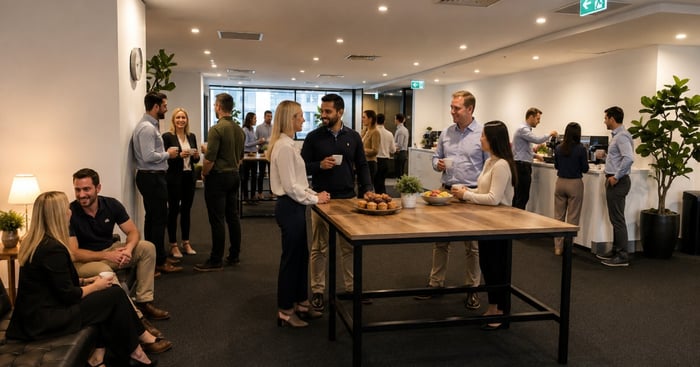
Executive meetings and training programs often include smaller group activities. Breakout spaces allow delegates to split into teams without the disruption of leaving the venue. Look for venues with dedicated breakout areas adjacent to main conference rooms.
These spaces also serve as networking zones during breaks. Spacious breakout areas with natural light, comfortable seating and refreshment stations encourage informal collaboration that enhances formal sessions.
Why CBD Location Matters for Business Events
Central Business District locations offer practical advantages that suburban or outer-city venues cannot match. Your delegates likely travel from various locations, and a CBD venue minimises overall travel time while maximising convenience.
Transport and Accessibility Considerations
CBD venues sit near major public transport hubs, making attendance easier for delegates using trains, trams or buses. For those driving, proximity to commercial parking stations matters. For interstate visitors, nearby hotels reduce the logistics of multi-day events.
Accessibility extends beyond transport. Consider lift access, hearing loops and other facilities that ensure all delegates can participate fully. Reputable venues will have addressed these requirements as part of their design.
The Professional Environment Factor
CBD venues also send a message about your organisation. A central, professionally appointed space reflects the seriousness of your event. This matters particularly for client-facing workshops, executive offsites and external training programs where perception influences outcomes.
Karstens operates venues in Melbourne, Sydney, Brisbane, Perth and Adelaide, all centrally located with access to public transport, hotels, restaurants and parking.
Audiovisual Requirements for Modern Conferences
Technology requirements have evolved significantly in recent years. Basic projection is no longer enough. Modern business events require reliable AV systems, strong Wi-Fi connectivity and hybrid conferencing capabilities for remote participants.
What Should Be Included as Standard?
The best business conference venues include audiovisual equipment in their room hire rates. This typically covers data projectors, screens, sound systems, microphones, whiteboards and presenter boxes. When these items are included rather than charged separately, you avoid unexpected costs and simplify budgeting.
Strong, reliable Wi-Fi is non-negotiable. Delegates expect to access materials, check emails and connect devices throughout the day. Ask venues about bandwidth capacity and whether the connection is dedicated or shared with other tenants.
Hybrid Event Capabilities
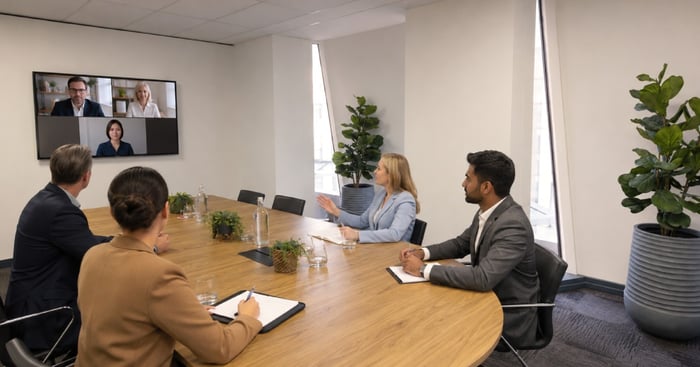
Many organisations now run hybrid events with both in-room and remote participants. This requires more than a laptop with a webcam. Proper hybrid conferencing needs professional cameras, quality microphones that capture the room clearly and technical support to manage the connection.
If hybrid capability matters for your event, ask specific questions. What equipment does the venue use? Is technical support available during the session? Can the venue accommodate platform-specific requirements like Teams, Zoom or Webex?
Catering Considerations for Full-Day Training
Catering plays a larger role than many organisers initially realise. For full-day events, food and beverage quality directly impacts delegate energy, attention and satisfaction. Poor catering creates distractions. Good catering supports productive sessions.
What Does In-House Catering Offer?
Venues with in-house catering offer significant advantages over those requiring external caterers. Coordination is simpler because one team manages both space and food. Timing is more reliable because kitchen staff know exactly when sessions break. Quality is more consistent because the venue controls the entire experience.
Look for menus designed specifically for corporate events. This means healthy options that maintain energy levels, variety that accommodates different preferences and presentation that reflects the professional standard of the venue itself.
Managing Dietary Requirements
Modern catering must accommodate diverse dietary needs. At minimum, expect venues to handle vegetarian, gluten-free, halal and kosher requirements without difficulty. Ask how the venue manages dietary information and whether individual requirements can be accommodated with advance notice.
Karstens offers hospitality-led catering with restaurant-quality menus served in breakout areas. This includes accommodation of common dietary requirements and the flexibility to adjust final numbers close to the event date.
Room Configuration Options for Different Event Types
The right room layout maximises engagement and supports your session objectives. Different formats suit different purposes, and flexible venues allow you to choose or even change configurations between sessions.
Boardroom Style
Boardroom configuration places delegates around a central table, typically seating 12 to 24 people depending on room and table size. This setup suits executive meetings, board discussions and strategic planning sessions where eye contact and direct conversation matter.
The format encourages equal participation and works well for decision-making sessions. However, it limits capacity and does not suit events requiring presentation to a larger audience.
Classroom Style
Classroom configuration arranges delegates in forward-facing rows with individual desks or tables. This setup suits training sessions, workshops and educational programs where delegates need writing space and clear sightlines to a presenter or screen.
Capacity is moderate, typically allowing 30 to 60 delegates depending on room size. The format supports note-taking and individual work while maintaining focus on the presenter.
Theatre Style
Theatre configuration maximises capacity by arranging chairs in forward-facing rows without tables. This suits presentations, keynote speeches and large briefings where the audience primarily listens rather than writes or interacts.
While efficient for numbers, theatre style limits interaction and does not suit sessions requiring delegate activities or extended note-taking.
U-Shape and Cabaret Configurations
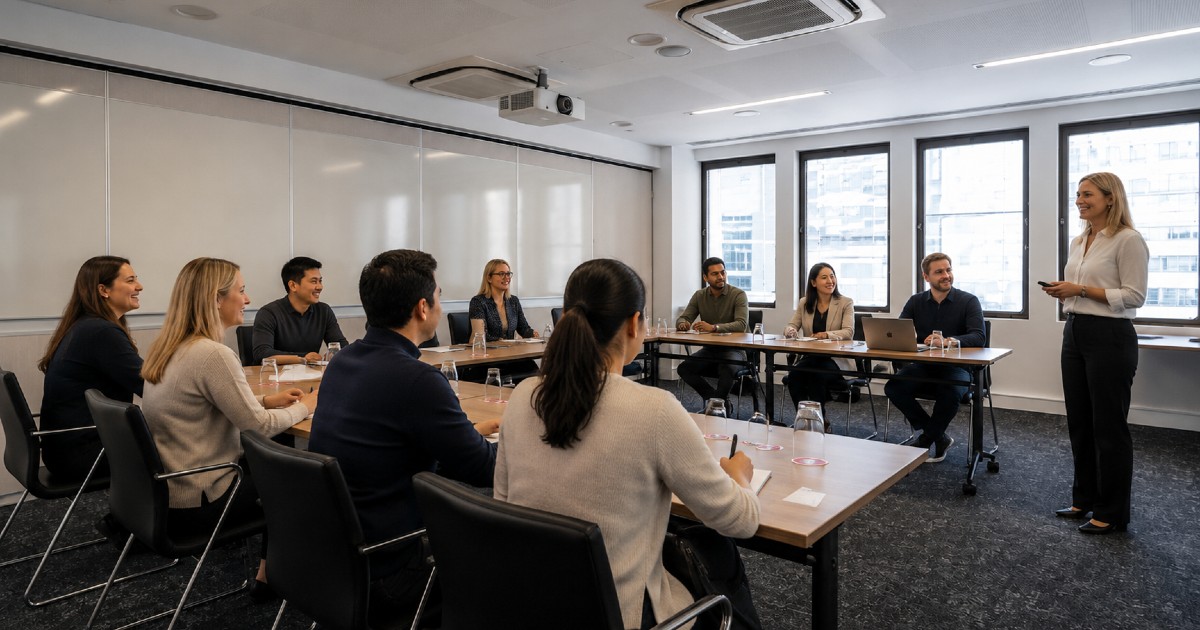
U-shape arranges delegates around three sides of a rectangle, creating an open centre. This suits facilitated discussions, interactive workshops and sessions where the presenter moves among participants.
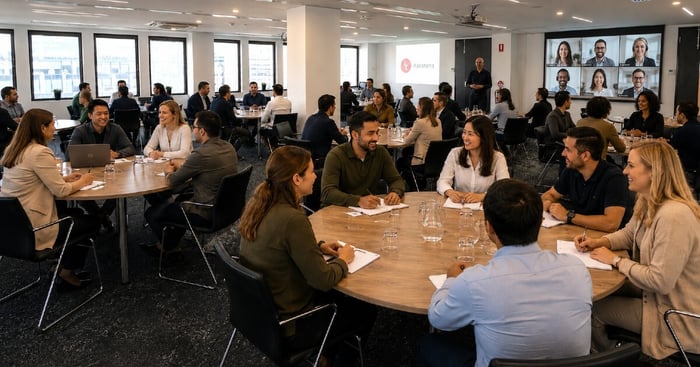
Cabaret configuration places delegates at round tables arranged around the room. This encourages small group discussion and team activities while allowing all tables to see a central presentation area. Both formats balance capacity with interaction.
What to Look for When Inspecting Venues
Site inspections reveal details that photographs and brochures cannot capture. Before committing to any venue, visit in person during business hours when you can assess the space in operation.
Physical Environment Checklist
During your inspection, evaluate natural light, ceiling height, acoustics and temperature control. Rooms with abundant natural light help delegates stay alert during long sessions. High ceilings create a sense of space that prevents fatigue. Good acoustics ensure speakers can be heard clearly. Climate control should maintain comfortable temperatures regardless of outside conditions or room occupancy.
Check the furniture quality. Ergonomic seating matters enormously for full-day events. Delegates who are uncomfortable become distracted and less productive. Look for quality chairs that support good posture throughout extended sessions.
Technology and Support Assessment
Test the AV equipment yourself if possible. Is the projector bright enough with lights on? Does the sound system cover the entire room? Are power outlets accessible from delegate positions? Is the Wi-Fi actually fast?
Ask about technical support. What happens if something fails during your event? Is there on-site staff who can respond immediately, or would you need to wait for external support?
Understanding Venue Pricing and Packages
Venue pricing models vary significantly. Some charge room hire separately from equipment, catering and support. Others bundle everything into a single rate. Understanding these differences helps you compare options accurately.
Day Delegate Packages Explained
Day delegate packages combine room hire, standard AV equipment, catering and refreshments into a single per-person rate. This simplifies budgeting and eliminates surprise costs. You know exactly what you are paying before the event begins.
When evaluating day delegate packages, check what is included. The most inclusive packages cover morning tea, lunch, afternoon tea, coffee and tea throughout the day, and all standard AV equipment. Less inclusive packages may charge separately for items like afternoon refreshments or technical support.
What About Additional Costs?
Even with inclusive packages, some items may attract additional charges. Pre-event setup outside standard hours, specialised equipment not included in standard AV, additional catering requirements and extended hire beyond standard times typically cost extra.
Ask for a complete breakdown before booking. Transparent pricing with clearly listed inclusions allows accurate budget planning without unexpected invoices after the event.
How Karstens Supports Executive Meetings and Training
Karstens has built its reputation on purpose-built venues designed specifically for business events. Understanding how a specialist provider approaches these requirements illustrates what to look for when evaluating any venue.
Purpose-Built Design Philosophy
Every Karstens venue was designed from the ground up for corporate events. This means pillar-less rooms that maximise sightlines, abundant natural light that supports alertness, ergonomic furniture that maintains comfort and spacious breakout areas that encourage collaboration.
The built-in technology includes data projectors, sound systems, whiteboards and presenter boxes as standard in every room. On-site technical staff support hybrid conferencing and respond immediately if any issues arise.
National Consistency Across CBD Locations
For organisations running multi-city programs, consistency matters. Karstens maintains the same service standards and facility quality across venues in Melbourne, Sydney, Brisbane, Perth and Adelaide. A single national point of contact coordinates bookings across multiple cities, reducing administrative burden for organisers managing national training rollouts.
Flexible Booking Policies
Event planning involves uncertainty. Numbers change, dates shift and requirements evolve. Karstens offers flexibility to adjust final numbers, catering and timing close to the event date. Online confirmation is available without deposits required under specified thresholds, and cancellation policies allow changes without penalty when notice is given at least 15 days before the event.
Common Mistakes to Avoid When Booking Venues
Experience reveals patterns in what goes wrong with venue bookings. Avoiding these common mistakes saves time, money and stress.
Booking Based on Photos Alone
Marketing photographs show venues at their best. They cannot show whether the room feels cramped with your expected numbers, whether the acoustics echo uncomfortably or whether the technology actually works reliably. Always inspect in person before committing significant budget.
Underestimating Catering Requirements
Many organisers focus heavily on the room itself while treating catering as an afterthought. For full-day events, this is a significant mistake. Tired, hungry delegates disengage. Quality catering maintains energy and signals that the organisation values delegate wellbeing.
Ignoring Technical Support Needs
Assuming technology will work perfectly is optimistic at best. Even good equipment occasionally fails. The question is not whether problems might occur but how quickly they can be resolved. Venues without on-site technical support leave you scrambling during critical moments.
Forgetting About Breakout Logistics
Training programs and workshops often include breakout activities, but not all venues have appropriate spaces nearby. Sending delegates to a different floor or building for small group work disrupts session flow and wastes time. Check breakout provision during your site inspection.
Planning Timeline for Major Events
Good venue booking requires adequate lead time. The timeline varies by event size, location and season, but general guidelines help ensure you secure appropriate space without last-minute pressure.
Large Conferences and Multi-Day Programs
For events involving 50 or more delegates, or programs spanning multiple days, begin venue sourcing at least three to six months ahead. Popular venues in major CBDs book quickly, particularly during peak periods. Early booking also allows time for site inspections, contract review and detailed planning.
Executive Meetings and Smaller Training Sessions
Smaller events may require less lead time, but two to four weeks minimum is advisable. This allows for proper venue assessment, catering coordination and delegate communication. Last-minute bookings limit your options and may result in compromised choices.
Seasonal Considerations
Demand for business conference venues follows predictable patterns. February through May and August through November typically see highest demand. December and January are quieter due to holiday periods. Planning major events for shoulder periods may offer better availability and potentially more flexible terms.
Questions to Ask During Venue Consultations
Effective venue consultations cover both obvious requirements and details that organisers often overlook. Use these questions to ensure you gather the information you need.
About the Space
What is the capacity for my required configuration? Can the room be divided or combined with adjacent spaces? What is the natural light situation throughout the day? Is the space accessible for delegates with mobility requirements?
About Technology
What AV equipment is included in the room hire? Is Wi-Fi dedicated or shared? What hybrid conferencing equipment is available? Is on-site technical support included?
About Catering
Is catering in-house or outsourced? What dietary requirements can be accommodated? When do you need final numbers? Can menus be customised?
About Support and Logistics
What are standard hire hours? What is the policy for early access or late finish? How do delegates check in on arrival? What happens if numbers change close to the event?
Making Your Final Decision
After research, inspections and consultations, the decision comes down to matching venue capabilities with your specific requirements. Prioritise the factors that matter most for your particular event.
For Executive Meetings
Prioritise professional environment, boardroom quality, technology reliability and central location. These events often involve senior stakeholders where impression matters as much as functionality.
For Full-Day Training
Prioritise delegate comfort, flexible configurations, quality catering and breakout availability. Long sessions demand venues that support sustained attention and active participation.
For Multi-City Programs
Prioritise consistency, single point of contact and proven track record across locations. A provider with venues in multiple CBDs who can coordinate nationally simplifies administration significantly.
In Conclusion: Choosing the Right CBD Venue for Your Next Event
Selecting the right business conference venue requires attention to multiple factors working together. Capacity, location, technology, catering, configuration and support all contribute to event success. No single element determines outcomes, but weakness in any area creates risk.
Purpose-built venues designed specifically for corporate events offer advantages that repurposed spaces cannot match. When you combine thoughtful design with professional support and transparent pricing, you create conditions for productive, successful events.
The effort you invest in venue selection pays dividends in delegate satisfaction, presenter confidence and organisational outcomes. Take the time to research thoroughly, inspect personally and ask detailed questions. Your event deserves a venue that supports its success from first arrival to final departure.
FAQs About Choosing CBD Venues for Meetings and Training
What should I look for in a business conference venue for training?
Look for natural light, ergonomic seating, flexible room configurations and reliable AV equipment. Karstens designs its training rooms specifically to support learning, with comfortable furniture, built-in technology and spacious breakout areas for group activities.
How far in advance should I book a CBD conference venue?
For larger events or multi-day programs, book three to six months ahead. Smaller meetings may require only two to four weeks notice. Popular venues in major CBDs fill quickly during peak periods from February to May and August to November.
Are audiovisual costs usually included in venue hire?
This varies significantly between venues. Purpose-built conference venues like Karstens include data projectors, sound systems, whiteboards and presenter boxes as standard. Other venues may charge these items separately, adding unexpected costs to your budget.
What room configurations work for different event types?
Boardroom suits executive meetings requiring direct discussion. Classroom works for training where delegates need writing space. Theatre maximises capacity for presentations. U-shape and cabaret formats balance interaction with presentation capability.
How do I ensure a venue can handle dietary requirements?
Ask specifically about vegetarian, gluten-free, halal and kosher accommodations. Venues with in-house catering typically manage dietary needs more effectively. Karstens accommodates common dietary requirements and can adjust menus with advance notice.
Why choose a CBD location over suburban venues?
CBD locations offer better public transport access, nearby hotels for interstate visitors and proximity to commercial parking. Central venues also reduce overall travel time when delegates come from various locations across a metropolitan area.
What hybrid conferencing capabilities should I expect?
Effective hybrid events require professional cameras, quality microphones and dedicated technical support. Ask whether the venue can accommodate your specific platform requirements. Karstens offers hybrid conferencing support with in-house technology and on-site technical staff.
For more info on how to choose the perfect conference venue