
How to Choose a Melbourne CBD Conference Venue in 2026
Selecting a Melbourne CBD conference venue requires careful attention to your event goals, delegate needs and organisational standards. Whether you are planning a client presentation, training program, board meeting or full-day conference, the venue you choose shapes how your event is perceived and how productively delegates engage. Karstens has supported organisations since 2006 with professional event experiences designed for exactly these moments, and this guide will help you evaluate your options with confidence.
Melbourne's CBD offers a range of venue types, from hotels and serviced offices to purpose-built conference centres. Each has distinct strengths and limitations that affect your event outcomes. This guide examines the key criteria for venue selection, with particular focus on client-facing events where professionalism and delegate comfort matter most.
Key Takeaways: How to Choose a Melbourne CBD Conference Venue in 2026
- Purpose-built conference centres deliver better outcomes for corporate events than hotels or serviced offices due to focused design and dedicated support.
- Central CBD locations near public transport and accommodation improve delegate attendance and punctuality for client-facing events.
- Hybrid conferencing capabilities with professional cameras, microphones and technical support ensure remote participants receive an equal experience.
- All-inclusive packages that bundle AV, catering and support simplify planning and reduce unexpected costs for organisers.
- Karstens Melbourne offers 16 versatile rooms across three floors with built-in technology, natural light and dedicated account management.
Why Melbourne CBD Remains the Preferred Location for Corporate Events
Melbourne's central business district continues to attract corporate event organisers for practical reasons. The CBD sits at the intersection of major train lines, tram routes and arterial roads, making access straightforward for delegates travelling from across the metropolitan area or interstate. Southern Cross and Flinders Street stations connect directly to the airport via SkyBus, reducing travel friction for visitors.
The concentration of hotels, restaurants and professional services around the CBD means delegates can arrive the day before, stay nearby and access everything they need without lengthy commutes. For client-facing events, this accessibility signals professionalism and consideration for guest convenience.
What Central Location Means for Your Delegates
A venue positioned in the heart of the CBD reduces late arrivals and improves overall attendance rates. Delegates can walk from nearby hotels or public transport hubs rather than navigating unfamiliar suburbs or searching for parking in industrial areas. This matters particularly for events where punctuality affects the schedule, such as training programs with structured modules or presentations to external clients.
Proximity to quality restaurants and cafes also gives organisers flexibility for networking functions or team dinners after the main event. The CBD offers options ranging from casual lunch spots to private dining rooms for executive groups.
Purpose-Built Conference Centres vs Hotels: Understanding the Differences
When comparing venue types, the fundamental distinction lies in purpose. Hotels are designed primarily for accommodation, with meeting spaces added as secondary facilities. Purpose-built conference centres exist solely to support professional events, and every design decision reflects this focus.
This difference shows up in practical ways throughout your event. Room layouts, furniture choices, technology integration, catering arrangements and staff expertise all differ between venue types.
How Room Design Affects Delegate Engagement
Hotel meeting rooms are often located in basements or lower floors, repurposed from other uses or designed as flexible function spaces that also host weddings and social events. This typically means limited natural light, fixed wall configurations and furniture selected for versatility rather than comfort during extended business sessions.
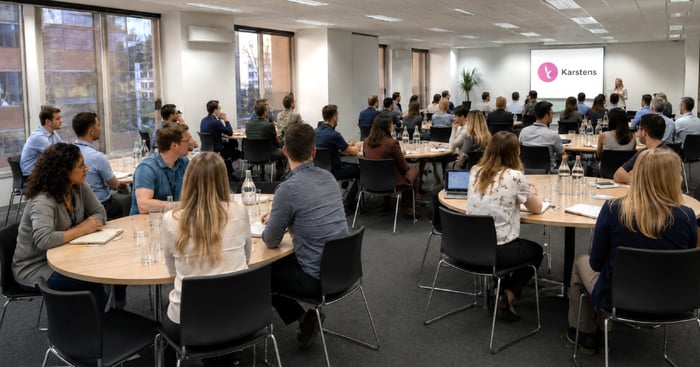
Purpose-built venues like Karstens Melbourne design every space specifically for conferences and training. Rooms feature ergonomic seating rated for all-day comfort, clear sightlines to presentation areas, pillar-free layouts and natural light from windows positioned to reduce screen glare while maintaining brightness.
Why Technology Integration Matters for Professional Events
In hotels, audiovisual equipment is frequently outsourced to third-party providers. This creates additional coordination requirements, potential setup delays on the day, and extra costs that may not be apparent during initial quoting. If technical issues arise during your presentation, help may not be immediately available.
Purpose-built conference centres integrate AV systems directly into each room. Ceiling-mounted projectors, built-in sound systems, HDMI connectivity and presentation tools are included as standard. At Karstens Melbourne, on-site technical support staff can assist with setup and troubleshoot issues immediately, ensuring your presenters feel prepared and technology works as expected.
Evaluating Hybrid Conferencing Capabilities for Modern Events
Hybrid events have become standard practice for many organisations. Connecting in-room delegates with remote participants requires more than a laptop webcam and basic microphone. Professional hybrid delivery depends on purpose-built infrastructure, reliable internet connectivity and technical support to manage both audiences effectively.
What Hybrid-Ready Venues Should Offer
A genuinely hybrid-ready venue includes professional cameras positioned to capture presenters and room layouts clearly, microphones that pick up questions from in-room delegates without background noise, and screens that allow remote participants to be visible to the room. Internet connectivity must be robust enough to handle high-definition video streaming without buffering or dropouts.
Karstens venues offers in-house hybrid conferencing technology across all locations. This means remote participants receive a professional viewing experience rather than a grainy image of someone presenting to a laptop. For client-facing events, this quality reflects directly on your organisation's standards.
Planning Hybrid Events with Remote Participant Needs in Mind
Successful hybrid events require attention to how remote participants experience the session. Consider how they will see presentation materials, hear questions from the room, and contribute to discussions. Technical rehearsals before the event help identify potential issues with camera angles, audio levels and screen sharing.
Venues with dedicated technical support can assist with these rehearsals and remain on hand during the event to adjust settings as needed. This support proves particularly valuable when presenters are unfamiliar with hybrid technology or when the event involves complex audiovisual requirements.
How to Assess Venue Professionalism for Client-Facing Events
Client-facing events carry additional considerations beyond internal meetings. The venue becomes an extension of your organisation, and every detail contributes to how clients perceive your professionalism, attention to quality and regard for their comfort.
First Impressions from Arrival to Event Start
Consider the complete delegate journey from street level to conference room. A professional venue provides clear building signage, welcoming reception areas and staff who greet delegates by name where possible. Karstens Melbourne offers meet-and-greet services at the start of events, with signage displaying your organisation's branding to make guests feel expected and valued.
The environment delegates encounter before entering the conference room sets expectations for the event itself. Calm, well-maintained breakout areas with comfortable seating, quality refreshments and natural light create positive impressions before presentations begin.
Breakout Spaces and Networking Areas
Events with multiple sessions or networking components need appropriate spaces for delegates to gather between formal segments. Hotel lobbies often mix conference delegates with tourists, families and other guests, creating a busy environment that undermines professional atmosphere.
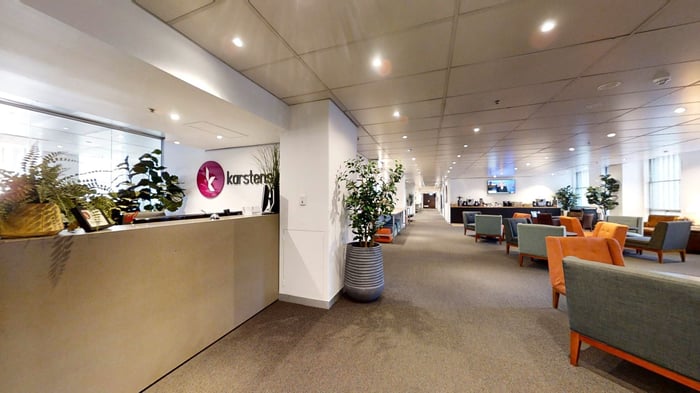
Purpose-built venues maintain dedicated breakout areas for conference delegates only. These spaces support informal conversations, refreshment breaks and networking without competing distractions. Large gallery-style breakout areas at Karstens venues enable collaboration and comfortable transitions between sessions.
All-Inclusive Packages vs Itemised Pricing: What Organisers Need to Know
Venue pricing structures vary considerably, and understanding what is included prevents unexpected costs from affecting your budget. Some venues quote attractive headline rates but exclude items that prove essential, such as data projectors, whiteboards, Wi-Fi access or technical support.
What Should Be Included in Your Venue Package
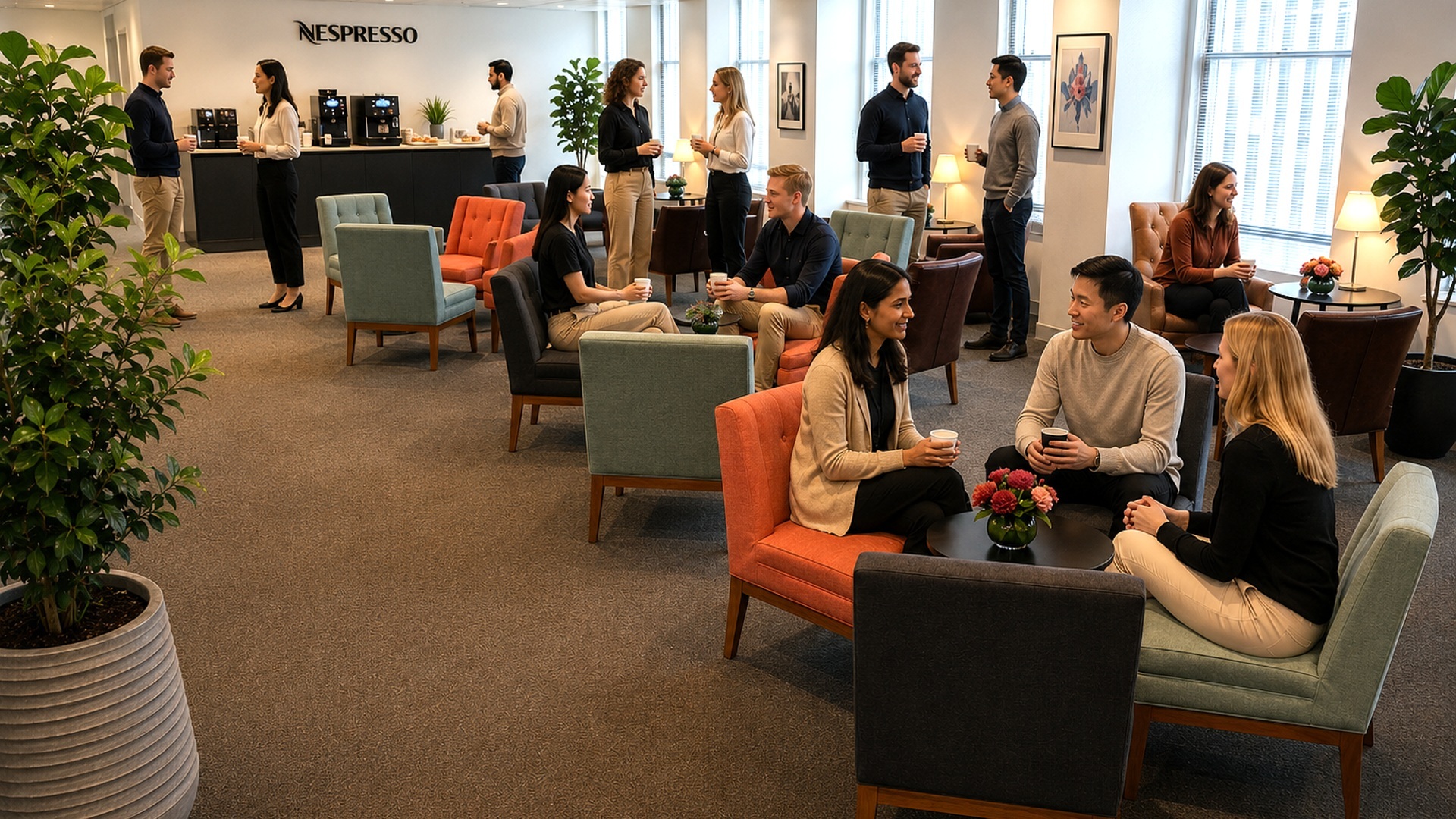
A genuinely all-inclusive package covers room hire with your preferred layout, data projector or large screen display, presentation sound, whiteboards with markers, Wi-Fi access, notepads and pens for delegates, water service and on-site support throughout your event. Karstens includes all these elements in standard room hire, plus complimentary Nespresso coffee, tea selections and a lolly bar in communal breakout areas.
When comparing venues, request detailed breakdowns of what is included versus charged as extras. Items to clarify include AV equipment hire, technical support, room setup changes during the day, signage display and storage for course materials.
Understanding Catering Options and Flexibility
Catering quality and service style affect how delegates experience your event. Hotels often use buffet-style service in shared dining areas, which can feel impersonal and create timing challenges when multiple events run simultaneously.
Purpose-built venues typically offer more flexible catering arrangements. Karstens Melbourne provides restaurant-quality catering with menu variety and healthy options, served specifically for each group in dedicated breakout spaces. This allows catering timing to match your schedule rather than fixed hotel service windows, and dietary requirements receive individual attention.
Flexibility and Booking Terms for Corporate Event Planning
Corporate event planning often involves changing requirements, shifting delegate numbers and evolving agendas. Venue booking terms should accommodate this reality rather than penalising adjustments.
Deposit Requirements and Cancellation Policies
Hotels frequently require deposits at booking with cancellation fees applying from 30 to 120 days before events. This creates financial exposure when business circumstances change or delegate numbers need adjustment.
Karstens applies no deposit for events under a specified threshold and charges no cancellation fee when events are cancelled 15 or more days before the scheduled date. This flexibility reflects understanding of how corporate event planning actually works and reduces financial risk for organisers managing uncertain delegate confirmations.
Adjusting Final Numbers Without Penalty
Delegate numbers often fluctuate as event dates approach. Some venues lock numbers at booking and charge for empty seats, while others allow reasonable adjustment. Karstens permits final numbers to be adjusted, with room substitution available where attendance differs significantly from original estimates. This flexibility means you pay for what you actually need rather than worst-case projections.
Step-by-Step Guide to Selecting Your Melbourne CBD Conference Venue
A structured evaluation process helps ensure you consider all relevant factors before committing to a venue. This section outlines the key steps for venue selection.
Step 1: Define Your Event Requirements Clearly
Before contacting venues, document your specific requirements. Include expected delegate numbers (with a range if uncertain), preferred dates and times, room layout needs (theatre, classroom, boardroom, U-shape or cabaret), technology requirements, catering preferences and any special considerations such as accessibility needs or storage for materials.
Clear requirements enable venues to provide accurate quotes and appropriate room recommendations. They also help you compare proposals on a like-for-like basis.
Step 2: Shortlist Venues Based on Location and Capacity
Narrow your search to venues that meet basic criteria: CBD location accessible by public transport, capacity matching your delegate numbers, and availability on your preferred dates. Request virtual tours or visit in person to assess whether spaces feel appropriate for your event type and client expectations.
Step 3: Evaluate Inclusions and Hidden Costs
Request detailed proposals from shortlisted venues specifying exactly what is included in quoted rates. Compare inclusions across venues to identify genuine value differences. A lower headline rate may prove more expensive when essential items are charged separately.
Step 4: Assess Hybrid and Technology Capabilities
If your event includes remote participants, evaluate hybrid conferencing infrastructure specifically. Ask about camera quality, microphone arrangements, internet bandwidth and technical support availability. Request a demonstration or reference from previous hybrid events where possible.
Step 5: Confirm Booking Terms and Support Arrangements
Before confirming, ensure you understand deposit requirements, cancellation terms, adjustment policies and what support will be available on the day. Clarify your dedicated contact for the booking and how last-minute changes will be handled.
What to Look for During a Venue Site Visit
Physical inspection of potential venues reveals details that brochures and websites cannot convey. If possible, visit during an active event day to see the venue in operation.
Assessing Room Quality and Comfort
Sit in the chairs for several minutes to assess comfort for extended sessions. Check natural light levels and whether blinds or curtains can control glare on screens. Test the temperature control and note whether noise from adjacent rooms or corridors might affect presentations.
Examine the condition of furniture, carpets and walls. Well-maintained venues demonstrate attention to detail that extends to event support. Worn or dated facilities may indicate limited investment in guest experience.
Evaluating Service Quality and Staff Approach
Observe how venue staff interact with guests and respond to requests. Professional venues employ hospitality-trained staff who anticipate needs and resolve issues proactively. Ask about the event support structure: will you have a dedicated contact, and who handles technical issues during your event?
How Karstens Melbourne Supports Client-Facing Corporate Events
Karstens Melbourne occupies three floors at 123 Queen Street in the CBD, offering 16 versatile conference rooms across more than 2000 square metres of premium event space. The venue has supported corporate events since 2006, developing deep understanding of what organisers, presenters and delegates each need for successful business outcomes.
Location and Accessibility Benefits
The Queen Street location sits a short walk from Flinders Street and Southern Cross train stations, surrounded by major hotels including InterContinental and Crown Metropole, restaurants and public transport links. Delegates arriving by train, tram or airport shuttle can reach the venue easily, while those driving can access paid parking in the same building through Secure Parking.
Venue Features That Support Professional Events
Every Karstens Melbourne room includes ceiling-mounted data projectors or large LCD screens with HDMI connection, presentation sound, whiteboards, complimentary Wi-Fi, notepads and pens for delegates, and water on conference tables. Rooms are configured to your specified layout before you arrive, with natural light and ergonomic seating throughout.
Dedicated breakout areas on each floor feature continuous Nespresso coffee, tea selections and a lolly bar, providing comfortable spaces for networking and refreshments between sessions. On-site support staff assist with setup, general technical requirements and event coordination from arrival to pack-down.
Comparing Melbourne CBD Conference Venue Types: A Quick Reference
The following comparison summarises key differences between venue types to assist your evaluation.
| Feature | Hotels | Serviced Offices | Purpose-Built Venues |
|---|---|---|---|
| Designed for conferences | Secondary purpose | Occasional use | Primary purpose |
| Natural light | Often limited | Variable | Standard feature |
| Ergonomic seating | Banquet-style typical | Office chairs | All-day comfort focus |
| Built-in AV | Often outsourced | Basic screens | Integrated systems |
| On-site tech support | Variable | Limited | Included |
| Dedicated breakout areas | Shared with hotel guests | Limited space | Conference delegates only |
| Flexible booking terms | Strict policies common | Variable | Often more flexible |
| Catering service | Buffet in shared areas | Outsourced or limited | Dedicated service per group |
Common Mistakes to Avoid When Choosing a Conference Venue
Learning from others' experiences helps you sidestep issues that can undermine event success. These common mistakes frequently affect venue selection outcomes.
Prioritising Price Over Value
The cheapest venue option rarely delivers the best outcomes for client-facing events. Hidden costs, limited support and inadequate facilities create challenges that affect delegate experience and reflect on your organisation. Evaluate total value including all inclusions rather than comparing headline rates alone.
Overlooking Technology Requirements
Assuming technology will work as expected without verification leads to presentation problems that embarrass organisers and frustrate delegates. Confirm specific technology inclusions, test connectivity before your event where possible, and ensure technical support is available during your booking.
Ignoring Delegate Comfort for Extended Events
Full-day events require environments that maintain delegate energy and focus. Uncomfortable seating, poor air quality or limited natural light cause fatigue that reduces engagement and learning outcomes. Assess comfort factors during site visits rather than relying on photographs.
In Summary: Choosing a Venue That Supports Your Event Goals
The venue you select for your Melbourne CBD conference shapes delegate experience, client perception and event outcomes in ways that extend beyond simple room hire. Purpose-built conference centres offer advantages for professional corporate events through focused design, integrated technology, dedicated support and environments created specifically for business engagement.
Consider your specific requirements, evaluate venues against practical criteria, and choose a partner that understands what makes corporate events successful. When professionalism, delegate comfort and event reliability matter, purpose-built venues deliver outcomes that hotels and serviced offices cannot match.
FAQs About Choosing a Melbourne CBD Conference Venue
What capacity should I expect from Melbourne CBD conference venues?
Capacity varies widely depending on venue type and room configuration. Karstens Melbourne offers 16 rooms across three floors with total venue capacity of up to 500 delegates for large events. Individual rooms accommodate groups from small boardroom meetings to theatre-style presentations for ip to 180 people.
How far in advance should I book a Melbourne CBD conference venue?
Booking lead times depend on your preferred dates and flexibility. Popular dates may require booking several months ahead, while midweek options often have greater availability. Karstens offers online booking confirmation for venues under specified thresholds, allowing faster commitment once you have selected your dates.
What catering options are typically available at Melbourne conference venues?
Options range from tea and coffee service to full-day delegate packages including morning tea, lunch and afternoon tea. Karstens Melbourne provides restaurant-quality catering with menu variety and healthy options, served specifically for each group with attention to dietary requirements. Continuous refreshments are available in dedicated breakout areas throughout your event.
Are Melbourne CBD conference venues accessible for delegates with mobility requirements?
Professional venues comply with accessibility standards and can accommodate delegates with various requirements. Karstens venues are accessibility compliant with assisted building access available. Discuss specific requirements with your venue contact during booking to ensure appropriate arrangements are in place.
What makes a venue suitable for hybrid corporate events?
Hybrid-ready venues feature professional cameras and microphones, robust internet connectivity, screens for displaying remote participants, and technical support to manage both in-room and online audiences. Karstens venues offers in-house hybrid conferencing technology designed to give remote participants a professional viewing experience equal to in-room delegates.
How do I compare value between different Melbourne conference venues?
Request detailed proposals specifying all inclusions and identify items charged separately. Compare total costs for equivalent service levels rather than headline rates. Consider factors beyond price including support quality, flexibility, technology capabilities and how well each venue matches your client-facing event requirements.
More about Conference Venues