
How to Choose a Brisbane CBD Workshop Venue in 2026
Finding the right Brisbane CBD workshop venue can make the difference between a productive team session and a frustrating day of logistical challenges. Corporate organisers know that the venue sets the tone for engagement, learning outcomes and overall team morale. Karstens has supported professional events since 2006, and this guide draws on that experience to help you evaluate Brisbane CBD workshop spaces with confidence.
This guide covers everything you need to know about selecting a workshop venue in Brisbane's CBD. From room layouts and audiovisual requirements to catering and accessibility, you will find practical criteria that make the planning process easier. By the end, you will know exactly what to look for and what questions to ask before booking your next team session.
Key Takeaways: How to Choose a Brisbane CBD Workshop Venue in 2026
- Purpose-built venues with flexible room layouts support better engagement than repurposed hotel spaces or serviced offices.
- Built-in audiovisual equipment and on-site technical support reduce the risk of disruptions during presentations.
- Central CBD locations near public transport, hotels and parking make it easier for delegates to attend on time.
- Karstens offers Brisbane CBD workshop venues with natural light, ergonomic seating and in-house catering for all-day comfort.
- Evaluating breakout spaces, catering options and room configurations in advance helps you match the venue to your session goals.
What Makes a Workshop Venue Different from a Meeting Room?
Workshops and meetings serve different purposes, and the venue you choose should reflect those differences. A meeting room works well for short discussions, presentations and decision-making sessions. A workshop venue, by contrast, needs to support extended collaboration, group activities and hands-on learning over several hours or an entire day.
Workshop venues typically require more space per person than standard meeting rooms. Delegates need room to move, regroup and participate in breakout activities. The layout should allow for flexible configurations throughout the day as your session transitions between presentations, group work and whole-room discussions.
The right workshop venue also supports longer attention spans. Natural light, ergonomic seating and climate control all contribute to delegate comfort over extended sessions. When people are physically comfortable, they stay focused and engaged with the content.
Why Brisbane CBD is an Ideal Location for Corporate Workshops
Accessibility for Delegates Travelling from Across Brisbane
Brisbane CBD offers excellent transport links that make attendance easier for your team. Central Station, Roma Street and South Brisbane stations connect the CBD to suburbs across the city and surrounding regions. Delegates can arrive by train, bus or ferry without navigating complex routes or dealing with traffic delays.
For delegates who drive, CBD locations typically offer nearby parking stations and street parking options. Many venues are also walking distance from hotels, making overnight stays straightforward for multi-day programs or delegates travelling from interstate.
Professional Business Environment
Brisbane CBD hosts a concentration of professional services firms, financial institutions and corporate headquarters. Hosting your workshop in this precinct signals professionalism and makes it convenient for delegates already working in or near the city centre.
A CBD workshop venue surrounded by restaurants, cafes and hotels also makes it easier to plan pre-event dinners or post-session networking. Your delegates can extend the day's learning into informal conversations without travelling to different parts of the city.
Room Layout Options for Effective Workshop Delivery
Classroom Style for Structured Learning
Classroom layout positions delegates facing the presenter with individual desks or shared tables. This configuration works well for training sessions where delegates need to take notes, reference materials or complete exercises at their seats.
In classroom style, each delegate has a clear sightline to the screen and presenter. The structured arrangement supports focused attention during instructional segments while still allowing for individual work periods.
U-Shape for Group Discussion
U-shape (or horseshoe) layout creates an open centre with delegates seated around three sides. This configuration encourages discussion because everyone can see each other's faces. Presenters can also move into the centre of the U to engage directly with the group.
U-shape works particularly well for leadership workshops, strategy sessions and facilitated discussions where interaction between delegates matters as much as presenter content. The layout naturally encourages dialogue and eye contact across the group.
Cabaret Style for Team Collaboration
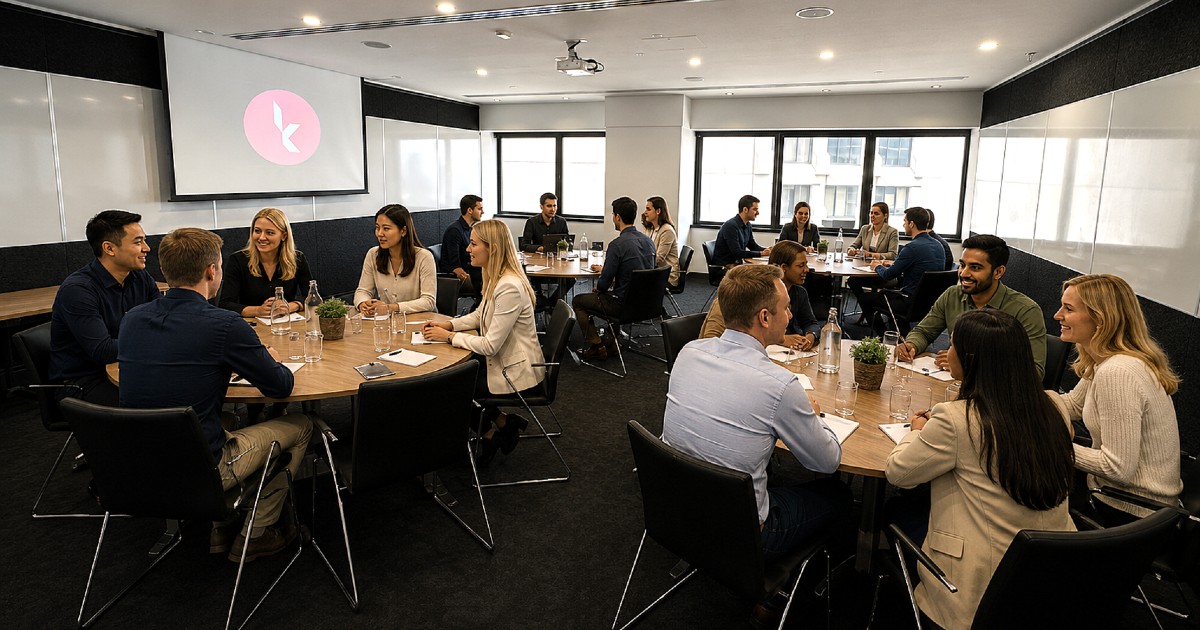
Cabaret layout positions delegates at round or rectangular tables with chairs on one side, all facing the front of the room. Small groups can discuss, solve problems and complete activities together, then refocus on the presenter for whole-room segments.
This configuration supports workshops that alternate between instruction and group exercises. Teams can collaborate at their tables during breakout activities, then easily return attention to the facilitator without repositioning furniture.
Theatre Style for Large Presentations
Theatre layout arranges chairs in rows facing the front, maximising seating capacity. While less interactive than other configurations, theatre style suits workshops that begin with a keynote or presentation before breaking into smaller groups.
Some workshop venues offer adjacent breakout rooms where smaller groups can reconvene after theatre-style presentations. This approach combines the efficiency of addressing a large group with the intimacy of smaller discussion spaces.
How to Evaluate Audiovisual Equipment and Technical Support
Built-In AV Versus External Hire
Purpose-built workshop venues typically include data projectors, screens, sound systems and presentation equipment as standard. When AV is built into the room, you avoid the complexity of hiring external equipment, coordinating delivery times and troubleshooting unfamiliar systems.
Ask whether the venue includes a presenter's box with markers, pens, sticky notes and other stationery items so your presenter has it aviaiable if needed. These features make it easier for your facilitator to manage presentations smoothly without having to ask for stationery items.
Wi-Fi Reliability and Bandwidth
Modern workshops often incorporate online polls, collaborative documents, video content and participant devices. Reliable Wi-Fi with sufficient bandwidth for your delegate count is essential, particularly if your workshop involves downloading materials or streaming video.
Ask the venue about their Wi-Fi capacity and whether business-grade internet is available. Dedicated conference centre venues typically invest in robust connectivity to support corporate requirements.
On-Site Technical Support
Technical problems during a workshop disrupt the flow and waste valuable session time. On-site technical support means someone is available to resolve issues quickly, whether that involves adjusting audio levels, troubleshooting projector connections or assisting with video conferencing setup.
Karstens Brisbane includes on-site technical support as part of the venue experience. This means your facilitator can focus on content delivery rather than managing equipment.
Supporting Hybrid Workshops with Video Conferencing
When You Need Hybrid Capability
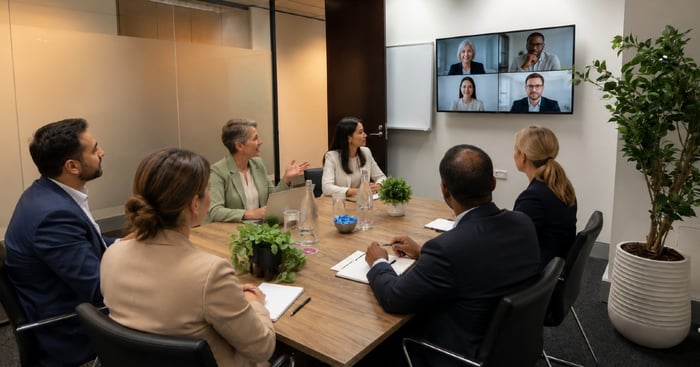
Hybrid workshops connect in-person delegates with remote participants through video conferencing technology. You might need hybrid capability when team members work from different locations, when travel budgets are constrained or when you want to include interstate colleagues without requiring everyone to travel.
Effective hybrid delivery requires more than a laptop camera and microphone. Room-based video conferencing with dedicated cameras, microphones and screens ensures remote participants can see and hear clearly while feeling included in the discussion.
What to Look for in a Hybrid-Ready Venue
A hybrid-ready workshop venue should include ceiling-mounted or PTZ (pan-tilt-zoom) cameras that capture the room effectively. Multiple microphones or a beam-forming microphone array ensure remote participants hear clearly regardless of who is speaking.
Large displays or projector screens positioned for both in-room and remote visibility help keep everyone connected. The best hybrid setups allow remote participants to appear on screen at a similar scale to in-person delegates, reducing the sense of separation.
Testing Hybrid Setups Before Your Workshop
Always request a test session before your workshop to confirm the technology works as expected. Check audio levels, camera angles and screen sharing functionality. Verify that your chosen video conferencing platform integrates smoothly with the venue's equipment.
A venue that supports pre-event testing demonstrates commitment to your workshop's success. This preparation time helps identify potential issues before delegates arrive.
The Role of Natural Light and Room Design in Workshop Effectiveness
Why Natural Light Matters for All-Day Sessions
Research consistently shows that natural light improves alertness, mood and cognitive performance. For workshops lasting several hours, delegates in naturally lit rooms tend to maintain energy levels and focus better than those in windowless spaces.
When evaluating venues, ask about window positioning and whether blinds are available to manage glare on screens. The ideal workshop room balances natural light with the ability to control brightness during presentations.
Ergonomic Seating for Delegate Comfort
Delegates sitting on uncomfortable chairs for hours will become distracted, fidgety and less engaged with your content. Ergonomic seating with proper lumbar support and adequate cushioning makes a tangible difference to workshop outcomes.
Purpose-built conference venues invest in quality seating because they understand the connection between physical comfort and productive sessions. Ask whether the venue uses ergonomic office chairs rather than banquet-style seating.
Room Temperature and Climate Control
A room that is too warm makes delegates drowsy. A room that is too cold creates distraction and discomfort. Climate control allows you to maintain a comfortable temperature throughout your session, adjusting as needed when the room fills with people or as the day progresses.
Check whether you can control the temperature directly or need to request adjustments from venue staff. The ability to make quick changes helps you respond to delegate feedback during the session.
How to Assess Breakout Spaces for Group Activities
What Breakout Spaces Add to Your Workshop
Breakout spaces allow small groups to discuss, problem-solve or complete exercises away from the main room. These separate areas give teams privacy for sensitive discussions while providing a change of scenery that refreshes attention.
Effective breakout spaces include comfortable seating, writable surfaces (such as whiteboards or glass panels) and enough room for the group to spread out. Some venues offer dedicated breakout rooms while others have open lounge areas that serve the same purpose.
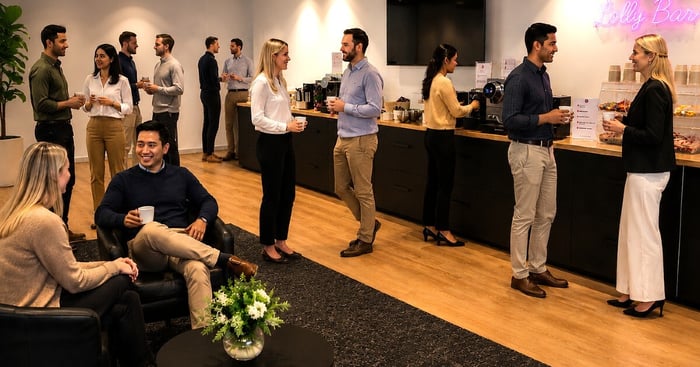
Communal Areas for Informal Networking
Beyond structured breakout activities, informal spaces encourage organic conversation between delegates. Comfortable lounge seating, standing tables and refreshment stations create natural gathering points where relationships form and ideas develop.
Karstens Brisbane features spacious breakout areas where delegates can network during breaks, continue conversations from the workshop or simply recharge before the next session. These spaces are designed to support both focused work and relaxed interaction.
Coordinating Multiple Groups in Breakout Sessions
If your workshop involves multiple breakout groups working simultaneously, consider how the venue layout supports this. Groups working too close together may distract each other. Sound separation between breakout areas helps each group focus on their own discussion.
Ask venue staff how they typically manage multi-group breakout sessions. Experienced conference venues can advise on optimal room configurations and timing to keep your workshop running smoothly.
Catering Considerations for Full-Day Workshops
Why Catering Quality Affects Workshop Outcomes
Food and beverages directly influence delegate energy, attention and satisfaction throughout your workshop. Heavy, starchy meals can make delegates drowsy in afternoon sessions, while insufficient refreshments leave people distracted by hunger.
In-house catering from a dedicated conference venue ensures food arrives fresh and on time without coordinating external caterers. The catering team understands workshop timing and can adjust service to match your session breaks.
Morning Tea, Lunch and Afternoon Refreshments
A typical full-day workshop includes morning tea, lunch and afternoon refreshments. Morning tea with coffee, tea and light snacks helps delegates settle in and connect before the session begins. Lunch should be substantial enough to sustain energy but light enough to avoid post-lunch drowsiness.
Afternoon refreshments re-energise delegates for the final session. Fresh fruit, healthy snacks and quality coffee keep attention levels high through to the close of the day.
Accommodating Dietary Requirements
Most workshops include delegates with dietary requirements including vegetarian, vegan, gluten-free, halal and kosher needs. Quality conference venues accommodate these requirements as standard rather than as an afterthought.
When booking, ask how the venue handles dietary requests. The best venues collect dietary information in advance and prepare clearly labelled options so every delegate can eat with confidence.
The Value of In-House Catering
In-house catering simplifies logistics and ensures accountability. When the venue prepares food on-site, they control quality and timing directly. If issues arise, they can respond immediately rather than waiting for an external caterer to address concerns.
Karstens Brisbane offers hospitality-led catering with restaurant-quality menus tailored to corporate events. Delegates enjoy fresh, healthy options served in dedicated breakout areas rather than cramped corridors or shared lobbies.
Booking Process and Flexibility for Corporate Workshops
Instant Confirmation and Deposit Policies
Corporate event organisers often work under time pressure and need to confirm venues quickly. Venues that offer instant online confirmation streamline the booking process and reduce back-and-forth communication.
Ask about deposit requirements and cancellation policies. Flexible terms that allow changes without significant penalties make it easier to adjust plans as your workshop details develop.
Adjusting Numbers and Requirements
Workshop attendance sometimes changes as the event approaches. Delegates drop out, additional people request to join or catering requirements shift. A venue with flexible policies allows you to adjust final numbers, catering quantities and room setup closer to the event date.
This flexibility reduces the risk of paying for services you do not use or scrambling to accommodate last-minute changes.
Single Point of Contact
Coordinating workshop logistics through multiple contacts creates confusion and increases the chance of miscommunication. A single point of contact who manages your enquiry, booking, room setup and catering simplifies the process significantly.
Dedicated account management ensures someone understands your specific requirements and can coordinate all venue elements on your behalf. This approach saves time and gives you confidence that nothing will fall through the gaps.
Comparing Purpose-Built Venues to Hotels and Serviced Offices
The Limitations of Hotel Meeting Rooms
Hotels primarily serve overnight guests, and their meeting facilities often reflect this secondary focus. Hotel meeting spaces may share floors with guest rooms, exposing your workshop to corridor noise, housekeeping interruptions and limited breakout options.
Audiovisual equipment in hotel meeting rooms is frequently hired separately or operated by third-party providers. This creates additional costs and coordination challenges when technical issues arise.
Why Serviced Offices Fall Short for Workshops
Serviced offices cater to daily desk users and small meetings rather than extended workshop sessions. Room sizes tend to be limited, natural light may be compromised and the atmosphere often feels transactional rather than conducive to collaboration and learning.
Serviced offices also share common areas with other tenants, reducing privacy and creating unpredictable noise levels. For a full-day workshop requiring focus and engagement, these environments rarely deliver the experience your delegates deserve.
Advantages of Purpose-Built Conference Venues
Purpose-built conference venues are designed specifically for business events. Every element, from room proportions and acoustics to AV integration and catering infrastructure, supports productive corporate gatherings.
These venues invest in the equipment, furniture and support systems that matter for workshops. The result is a professional environment where your facilitator can focus on content and your delegates can focus on learning.
What to Look for When Inspecting a Brisbane CBD Workshop Venue
Site Visit Checklist
A site visit helps you assess the venue beyond photographs and floor plans. During your visit, check the following elements:
- Room dimensions and ceiling height for your expected layout
- Natural light and window positioning
- Seating comfort and table quality
- AV equipment condition and placement
- Breakout space proximity and sound separation
- Catering service areas and presentation
- Accessibility features including lift access and accessible facilities
- Overall cleanliness and maintenance
Questions to Ask During Your Visit
Use your site visit to clarify operational details that affect your workshop experience. Consider asking:
- What room layouts can you configure, and how quickly can you change between configurations?
- Is AV equipment included in the room hire, and what specific equipment is available?
- Is technical support available on-site during my workshop?
- How do you handle dietary requirements and food allergies?
- What is your cancellation and amendment policy?
- Who is my main point of contact for coordination before and during the event?
Assessing the Venue Team
The people who support your workshop matter as much as the physical space. Pay attention to how venue staff respond to your questions during the site visit. Are they knowledgeable, helpful and genuinely interested in understanding your requirements?
A venue team that listens carefully and offers practical suggestions demonstrates the approach they will bring to supporting your event. This human element can make the difference between a stressful experience and a smooth one.
Accessibility Requirements for Inclusive Workshops
Physical Accessibility
Your workshop venue should be accessible to all delegates, including those with mobility requirements. Lift access, accessible entrances, and appropriately designed facilities are essential features to confirm during your venue selection.
Check that the route from building entry to meeting room is step-free and that accessible facilities are located conveniently close to your workshop space.
Communicating Accessibility Information to Delegates
Once you have confirmed accessibility features, communicate this information clearly to delegates before the workshop. Include details about building access, parking arrangements and on-site support in your event communications.
Proactive accessibility information helps delegates feel welcome and prepared, contributing to a positive workshop experience for everyone.
Planning Your Workshop Timeline with Venue Logistics in Mind
Arrival and Setup Time
Build sufficient time into your schedule for venue arrival and setup. If you need to arrange materials, test AV equipment or brief your facilitator, arriving at least 30 minutes before delegates is advisable.
Confirm with the venue what time the room will be available and whether earlier access is possible if needed. Some venues charge for extended access, while others include reasonable setup time in the booking.
Structuring Breaks for Energy and Networking
Workshop breaks serve multiple purposes: they refresh delegate attention, allow networking conversations and provide time for catering service. Plan breaks of 15-20 minutes for morning and afternoon tea, and 45-60 minutes for lunch.
Breakout spaces adjacent to your workshop room keep delegates nearby while still providing a change of environment. This proximity makes it easier to reconvene on schedule.
Pack-Down and Departure
Allow time at the end of your workshop for pack-down, delegate questions and any final networking. Rushing delegates out the door immediately after the final session creates a poor impression and cuts short valuable informal discussion.
Confirm with the venue how long you can remain in the space after your official session end time. This buffer helps you close the day professionally.
How Karstens Supports Brisbane CBD Workshops
Karstens Brisbane offers purpose-built training rooms and conference spaces designed specifically for corporate workshops and team sessions. Located in the heart of Brisbane CBD, the venue features natural light, ergonomic furniture, built-in audiovisual technology and spacious breakout areas.
The venue team understands what matters before, during and after an event. From enquiry and booking through to room setup, catering coordination and on-site technical support, Karstens delivers a professional event experience with a single point of contact managing your requirements.
Flexible room configurations support classroom, U-shape, cabaret and theatre layouts, allowing you to match the space to your workshop format. In-house catering with healthy menu options and accommodation of common dietary requirements ensures your delegates stay energised throughout the day.
Budgeting for Your Brisbane CBD Workshop Venue
Understanding Day Delegate Packages
Day delegate packages bundle room hire, catering and standard AV into a single per-person rate. This pricing structure simplifies budgeting and ensures you know the total cost upfront without surprises from add-on charges.
When comparing venues, check what each day delegate package includes. Some packages cover only basic refreshments, while others include substantial morning tea, lunch and afternoon catering.
What Affects Venue Pricing
Several factors influence workshop venue pricing: room size, location, included equipment, catering quality and service level. CBD venues typically command higher rates than suburban locations, reflecting accessibility advantages and professional environments.
Purpose-built conference venues that include AV equipment, technical support and quality catering may appear more expensive than basic room hire options. However, when you add the cost of hiring external equipment, coordinating caterers and managing logistics yourself, dedicated venues often represent better value.
Transparent Pricing and Avoiding Surprises
The clearest indication of a professional venue is transparent pricing. Request a detailed quote that itemises all costs before booking. Confirm whether Wi-Fi, basic AV, coffee service and room setup are included or charged separately.
Venues that operate with transparent pricing build trust and reduce the administrative burden of tracking multiple invoices and unexpected charges.
Step-by-Step Process for Booking Your Brisbane CBD Workshop Venue
Step 1: Define Your Requirements
Before contacting venues, clarify your workshop requirements including date, duration, expected delegate numbers, room layout preferences, AV needs, catering requirements and budget parameters. This preparation helps you communicate clearly and compare options effectively.
Step 2: Research and Shortlist Venues
Research Brisbane CBD venues that specialise in corporate workshops and training. Look for venues with built-in AV, flexible layouts, quality catering and professional support. Create a shortlist of three to five venues that appear to match your requirements.
Step 3: Request Quotes and Clarify Inclusions
Contact each shortlisted venue with your requirements and request a detailed quote. Ask specifically about what is included in the price, what is charged separately and what their cancellation and amendment policies are.
Step 4: Conduct Site Visits
Visit your top two or three venues in person. Use the site visit checklist above to assess each space and meet the venue team who will support your event.
Step 5: Confirm Booking and Logistics
Once you have selected your venue, confirm the booking in writing with all requirements documented. Establish your single point of contact and confirm the timeline for providing final numbers, dietary requirements and any special requests.
Step 6: Pre-Event Coordination
In the week before your workshop, confirm final details with the venue including room setup, AV requirements, catering timing and any access requirements for facilitators or external presenters. A brief pre-event call or email exchange ensures everyone is aligned.
In Conclusion: Choosing the Right Brisbane CBD Workshop Venue for Your Team
Selecting the right Brisbane CBD workshop venue requires attention to several interconnected factors. Room layout, audiovisual capability, catering quality, natural light, breakout spaces and professional support all contribute to the experience your delegates will have and the outcomes your workshop will achieve.
Purpose-built conference venues like Karstens Brisbane are designed to support productive corporate events from start to finish. By evaluating venues against the criteria in this guide, you can book with confidence knowing your workshop has the best possible foundation for success.
The right venue makes planning easier for you as the organiser while creating an environment where your delegates can focus, engage and achieve real results from their time together.
FAQs About Choosing a Brisbane CBD Workshop Venue
What is the ideal room capacity for a workshop?
Workshop room capacity depends on your chosen layout. A room that holds 30 delegates in theatre style may only accommodate 18 in classroom or 12 in U-shape configuration. Karstens Brisbane offers training rooms with flexible configurations to match your specific delegate numbers and activity format.
How far in advance should I book a Brisbane CBD workshop venue?
For preferred dates, booking four to six weeks in advance is advisable. Peak periods and larger spaces may require longer lead times. Contact venues early to check availability, even if you have not finalised all workshop details.
What AV equipment is typically included in workshop venue hire?
Purpose-built venues like Karstens typically include data projectors, screens, sound systems, whiteboards and presenter boxes as standard. Confirm specific inclusions when requesting your quote to avoid unexpected charges.
Can workshop venues accommodate hybrid sessions with remote participants?
Many Brisbane CBD conference venues now support hybrid workshops with video conferencing technology. Karstens Brisbane offers hybrid capability with cameras, microphones and large displays designed for connecting in-room and remote delegates effectively.
What catering is appropriate for a full-day workshop?
A full-day workshop typically includes morning tea, lunch and afternoon refreshments. In-house catering from venues like Karstens ensures fresh, quality food with accommodation for dietary requirements including vegetarian, gluten-free, halal and kosher options.
How do I compare purpose-built venues to hotel meeting rooms?
Purpose-built conference venues focus exclusively on business events, with dedicated AV, professional seating and on-site support included. Hotel meeting rooms often involve separate AV hire and shared spaces with guests, which can affect both cost and experience quality.
To assist you with planning click hyperlink the complete guide to corporate training venues