
Conference Event Planning Checklist
Conference Event Planning Checklist Template for Seamless Event Organisation
Planning a successful conference requires more than booking a room and sending invitations. Organisers need to manage objectives, budget, venue selection, catering, audiovisual requirements, delegate communication, registration, timing and onsite delivery.
A conference planning checklist helps corporate event organisers, executive assistants, training managers and administration teams stay organised from the first planning meeting through to post-event review.
This guide explains what to include in your conference planning checklist and how to reduce event-day stress.
What Is a Conference Planning Checklist?
A conference planning checklist is a structured planning tool that helps organisers manage every stage of a business event.
It covers the key decisions and tasks required before, during and after the conference, including venue selection, room setup, catering, AV, Wi-Fi, registration, speakers, delegate communication and event feedback.
Why Use a Conference Planning Checklist?
A checklist reduces the risk of missed details. It gives organisers a clear framework for managing deadlines, responsibilities and supplier communication.
For corporate conferences, training programs, workshops, board meetings, government briefings and professional development events, a checklist helps ensure the event supports the business objective and runs smoothly on the day.
Who Should Use This Checklist?
This checklist is useful for executive assistants, event coordinators, HR teams, learning and development managers, professional associations, government departments, education providers and corporate administration teams.
Start With Clear Event Objectives
Before choosing a venue or building the agenda, define what the event needs to achieve.
Define the Purpose of the Conference
Ask what outcome the organisation needs. Is the event designed for training, compliance, professional development, leadership alignment, client engagement, sales, networking or internal communication?
The purpose of the event should shape the venue, room layout, catering, technology and agenda.
Set Measurable Outcomes
Conference success should be measurable. Useful outcomes may include attendance, delegate satisfaction, training completion, engagement, leads generated, decisions made or post-event actions.
Clear objectives also make it easier to measure conference ROI after the event.
Build Your Budget Early
A realistic budget helps organisers compare venue options and avoid unexpected costs.
What Should Be Included in a Conference Budget?
Include venue hire, catering, AV, speakers, travel, accommodation, printed materials, signage, marketing, staff time, hybrid technology and contingency.
Also consider possible additional costs such as extended hours, extra equipment, last-minute changes, recording, special dietary meals or additional technical support.
Compare Total Value, Not Just Price
The cheapest venue is not always the best option. Compare what is included, such as room setup, AV, Wi-Fi, catering, technical support, breakout spaces and onsite coordination.
A venue that includes more services may reduce organiser workload and event-day risk.
Create a Conference Planning Timeline
Your planning timeline should work backwards from the conference date.
Large Conferences
Large conferences, multi-day programs and events involving multiple stakeholders may need six to twelve months of planning.
This allows time for venue booking, speaker coordination, sponsor communication, registration, marketing, accommodation and detailed logistics.
Smaller Business Events
Training sessions, workshops and professional development programs may need three to six months of preparation, depending on delegate numbers, catering, AV and speaker requirements.
Final Weeks Before the Event
In the final weeks, confirm delegate numbers, dietary requirements, room layout, AV needs, presenter files, registration materials, signage and the event run sheet.
Choose the Right Conference Venue
Venue selection is one of the most important parts of conference planning. The venue affects attendance, comfort, technology, catering and the overall delegate experience.
Location and Access
A CBD venue close to public transport, parking, taxis, rideshare, hotels and restaurants makes attendance easier for delegates.
For interstate attendees, nearby accommodation and business services are especially important.
Room Layout and Capacity
Choose a room based on comfort, layout and movement, not maximum capacity alone.
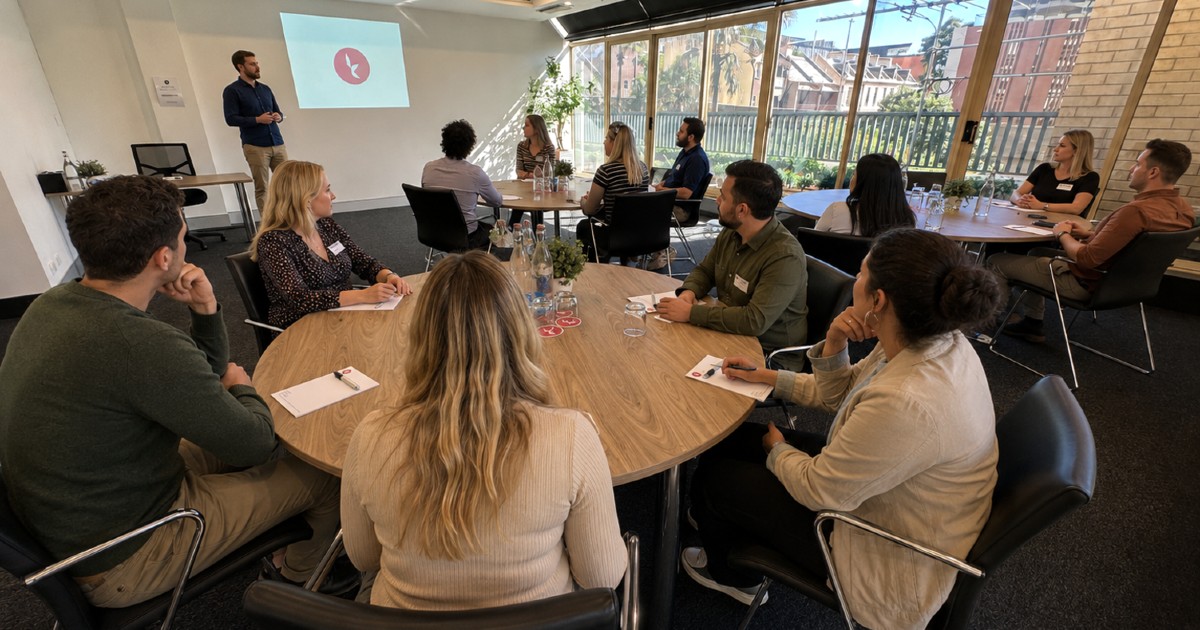
Theatre style suits presentations. Classroom style supports training and note-taking. Cabaret works well for discussion. Boardroom suits executive meetings. U-shape supports interaction and facilitated workshops.
Breakout Spaces
Breakout areas support networking, catering, small-group work, private calls and delegate reset time.
For full-day and multi-day events, breakout spaces can improve engagement and delegate comfort.
Confirm AV, Wi-Fi and Hybrid Requirements
Technology can make or break a business event. AV should be planned early, not left until event day.
Essential Conference AV
Confirm screens, microphones, speakers, presenter connections, clickers, video playback, whiteboards, lecterns and laptop compatibility.
For larger rooms, panel sessions or Q&A, microphones are essential so all delegates can hear clearly.
Wi-Fi and Internet
Confirm Wi-Fi access, speed and capacity. Delegates may need internet for online resources, live polling, cloud-based documents, training platforms or collaboration tools.
A corporate training event with many laptops requires stronger Wi-Fi than a presentation-only event.
Hybrid Conference Requirements
For hybrid events, confirm Zoom or Microsoft Teams setup, cameras, room microphones, screens, remote Q&A, chat moderation and technical support.
Remote attendees should be able to see, hear and contribute clearly.
Plan Catering and Delegate Comfort
Catering influences energy, satisfaction and event flow.
Full-Day Catering
A full-day conference may include arrival tea and coffee, morning tea, lunch, afternoon tea, water and continuous refreshments.
Balanced menus help delegates stay focused. Heavy meals can reduce afternoon energy.
Dietary Requirements
Collect dietary requirements during registration and confirm them with the venue before the event.
Common requirements include vegetarian, vegan, gluten-free, dairy-free, halal, kosher and allergy-specific meals.
Delegate Comfort
Comfort matters for full-day events. Check ergonomic seating, table space, natural light where available, air conditioning, acoustics, room flow and access to bathrooms and breakout areas.
Prepare Registration and Delegate Communication
Clear communication reduces confusion and creates a professional first impression.
Before the Event
Send delegates the agenda, venue address, arrival instructions, transport details, parking options, start time, catering information and contact details.
For training events, mention whether delegates need laptops, materials or pre-reading.
On the Day
Prepare name badges, attendee lists, signage, registration materials and arrival refreshments.
Make the registration area easy to find and allow enough time for delegates to check in before the first session.
Create a Day-Of Conference Checklist
On the day, organisers need to manage setup, timing, catering, speakers, technology and delegate needs.
Before Delegates Arrive
Arrive early and complete a full room check. Confirm room layout, seating numbers, screen visibility, signage, catering stations, breakout areas and registration setup.
Test all technology before delegates enter the room.
During the Event
Monitor timing, support presenters, manage questions, coordinate catering breaks and respond to delegate needs.
Keep in close contact with the venue team so changes can be handled quickly.
After the Event
Collect materials, confirm attendance numbers, review catering and AV performance, note feedback and complete a post-event debrief.
This helps improve future conferences.
Conference Planning Checklist
Use this downloadable checklist when planning your next business event:
- define event objectives
- confirm delegate numbers
- set the budget
- choose the venue
- inspect the venue
- select room layout
- confirm catering
- collect dietary requirements
- confirm AV requirements
- confirm Wi-Fi requirements
- plan hybrid participation
- organise speakers
- prepare agenda
- send delegate communication
- prepare registration
- confirm signage
- create a run sheet
- test technology
- brief presenters
- confirm onsite contacts
- collect delegate feedback
- complete a post-event review
How Karstens Supports Conference Planning
Karstens provides purpose-built conference and training venues in Melbourne, Sydney, Brisbane, Perth and Adelaide.
Karstens supports corporate conferences, training programs, workshops, professional development events, board meetings and business briefings with CBD locations, flexible room layouts, ergonomic seating, natural light where available, built-in AV, reliable Wi-Fi, hybrid meeting capability, catering, dietary management, breakout spaces, onsite support and professional event coordination.
The Karstens team can help organisers plan room setup, catering, AV, Wi-Fi, hybrid requirements and delegate flow so events run more smoothly.
Conclusion
A conference planning checklist helps organisers manage every stage of a business event, from objectives and venue selection through to catering, AV, registration, delivery and post-event review.
By planning early, choosing the right venue and confirming the practical details in advance, organisers can reduce stress and deliver a more professional delegate experience.
Contact Karstens to discuss venue options, room setup, catering, AV and support for your next conference or training event.
Frequently Asked Questions
What Is a Conference Planning Checklist?
A conference planning checklist is a structured list of tasks used to plan and manage a business event. It helps organisers track objectives, venue selection, catering, AV, registration, communication and event-day delivery.
How Early Should I Start Planning a Conference?
Start as early as possible. Large or multi-day conferences may need six to twelve months, while smaller workshops or training events may need three to six months.
What Should Be Included in a Conference Budget?
A conference budget should include venue hire, catering, AV, speakers, travel, accommodation, signage, printing, staff time, hybrid technology and contingency.
How Do I Choose the Right Conference Venue?
Choose a venue based on location, capacity, room layout, AV, Wi-Fi, catering, accessibility, breakout spaces, inclusions and onsite support.
What AV Do I Need for a Conference?
Common AV includes screens, microphones, speakers, presenter connections, clickers, video playback, Wi-Fi and technical support. Hybrid events may also need cameras, room microphones and online meeting setup.
Why Is Catering Important for Conferences?
Catering supports delegate energy, networking, satisfaction and agenda flow. Good catering helps delegates stay focused throughout full-day and multi-day events.
What Should I Check on Conference Day?
Check room setup, seating, signage, AV, Wi-Fi, catering, registration, speaker requirements, delegate materials and onsite contacts before delegates arrive.
How Do You Measure Conference Success?
Measure success through attendance, delegate feedback, engagement, training completion, leads generated, stakeholder satisfaction, ROI and post-event actions.
To assist you with planning click hyperlink The Complete Guide to conference planning