
Hybrid conferences have become standard for corporate events in Melbourne. Organisers now need venues that support both in-room delegates and remote participants equally well. A venue that cannot deliver reliable technology, flexible layouts and professional support can undermine months of planning.
This guide covers what corporate event organisers and executive assistants should evaluate when selecting a non-hotel hybrid conference venue in Melbourne CBD. From technology requirements and room design to catering and onsite support, you will find practical guidance to help you make a confident decision.
Key Takeaways: How to Choose a Hybrid Conference Venue in Melbourne
- Evaluate technology infrastructure first, including dedicated internet, built-in AV systems and professional cameras with clear audio for remote attendees.
- Prioritise purpose-built venues over hotel function rooms because they are designed specifically for corporate events and minimise distractions.
- Confirm onsite technical support is included so presenters and organisers can focus on content rather than troubleshooting equipment.
- Karstens offers hybrid-ready venues in Melbourne CBD and across most Australian capital cities, combining integrated technology, dedicated onsite support and flexible room layouts for professional events.
- Natural light, breakout spaces and quality catering directly influence delegate comfort, engagement and learning outcomes throughout the day.
What Is a Hybrid Conference Venue?
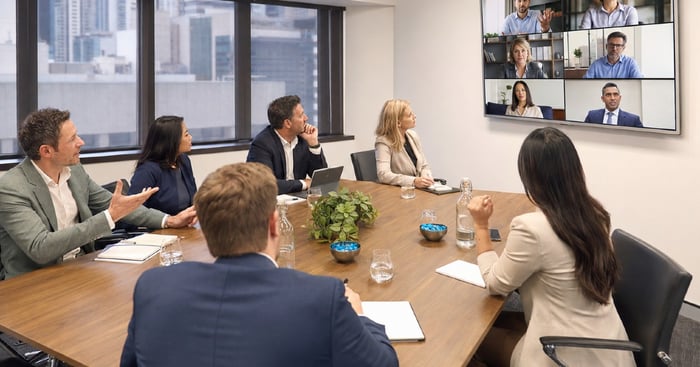
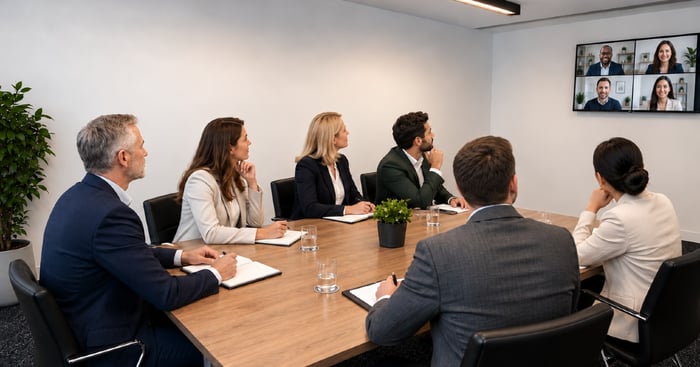
A hybrid conference venue supports both in-person attendees and remote participants during the same event. This means the venue must deliver an equally professional experience for delegates in the room and those joining online from different locations.
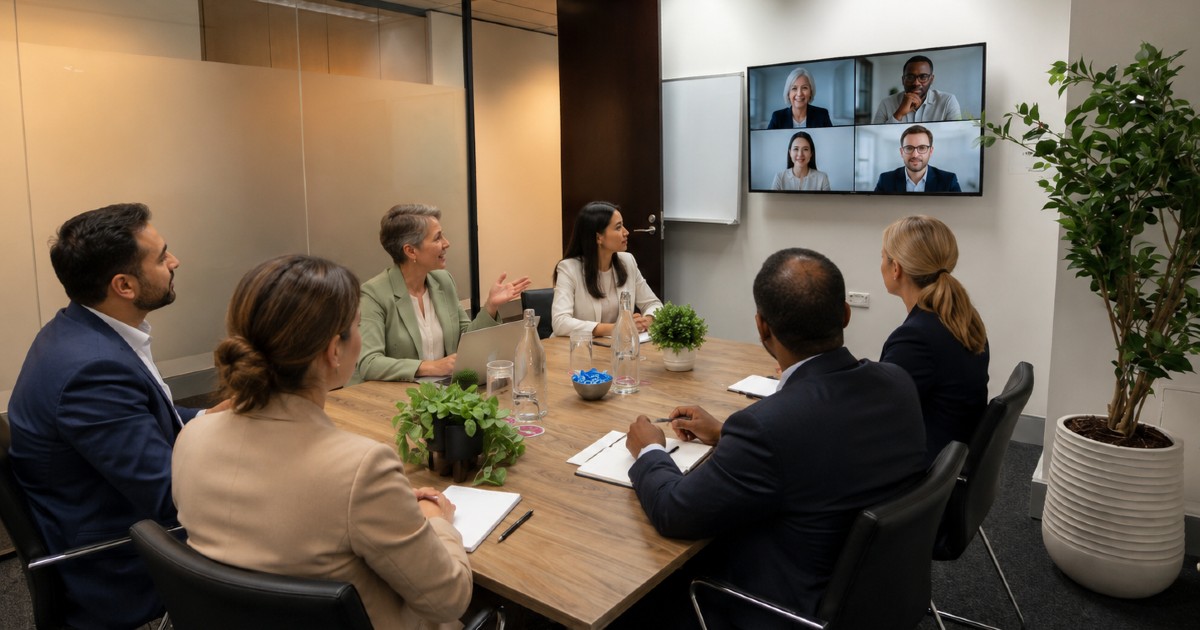
For corporate events in Melbourne CBD, this typically involves reliable video conferencing technology, professional microphones and cameras, stable high-speed internet and layouts that work on screen as well as in person. The venue should also have technical staff who understand how to manage live production rather than simply providing equipment.
Why Non-Hotel Venues Often Perform Better for Hybrid Events
Hotels are designed primarily for accommodation. Their meeting rooms are often repurposed function spaces that serve multiple purposes. This can create challenges for hybrid conferences.
Common issues with hotel venues include shared internet bandwidth, outsourced AV support that may not arrive promptly, distracting lobby noise and layouts that prioritise banquet service over presenter visibility. Purpose-built conference centres are designed specifically for corporate events. They typically offer integrated technology, dedicated technical teams and environments that support focused learning and professional presentations.
What Technology Should a Hybrid Venue Include?
Technology reliability separates adequate venues from exceptional ones. For hybrid conferences, organisers should expect the following infrastructure.
Internet and Connectivity
Dedicated wired internet connections are essential. Shared Wi-Fi networks cannot reliably support high-quality video streaming alongside multiple devices. Ask whether bandwidth is guaranteed or shared with other events in the building.
Audio and Visual Systems
Built-in presentation screens, wireless microphones, lapel microphones for presenters and speakers should be standard. Remote attendees need to hear every word clearly without echo or distortion. Professional venues also offer confidence monitors so speakers can see their slides without turning away from the audience.
Cameras and Production Support
Professional-grade cameras positioned to capture both speakers and audience engagement make virtual attendees feel included. Multiple camera angles create a more dynamic viewing experience than a single static shot.
Karstens venues offers hybrid conferencing technology with professional cameras and microphones across all locations, along with onsite technical support to manage live production throughout your event.
How Room Layout Affects Hybrid Event Success
The physical arrangement of a conference room directly impacts both in-person and virtual attendee experiences. Thoughtful layout design ensures everyone can participate fully.
Presenter Visibility and Camera Lines
Your presenter needs clear sightlines to the in-room audience while also being well-positioned for cameras capturing their presentation for remote viewers. Pillars, awkward angles or poor lighting can compromise both experiences.
Flexible Configurations
Different sessions may require different setups. A keynote address might use theatre-style seating, while breakout activities need cabaret or classroom arrangements. Venues that offer flexible room configurations allow you to adapt the space to each session without significant setup delays.
Breakout Areas for Networking
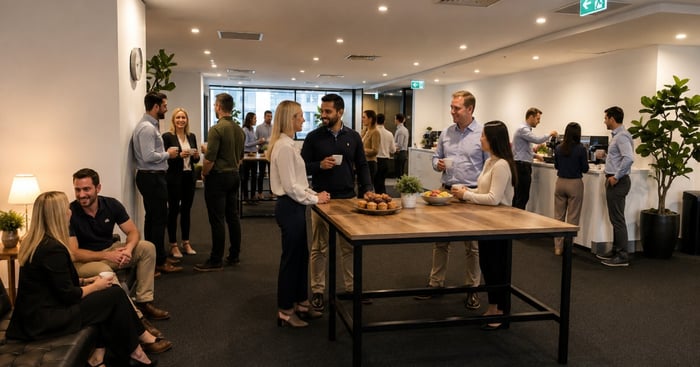
Full-day conferences require comfortable spaces for delegates to take breaks, network and recharge. Cramped corridors or tiny foyers create congestion and reduce the overall event experience. Purpose-built venues typically offer spacious gallery-style breakout areas that support collaboration and informal discussion.
Why Onsite Technical Support Matters
Even the most reliable technology can encounter issues. What separates professional venues from basic room hire is the availability of experienced technical staff who can respond immediately.
When AV support is outsourced, problems often mean waiting for external contractors to arrive. This can cause delays, disrupt presenter confidence and create a poor impression for both in-room and remote audiences. Venues with dedicated onsite technical teams can troubleshoot issues quickly, adjust equipment during sessions and ensure presenters feel supported throughout.
What to Look for in Venue Catering
Catering quality influences how delegates remember your event. Poor food service can distract from excellent content, while thoughtful catering supports energy levels, engagement and overall satisfaction.
Menu Quality and Dietary Flexibility
Professional venues offer restaurant-quality menus with healthy options and flexibility for dietary requirements. Ask about vegetarian, vegan, gluten-free and allergy-friendly choices before booking.
Service Timing and Presentation
Catering should flow naturally through your agenda without creating bottlenecks. Multiple refreshment stations reduce queuing and encourage networking. Morning tea, lunch and afternoon breaks should be served promptly so sessions can resume on schedule.
Refreshments Throughout the Day
All-day events require ongoing refreshments to maintain delegate comfort and focus. Quality venues include Nespresso coffee, tea selections and water stations accessible throughout the day rather than only at scheduled breaks.
How Location Affects Attendance and Logistics
Melbourne CBD offers strong public transport connections, proximity to hotels for interstate delegates and easy access to dining options for networking after the event. A central location reduces late arrivals and helps delegates focus on your content rather than travel logistics.
Consider proximity to Flinders Street Station, Southern Cross Station and major tram routes. Nearby parking facilities also matter for delegates who drive. Central CBD venues with clear public transport access simplify logistics for both local and travelling attendees.
Evaluating Natural Light and Room Environment
Natural light significantly impacts delegate wellbeing during full-day events. Research consistently shows that natural daylight improves concentration, energy levels and learning outcomes compared to artificially lit environments.
Many hotel function rooms are windowless basement spaces designed for flexibility rather than comfort. Purpose-built training and conference rooms with natural light help delegates stay alert and engaged, particularly during afternoon sessions when fatigue typically increases.
What Questions Should You Ask When Comparing Venues?
Before confirming any booking, ask prospective venues these questions to ensure they can support your hybrid conference requirements.
Technology and Support
- Is internet bandwidth dedicated or shared with other building tenants?
- Are microphones, cameras and presentation equipment included in the venue hire?
- Is onsite technical support available throughout the event at no additional cost?
- Has the venue hosted successful hybrid events before?
Layout and Facilities
- Can room layouts be adjusted between sessions?
- Are breakout spaces included for networking and refreshments?
- Does the room have natural light?
- Are there pillars or obstructions that affect sightlines?
Catering and Service
- Is catering prepared in-house or brought in from external providers?
- What dietary options are available?
- Are refreshments available throughout the day?
- What is the delegate-to-staff ratio for service?
Booking and Flexibility
- Is a deposit required?
- Can final attendee numbers be adjusted before the event?
- What is the cancellation policy?
- Will a dedicated account manager coordinate logistics?
Common Mistakes When Selecting Hybrid Venues
Organisers sometimes focus on price or availability without evaluating factors that directly impact event success. Avoid these common mistakes.
Choosing Based on Capacity Alone
Maximum occupancy figures rarely reflect usable space once staging, catering stations and production equipment are installed. Always request floor plans and visit the venue to assess realistic capacity.
Assuming All AV Is Created Equal
Basic presentation equipment differs significantly from broadcast-quality hybrid infrastructure. Ask specifically about camera quality, audio capture for remote attendees and backup systems if primary equipment fails.
Overlooking the Virtual Attendee Experience
Many organisers focus entirely on the in-room experience and treat virtual participation as an afterthought. Remote attendees should have clear audio, professional video quality and opportunities to ask questions or participate in discussions.
Not Testing Technology in Advance
Request a technical rehearsal before your event. This allows presenters to practise with the actual equipment and identifies any connectivity or compatibility issues while there is still time to resolve them.
Creating a Venue Evaluation Checklist
Use this checklist during site visits to compare venues consistently.
Technology Infrastructure
- Dedicated high-speed internet available
- Built-in AV equipment included
- Professional cameras for hybrid streaming
- Onsite technical support confirmed
- Backup equipment available
Room Environment
- Natural light present
- Flexible layout options
- Clear presenter sightlines
- No distracting noise from adjacent spaces
- Climate control adjustable
Delegate Comfort
- Ergonomic seating for full-day events
- Spacious breakout areas
- Quality catering with dietary options
- All-day refreshments included
- Accessible facilities
Operational Support
- Dedicated event team
- Single point of contact for planning
- Flexible booking terms
- Transparent pricing with inclusions clearly stated
Why Purpose-Built Venues Deliver Better Outcomes
Purpose-built conference centres are designed specifically for professional business events. Unlike hotels or coworking spaces, they prioritise productivity, learning and focused engagement over multiple competing uses.
Key differences include integrated technology that works consistently, staff trained specifically in corporate event support, layouts designed for presenter effectiveness and breakout spaces that encourage professional networking. Organisers who choose purpose-built venues typically report smoother event execution, fewer technical disruptions and stronger delegate feedback.
Planning Your Next Hybrid Conference in Melbourne
Selecting the right venue sets the foundation for event success. By evaluating technology infrastructure, layout flexibility, catering quality, onsite support and location convenience, you can confidently choose a venue that supports both your in-room delegates and remote participants.
Karstens has supported organisations since 2006 with professional event experiences tailored to client needs. With hybrid-ready venues in Melbourne CBD featuring built-in technology, dedicated technical support and flexible all-inclusive packages, Karstens helps organisers deliver successful conferences with less stress.
Whether you are planning a full-day training session, multi-day conference or executive strategy meeting, the right hybrid venue makes the planning process easier and ensures your content reaches every attendee effectively.
FAQs About How to Choose a Hybrid Conference Venue in Melbourne
What makes a venue hybrid-ready?
A hybrid-ready venue includes dedicated high-speed internet, professional cameras, quality microphones and built-in AV systems that support simultaneous in-person and virtual attendance. Karstens venues feature hybrid conferencing technology with onsite technical support to manage live production throughout your event.
Why should I consider a non-hotel venue for my hybrid conference?
Purpose-built conference centres are designed specifically for corporate events. They typically offer integrated technology, dedicated AV support and environments without the distractions common in hotel lobbies or function spaces. This focus on professional events often delivers more reliable technology and better delegate experiences.
How important is onsite technical support for hybrid events?
Onsite technical support is essential for hybrid conferences. Equipment issues can occur unexpectedly, and having experienced staff immediately available prevents delays and presenter frustration. Karstens includes dedicated onsite technical teams across all venues to ensure presenters and organisers feel supported throughout.
What should I look for in hybrid venue catering?
Quality catering maintains delegate energy and satisfaction throughout full-day events. Look for venues with in-house catering, healthy menu options, dietary flexibility and refreshments like a lolly bar available throughout the day. Restaurant-quality food presentation also contributes to overall event perception.
How far in advance should I book a hybrid conference venue in Melbourne?
Popular corporate venues in Melbourne CBD often book several months ahead, particularly for peak periods. Booking three to six months in advance gives you more venue options and time to coordinate technology requirements, catering and room configurations with your chosen venue.
Can I adjust attendee numbers after booking?
Flexibility varies between venues. Karstens offers adjustable final numbers for bookings, allowing organisers to modify delegate counts closer to the event date without penalty. This flexibility reduces the stress of managing registration changes common in corporate conference planning.