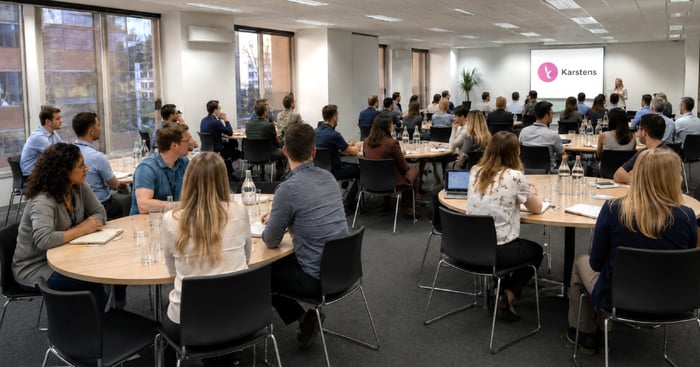

Corporate Training FAQs
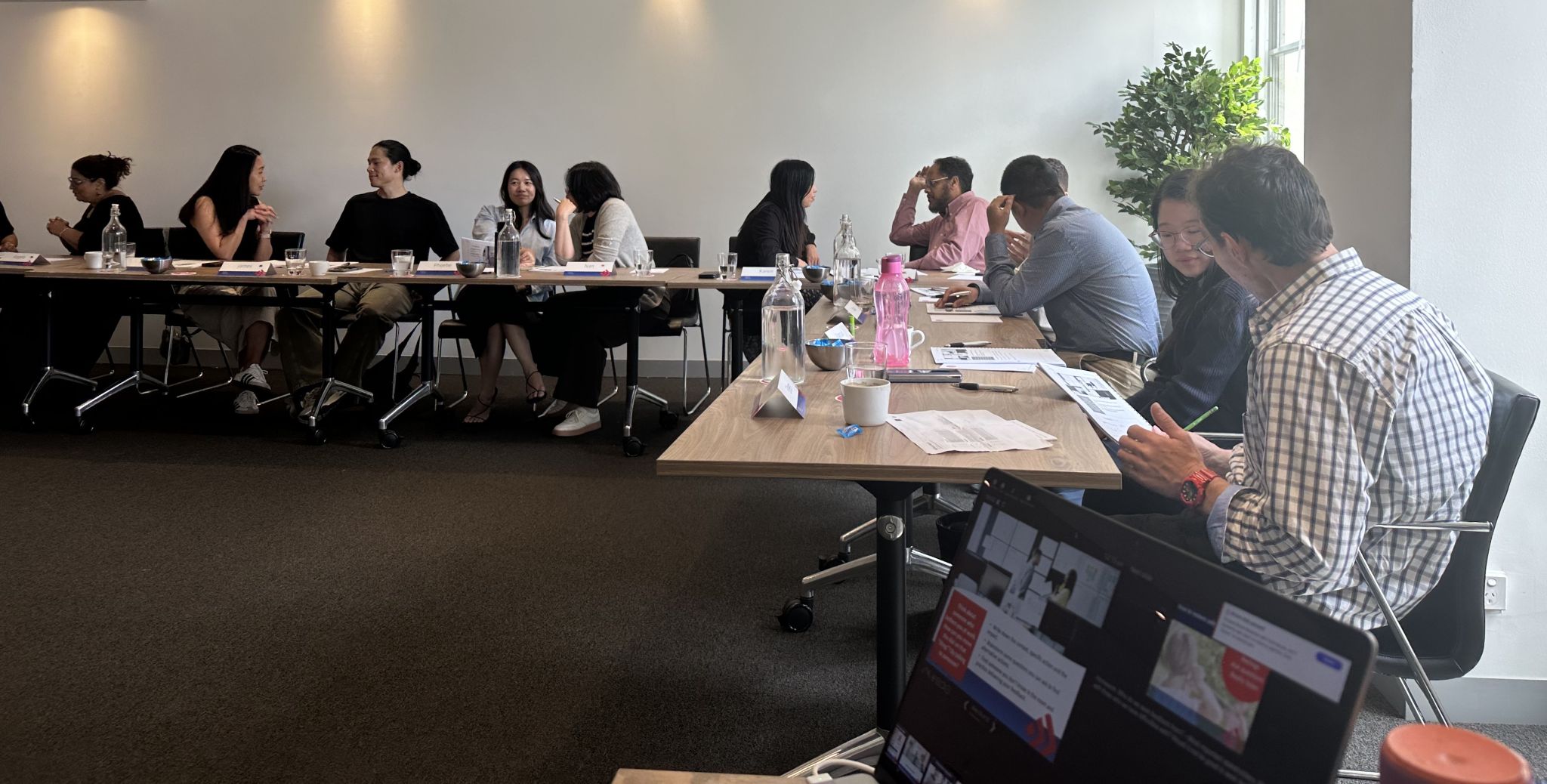
Corporate Training FAQs: Answers to Common Questions About Planning and Running Training
Corporate training can involve many practical decisions, from defining learning objectives and selecting a venue to choosing room layouts, organising technology, planning catering and measuring outcomes.
Corporate training is structured learning provided by an organisation to develop employee knowledge, skills, capability or workplace behaviour. It may include leadership development, compliance training, professional development, systems training, sales training, induction, certification or other programs designed to improve individual and organisational capability.
Corporate Training Planning FAQs
How Do You Plan a Corporate Training Session?
Start by defining what participants should know or be able to do after the session. Then identify the audience, choose the delivery format and venue, build the agenda, prepare activities and materials, organise technology and catering, communicate with participants and decide how the training will be evaluated.
A practical sequence is:
- Define learning outcomes
- Understand participant needs
- Select in-person, virtual or hybrid delivery
- Choose the venue and room layout
- Build the agenda
- Prepare activities and materials
- Confirm technology
- Plan breaks and catering
- Send participant information
- Measure training outcomes
How Far in Advance Should Corporate Training Be Planned?
Planning time depends on the size and complexity of the program. A routine internal session may require relatively little preparation, while customised, multi-day, hybrid or national training may need considerably more coordination.
Venue availability, facilitator schedules, catering, technology and participant communications should all be considered when setting the timeline.
What Should Be Included in a Corporate Training Plan?
A corporate training plan should include the learning objectives, participants, agenda, facilitator responsibilities, activities, training materials, venue requirements, technology, catering, accessibility, assessment methods and follow-up.
For recurring programs, document these requirements so future sessions can be delivered consistently.
How Long Should a Corporate Training Session Be?
There is no single ideal length. Training duration should reflect the learning objectives, complexity of the material and amount of practice required.
Short briefings may work for simple updates, while detailed skills development may require a half day, full day or several sessions. Longer programs should include varied activities and appropriate breaks.
How Often Should Participants Have Breaks?
Break timing should reflect session length, content intensity and participant needs.
Rather than relying on one fixed rule, trainers should alternate presentations, discussion and activities and provide regular opportunities for participants to move, refresh and reset their concentration.
Corporate Training Venue FAQs
What Should You Look for in a Corporate Training Venue?
A corporate training venue should provide an accessible location, suitable room size, flexible layouts, comfortable seating, reliable AV and Wi-Fi, breakout areas, catering and onsite support. The venue should match the learning activities, participant numbers and amount of time attendees will spend onsite.
Why Use a Purpose-Built Training Venue?
A purpose-built training venue like Karstens is designed specifically for professional learning and business events.
Compared with a generic meeting room, it may offer more appropriate furniture, flexible layouts, presentation technology, breakout areas, catering and onsite event assistance.
The best option depends on the program and level of support required.
What Is the Best Location for Corporate Training?
The best location is one participants and facilitators can reach conveniently.
Consider:
- Public transport
- Parking
- Nearby accommodation
- Accessibility
- Interstate attendees
- Restaurants and business services
- Building access
CBD training venues can be particularly practical for groups travelling from different offices or regions.
Should You Inspect a Training Venue Before Booking?
A venue inspection is useful for larger, complex or unfamiliar programs.
It allows organisers to review:
- Room size
- Furniture
- Screen sightlines
- Natural light
- AV
- Breakout areas
- Catering spaces
- Accessibility
- Building entry
- Overall professionalism
Hybrid and executive programs may particularly benefit from an inspection or technical test.
What Should Be Included in Training Room Hire?
A training room proposal should clearly identify the room, agreed layout, technology, Wi-Fi, catering where selected, breakout requirements, onsite support and any additional charges.
Always compare the total package rather than room hire alone.
Training Room Layout FAQs
What Is the Best Room Layout for Corporate Training?
The best layout depends on how participants need to learn and interact.
| Layout | Best suited to | Main benefit | Main limitation |
|---|---|---|---|
| Classroom | Structured courses and certification | Individual workspace | Less group interaction |
| Cabaret | Workshops and group activities | Encourages collaboration | Requires more space |
| U-shape | Discussion and demonstrations | Strong trainer interaction | Less suitable for large groups |
| Boardroom | Leadership and executive training | Focused conversation | Limited larger-group flexibility |
| Theatre | Presentations and briefings | Efficient seating | Limited workspace |
When Should You Use Classroom Layout?
Classroom seating suits structured training where participants need tables for laptops, workbooks and note-taking.
It is particularly useful for certification, systems training and programs involving individual exercises.
When Should You Use Cabaret Layout?
Cabaret seating works well for workshops, case studies, group problem-solving and collaborative learning.
Participants can work in small groups while maintaining access to the facilitator and presentation screen.
When Should You Use U-Shape Layout?
U-shape seating supports facilitated discussion, demonstrations, coaching and interactive learning.
It allows participants to see one another while maintaining a clear view of the trainer.
When Should You Use Boardroom Layout?
Boardroom seating is useful for executive development, leadership programs, strategy sessions and smaller management groups.
It supports direct discussion and gives participants table space for documents and laptops.
When Should You Use Theatre Layout?
Theatre seating suits presentations, briefings and larger audiences where most information is delivered from the front.
It is less suitable for activities requiring significant writing or table space.
Corporate Training Technology FAQs
What Technology Is Needed for Corporate Training?
Common requirements may include:
- Presentation screens
- HDMI or USB-C connectivity
- Wireless presentation
- Speakers
- Microphones
- Reliable Wi-Fi
- Video conferencing
- Charging access
- Online assessment tools
- Onsite technical support
The technology should support the learning rather than distract from it.
Should Trainers Test Technology Before the Session?
Yes. Trainers should test the actual equipment and files they intend to use.
Check:
- Presenter laptop
- Screen connection
- Slides
- Videos
- Audio
- Wi-Fi
- Online platforms
- Microphones
- Hybrid connections
Keep backup files and suitable adaptors available.
What Technology Is Needed for Hybrid Training?
Hybrid training typically requires cameras, presenter and room microphones, speakers, presentation screens, reliable internet, screen sharing and a video-conferencing platform.
Remote participants should be able to see content, hear room discussion and contribute effectively.
How Can Remote Participants Be Kept Engaged?
Remote participants should be included deliberately rather than treated as observers.
Useful methods include:
- Direct questions
- Polls
- Online chat
- Digital activities
- Breakout rooms
- Shared documents
- Moderator support
- Regular opportunities to contribute
Corporate Training Catering FAQs
Should Corporate Training Include Catering?
Catering can be particularly useful for half-day, full-day and multi-day programs because participants can remain onsite during breaks.
It can also help organisers keep the agenda on schedule.
What Catering Is Suitable for a Full-Day Training Program?
Depending on the agenda, a full-day program may include:
- Arrival refreshments
- Morning tea
- Lunch
- Afternoon tea
- Water
- Coffee and tea
- Healthy options
- Dietary meals
Catering should be timed around the training rather than interrupting key activities.
How Should Dietary Requirements Be Managed?
Collect dietary information during registration and provide accurate requirements to the venue within its requested timeframe.
Avoid assumptions and make sure any late changes are communicated promptly.
Should Lunch Be Served in the Training Room or Breakout Area?
Both approaches can work.
A breakout area gives participants a change of environment and encourages informal conversation. A working lunch may be useful when the agenda is particularly tight.
Consider whether participants would benefit more from a genuine break or continued discussion.
Participant Experience FAQs
How Do You Keep Participants Engaged During Corporate Training?
Use a mixture of presentation, discussion, case studies, demonstrations, practical exercises, reflection and action planning.
Activities should support the learning objective rather than simply provide entertainment.
Why Does Training Room Comfort Matter?
Participants may spend several hours in the same room.
Consider:
- Ergonomic seating
- Natural daylight
- Table space
- Temperature
- Acoustics
- Screen visibility
- Space to move
A comfortable environment can reduce unnecessary distractions.
How Many Participants Should Be in a Training Session?
There is no universal ideal number.
Group size should reflect:
- Training objective
- Facilitator style
- Level of interaction
- Activities
- Room layout
- Assessment requirements
- Number of facilitators
Highly interactive programs may need different arrangements from presentation-focused sessions.
How Should Accessibility Be Planned?
Ask participants about their requirements before the session.
Consider:
- Accessible entry
- Mobility
- Clear audio
- Captions
- Readable materials
- Accessible digital documents
- Remote participation
- Dietary needs
- Different levels of digital confidence
Training Materials and Facilitator FAQs
What Materials Should a Corporate Trainer Prepare?
Depending on the program, materials may include:
- Presentation slides
- Facilitator guide
- Run sheet
- Workbooks
- Worksheets
- Case studies
- Activity instructions
- Assessments
- Feedback forms
- Digital resources
Every item should have a clear purpose.
What Should a Trainer Bring on the Day?
Useful essentials include:
- Laptop
- Chargers
- Adaptors
- Backup presentation files
- Run sheet
- Participant materials
- Venue contact details
- Facilitator notes
How Early Should the Trainer Arrive?
The trainer should arrive with enough time to inspect the room, organise materials and test all technology before participants arrive.
More complex hybrid or AV-heavy sessions may require additional setup time.
What Should Be Tested Before Participants Arrive?
Test:
- Screen
- Laptop connection
- Presentation files
- Videos and sound
- Wi-Fi
- Microphones
- Hybrid links
- Polling tools
- Online assessments
Training Evaluation FAQs
How Do You Measure Corporate Training Success?
Training success can be evaluated by measuring participant reaction, learning, workplace behaviour and relevant organisational results. Start with clear objectives, assess knowledge or skills during and immediately after training, and follow up later to determine whether participants applied what they learned.
Is Participant Feedback Enough?
No. Feedback tells you whether participants found the training relevant or useful, but it does not prove that they learned the content or changed their behaviour.
Combine feedback with assessments, observations and follow-up measures.
How Do You Know Whether Employees Learned Something?
Use methods that match the learning objective, such as:
- Knowledge checks
- Quizzes
- Assessments
- Practical demonstrations
- Simulations
- Role-playing
- Case studies
How Do You Measure Whether Training Was Applied at Work?
Possible follow-up methods include:
- Manager observations
- Employee reflection
- Follow-up surveys
- Workplace assessments
- System usage
- Behavioural measures
- Relevant performance data
Should Training ROI Be Measured?
ROI may be useful for substantial training investments where credible financial benefits can be identified.
However, not every valuable outcome can be converted accurately into dollars. Leadership capability, compliance awareness and professional development may provide important benefits that are harder to quantify financially.
National and Recurring Training FAQs
How Do You Run the Same Training Program Across Multiple Cities?
Create common standards for:
- Learning objectives
- Agenda
- Room layouts
- Technology
- Catering
- Training materials
- Facilitator briefings
- Participant communications
Use one master event brief and update only location-specific details.
What Are the Benefits of Using One National Training Venue Partner?
A national venue partner like Karstens can reduce administration by providing one relationship through which multiple locations can be coordinated.
Potential benefits include:
- Fewer contacts
- More consistent room standards
- Easier AV coordination
- Consistent briefing
- Simplified catering coordination
- More consistent participant experience
How Can Training Be Kept Consistent Across Different Cities?
Standardise the core elements of the program, including:
- Agenda
- Room layout
- Technology
- Participant materials
- Catering schedule
- Communications
- Facilitator briefing
- Feedback process
Local details can still vary where necessary.
Can Corporate Training Be Delivered Across Melbourne, Sydney, Brisbane, Perth and Adelaide?
Yes. Karstens operates purpose-built conference and training venues in Melbourne, Sydney, Brisbane, Perth and Adelaide, allowing organisations to coordinate recurring or multi-city training programs through one national venue relationship.
Corporate Training at Karstens
Karstens provides purpose-built conference and training venues in Melbourne, Sydney, Brisbane, Perth and Adelaide.
Depending on the selected venue, room and package, facilities may include:
- Classroom, cabaret, U-shape, boardroom and theatre layouts
- Built-in presentation technology
- Reliable Wi-Fi
- Hybrid capability
- Breakout areas
- Ergonomic seating
- Natural daylight
- In-house catering
- Dietary management
- Onsite event and technical support
Karstens can support:
- Corporate training
- Leadership development
- Compliance training
- Professional development
- Workshops
- Full-day programs
- Multi-day training
- Hybrid training
- Recurring programs
- National training rollouts
Specific room features and package inclusions should be confirmed when requesting a proposal.
Quick Corporate Training Checklist
Before Booking
- Define the learning objectives
- Confirm dates
- Estimate participant numbers
- Select the venue
- Choose the room layout
- Identify technology requirements
- Plan catering
Before the Session
- Confirm final numbers
- Prepare materials
- Submit dietary requirements
- Confirm accessibility
- Confirm room setup
- Check AV requirements
- Send participant information
On the Day
- Test technology
- Check the room setup
- Arrange materials
- Confirm catering
- Welcome participants
After Training
- Collect feedback
- Assess learning
- Distribute resources
- Review outcomes
- Record improvements
Plan Corporate Training with Karstens
Successful corporate training combines clear learning objectives, thoughtful preparation, effective facilitation, appropriate technology and a venue that supports the participants and trainer.
Karstens can support corporate training programs across Melbourne, Sydney, Brisbane, Perth and Adelaide.
Contact Karstens to discuss:
- Corporate training rooms
- Room configurations
- AV and technology
- Hybrid training
- Catering
- Leadership training
- Compliance training
- Professional development
- Recurring programs
- National training rollouts
- Venue inspections
- Tailored proposals
More about planning, delivering and measuring corporate training