
Hybrid Training Best Practices

How to Engage In-Room and Remote Participants
Successful hybrid training requires more than opening a video-conferencing link while an in-person session takes place. The technology, room layout, activities and facilitation style must be designed for two audiences participating at the same time.
Remote attendees should be able to hear discussions, view content and contribute as easily as people in the room. In-person participants should also be able to interact naturally without the technology becoming a distraction.
Hybrid training combines participants attending in person with others joining remotely at the same time. Effective hybrid training uses suitable technology, inclusive facilitation and carefully designed activities to give both audiences equal access to information, discussion and learning opportunities.
What Is Hybrid Training?
Hybrid training is a live learning session delivered simultaneously to participants in a physical training room and participants joining online.
It differs from other formats:
- In-person training brings everyone together in one physical room.
- Virtual training is delivered entirely online.
- Hybrid training includes in-room and remote participants at the same time.
- Blended learning combines different learning methods, such as live sessions, self-paced modules and workplace activities.
- On-demand training is recorded or prepared in advance for participants to complete later.
Hybrid training can suit:
- National training programs
- Interstate teams
- Professional development
- Leadership programs
- Certification courses
- Product training
- Association member education
- Client workshops
- Sessions involving external specialists
- Programs where some participants cannot travel
Hybrid delivery can improve access and reduce travel, but it also creates additional facilitation and technical requirements.
What Makes Hybrid Training Successful?
Successful hybrid training depends on equal participation, clear audio, reliable video, inclusive activities, intentional facilitation and thorough testing. Remote participants should be treated as active members of the group rather than observers watching an in-room event.
Both audiences should have:
- Equal access to content
- Clear instructions
- Opportunities to ask questions
- Ways to contribute to activities
- Access to learning resources
- Appropriate breaks
- Technical support
- A clear follow-up process
The session should be designed as a hybrid program from the beginning. Attempting to add remote participants to an existing classroom agenda at the last minute usually creates an uneven experience.
Hybrid Training Best Practices
1. Define the Learning Outcome
Begin by identifying what participants should understand, practise, decide or complete.
A clear outcome may be:
- Demonstrate a new workplace skill
- Apply a procedure correctly
- Develop a team action plan
- Complete a certification assessment
- Understand a new product or system
- Agree on priorities and responsibilities
The learning objective should determine the technology and activities. Do not select digital tools first and then attempt to build the training around them.
2. Decide Whether Hybrid Is the Right Format
Hybrid training can provide flexibility, but it is not automatically the best option for every program.
Consider:
- Where participants are located
- Whether practical equipment is required
- How much group interaction is planned
- Whether remote participants have suitable devices
- The facilitator’s hybrid experience
- Accessibility requirements
- Session length
- Travel and budget considerations
- The complexity of the learning activities
Separate in-person and virtual sessions may be more effective when activities require hands-on equipment, physical demonstrations or intensive group interaction.
Hybrid delivery may be appropriate when consistent content needs to reach people in several locations at the same time.
3. Select a Suitable Hybrid Training Venue
A standard meeting room with one laptop may not provide an effective hybrid experience.
A suitable hybrid training venue may offer:
- Professional cameras
- Presenter microphones
- Room microphones
- Speakers
- Presentation screens
- Reliable internet access
- Video-conferencing capability
- Flexible room layouts
- Clear sightlines
- Appropriate lighting
- Breakout areas
- Comfortable seating
- Onsite technical assistance
Purpose-built training venues can reduce setup time because presentation and conferencing technology may already be integrated into the room.
Confirm the available equipment, inclusions and technical support with the venue before booking.
4. Design the Session for Two Audiences
Review every part of the agenda from both perspectives.
Ask:
- Can each audience see the presenter?
- Can they read the slides?
- Can remote participants hear questions from the room?
- How will each group ask questions?
- Can everyone access the activity materials?
- How will breakout discussions work?
- Who will monitor the online chat?
- How will feedback be collected?
- What happens if a participant loses their connection?
Activities that work naturally in a physical room may need to be adapted for remote participants.
5. Use Appropriate Hybrid Technology
Cameras
The camera should show the facilitator clearly and capture any relevant demonstrations or room interaction.
A single wide-angle view may not be sufficient if participants need to see detailed demonstrations, whiteboard content or audience discussion.
Microphones and Audio
Remote participants must hear more than the presenter. They also need to hear questions, comments and discussions from the room.
Audio equipment may include:
- Lapel microphones
- Handheld microphones
- Lectern microphones
- Table microphones
- Ceiling or room microphones
- Speakers for remote voices
Audio quality is often more important than video quality. A remote participant may tolerate an imperfect camera angle, but unclear sound quickly makes the session difficult to follow.
Presentation Screens
In-room participants need a clear view of presentation content. Depending on the room, a second display may be useful for showing remote attendees, chat or shared documents.
The facilitator should be able to see online participants without turning away from the room repeatedly.
Video-Conferencing Platform
Zoom, Microsoft Teams, Webex and other platforms can support hybrid training. The most appropriate platform depends on organisational requirements, participant familiarity and required features.
Confirm:
- Participant access
- Security settings
- Breakout-room functionality
- Screen sharing
- Chat
- Polling
- Recording permissions
- Captioning options
Internet Connection
Tell the venue how many participants will connect and what online activities are planned.
A session involving video conferencing, cloud applications, digital whiteboards and multiple participant devices requires more capacity than a presentation where only the facilitator is online.
Technical Support
Onsite technical assistance can help with:
- Equipment testing
- Device connectivity
- Microphone setup
- Camera positioning
- Remote links
- Audio problems
- Screen sharing
- Last-minute changes
Hybrid training generally requires professional cameras, presenter and room microphones, speakers, reliable internet, presentation sharing and video-conferencing software. Depending on the session, it may also require multiple displays, collaborative tools and onsite technical support.
How to Set Up a Hybrid Training Room
Presenter Position
The facilitator should stand where they can address the room while remaining visible to the camera.
Avoid positioning the presenter directly in front of bright windows or in an area where people continually walk behind them.
Camera Position
The camera should provide a clear and natural view of the facilitator.
Additional camera views may be needed for demonstrations, audience interaction or detailed training activities.
Screen Placement
Screens may display:
- Presentation slides
- Remote participants
- Online chat
- Polling results
- Shared documents
The facilitator should know what each screen displays and how the view will change during the session.
Participant Seating
The room configuration affects audio, sightlines and interaction.
| Room layout | Best suited to | Hybrid benefit | Main challenge |
|---|---|---|---|
| Classroom | Structured courses and presentations | Clear focus on facilitator and screen | Audience questions must be captured |
| Cabaret | Collaborative workshops | Supports small-group activities | Some participants may face away from cameras |
| U-shape | Discussion and demonstrations | Facilitator can engage the whole group | Microphone coverage may need planning |
| Boardroom | Executive and small-group training | Participants can see one another | Remote attendees may feel outside the discussion |
| Theatre | Presentations and larger groups | Efficient use of room space | Limited table space and interaction |
Lighting and Background
Lighting should allow remote participants to see the facilitator without glare or strong shadows.
Check:
- Light from windows
- Reflections on screens
- Background movement
- Camera exposure
- Visibility of demonstrations
- Presentation brightness
How to Engage Remote and In-Room Participants
Begin with Participation Guidelines
At the beginning, explain:
- How questions should be asked
- Whether chat will be monitored
- When microphones should be muted
- How activities will work
- When breaks will occur
- Who to contact for technical help
- Whether the session is being recorded
Clear expectations reduce uncertainty and encourage participation.
Address Both Audiences Equally
Facilitators should acknowledge remote participants by name and look towards the camera regularly.
Avoid speaking only to the people in the room or allowing side conversations that online attendees cannot hear.
Repeat in-room questions before answering so remote participants understand the context.
Use Frequent Interaction
Hybrid training benefits from regular opportunities to contribute.
Options include:
- Live polls
- Knowledge checks
- Chat questions
- Individual reflection
- Shared documents
- Digital whiteboards
- Short discussions
- Breakout activities
- Scenario exercises
- Action planning
Long presentation blocks can make remote participants feel disconnected. Consider changing the activity or inviting input every 10 to 20 minutes.
Create Inclusive Breakout Activities
Breakout options include:
- Remote-only online breakout rooms
- In-room groups and separate remote groups
- Mixed groups using laptops or room devices
- Shared online documents completed by all groups
- A separate facilitator supporting remote participants
Give every group the same outcome, timeframe and reporting method.
Use a Hybrid Moderator
A moderator can:
- Monitor online chat
- Raise remote questions
- Manage breakout rooms
- Help participants reconnect
- Alert the facilitator to technical problems
- Share links and resources
- Track unanswered questions
This role is particularly useful for larger or more complex sessions.
Preparing the Facilitator
Hybrid facilitation requires more deliberate communication than standard classroom delivery.
The facilitator should:
- Speak clearly
- Repeat room questions
- Look towards the camera
- Use participants’ names
- Explain activities carefully
- Allow extra response time
- Check remote understanding
- Avoid private side conversations
- Monitor both groups’ energy
- Keep the agenda moving
- Know how to contact technical support
A rehearsal is recommended when the presenter is unfamiliar with the room, technology or hybrid format.
Preparing Participants
Send practical instructions before the session.
Include:
- Date and start time
- Time zone
- Venue address
- Online joining link
- Required applications
- Login instructions
- Device requirements
- Pre-reading
- Downloadable materials
- Camera and microphone expectations
- Accessibility contact
- Technical support details
Ask remote participants to test their connection, camera and microphone before the session.
In-room participants should also know whether they need to bring a laptop, charger or headset.
Sample Half-Day Hybrid Training Agenda
| Time | Activity | In-room participation | Remote participation |
|---|---|---|---|
| 8:45 am | Arrival and connection testing | Registration and seating | Join link and test audio |
| 9:00 am | Welcome and objectives | Group introduction | Online introduction |
| 9:20 am | Presentation | View room screen | View shared presentation |
| 9:45 am | Knowledge check | Submit live poll | Submit live poll |
| 10:00 am | Group discussion | Table discussion | Online breakout rooms |
| 10:30 am | Break | Refreshments | Screen break |
| 10:45 am | Case study | Small-group activity | Shared online activity |
| 11:30 am | Group reporting | Present findings | Present findings online |
| 12:00 pm | Action planning | Complete template | Complete shared template |
| 12:25 pm | Review and questions | Ask questions | Chat or microphone questions |
| 12:30 pm | Close | Depart | Leave online session |
Allow extra time for instructions and transitions between room-based and online activities.
Hybrid Training and Accessibility
Hybrid training can improve access by reducing travel, but it may also create barriers.
Consider:
- Live captions
- Transcripts
- Clear microphone use
- Readable slides
- Strong colour contrast
- Accessible digital documents
- Screen-reader compatibility
- Advance distribution of materials
- Regular breaks
- Flexible camera expectations
- Remote attendance options
- Participant privacy
Ask participants about accessibility requirements during registration and discuss specific arrangements with the venue.
Testing Hybrid Training Technology
Test the Actual Setup
A complete rehearsal should use:
- The selected room
- Presenter device
- Video-conferencing platform
- Cameras
- Microphones
- Speakers
- Presentation files
- Videos with sound
- Polling tools
- Online resources
Checking that each device turns on is not the same as testing the complete participant experience.
Test from the Remote Perspective
Ask someone to join online and confirm:
- Presenter visibility
- Audio clarity
- Slide readability
- Screen sharing
- Room discussion
- Question management
- Chat visibility
- Online activities
Prepare Backup Options
Prepare:
- Backup presentation files
- Alternative connection cables
- Dial-in details
- Printed activity instructions
- Downloaded videos
- Technical contact details
- A simplified activity plan
- An alternative if one digital tool fails
Hybrid Training Checklist
When Booking the Venue
- Confirm room layout options
- Ask what cameras and microphones are available
- Confirm presentation screens
- Explain expected internet usage
- Check platform compatibility
- Confirm onsite technical support
- Discuss breakout requirements
- Ask whether testing access is available
- Request written equipment inclusions
Two Weeks Before
- Confirm participant numbers
- Identify remote and in-room attendees
- Confirm presenter devices
- Finalise activities
- Prepare online resources
- Collect accessibility requirements
- Send joining information
- Brief the facilitator and moderator
- Arrange a technical rehearsal
The Day Before
- Save backup files
- Check login details
- Test links and permissions
- Confirm participant reminders
- Review the run sheet
- Confirm technical contacts
- Charge devices
- Download essential resources
Before Participants Arrive
- Test cameras
- Test microphones and speakers
- Check screen sharing
- Open presentation files
- Test videos with sound
- Confirm chat and polls
- Prepare breakout rooms
- Join from a remote device
- Check lighting and camera angles
During the Session
- Monitor remote audio
- Watch online chat
- Repeat in-room questions
- Include both audiences
- Check connection quality
- Manage breaks
- Respond quickly to technical issues
- Record unresolved questions
After the Session
- Distribute resources
- Save approved recordings
- Export digital whiteboards
- Collect feedback
- Compare remote and in-room experiences
- Review technical problems
- Document improvements
Common Hybrid Training Mistakes
Avoid:
- Treating remote participants as observers
- Using only a laptop microphone
- Failing to capture room questions
- Poor camera positioning
- Ignoring online chat
- Using activities that only work in person
- Introducing too many digital tools
- Skipping a full rehearsal
- Operating without technical support
- Forgetting time-zone differences
- Overloading the agenda
- Failing to schedule breaks
- Recording without clear communication
- Having no backup plan
Hybrid Training Versus Separate Sessions
| Consideration | Hybrid training | Separate sessions |
|---|---|---|
| Participant access | Both audiences join together | Each audience attends its own format |
| Travel | Reduced for remote attendees | In-person group may still travel |
| Facilitation | More complex | Easier to focus on one audience |
| Technology | Requires integrated hybrid setup | Virtual session still needs online tools |
| Interaction | Can be uneven without planning | Activities can suit each format |
| Scheduling | One shared session | Multiple sessions required |
| Consistency | Everyone receives content together | Content may vary between sessions |
| Cost | May reduce travel but increase technical needs | May require more facilitator time |
Hybrid training offers reach and convenience. Separate sessions may provide a more focused experience when the activities are difficult to deliver equally across both audiences.
Measuring Hybrid Training Success
Measure:
- Attendance
- Participation from both audiences
- Knowledge-check results
- Activity completion
- Learning outcomes
- Technical performance
- Participant feedback
- Completed action plans
- Follow-up behaviour
- Differences between remote and in-room experiences
Collect feedback separately from each audience. This can identify issues that one group experienced but the other did not.
Hybrid Training at Karstens
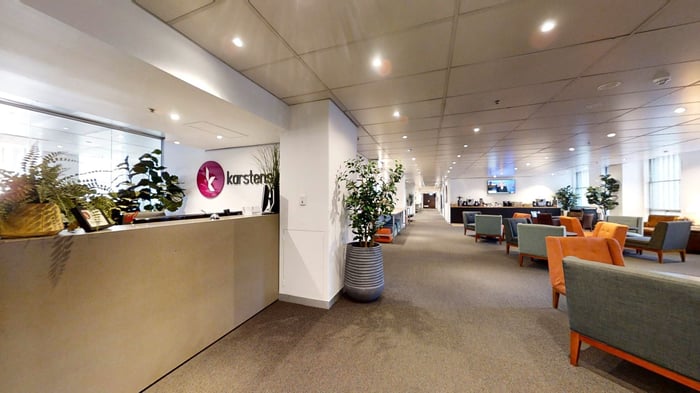
Karstens provides purpose-built conference and training venues in Melbourne, Sydney, Brisbane, Perth and Adelaide.
Depending on the venue, room and package, available facilities may include:
- Hybrid meeting capability
- Built-in presentation technology
- Professional cameras and microphones
- Reliable Wi-Fi
- Flexible room configurations
- Onsite event and technical assistance
- Breakout rooms
- Ergonomic seating
- Natural daylight
- Catering and dietary management
Organisations delivering the same program in several cities can work with one national venue partner to coordinate room layouts, technology, catering and event requirements.
Confirm all technology, inclusions and specialist needs when requesting a proposal.
Frequently Asked Questions
What Is Hybrid Training?
Hybrid training is a live learning session attended by people in a physical room and others joining online. Both groups participate at the same time using video-conferencing and presentation technology.
What Are the Benefits of Hybrid Training?
Hybrid training can reduce travel, expand access and allow geographically dispersed participants to learn together. It can also support national programs and employees who cannot attend in person.
What Equipment Is Needed for Hybrid Training?
Most hybrid sessions require cameras, presenter and room microphones, speakers, presentation screens, reliable internet and a video-conferencing platform. More complex sessions may need multiple displays or technical support.
How Do You Keep Remote Participants Engaged?
Address them regularly, monitor chat, use polls, invite questions and include activities that work online. Avoid long presentation blocks and ensure remote attendees can hear room discussions.
What Is the Best Room Layout for Hybrid Training?
The best layout depends on the session. Classroom suits structured courses, cabaret supports group work and U-shape encourages discussion. Camera views, microphones and screen visibility must be considered.
Does Hybrid Training Need a Moderator?
A moderator is recommended for larger or interactive sessions. They can monitor chat, manage online questions, support breakout rooms and help resolve connection issues.
How Long Should a Hybrid Training Session Be?
The appropriate length depends on the learning objective. Use shorter presentation segments, regular interaction and breaks to reduce screen fatigue and maintain attention.
How Do You Manage Hybrid Breakout Groups?
Remote participants may use online breakout rooms while in-room participants work at tables. Shared documents and consistent instructions help all groups complete the same activity.
What Should Be Tested Before Hybrid Training?
Test the presenter device, platform, cameras, microphones, speakers, screen sharing, videos, internet connection, online resources and the experience of a remote participant.
How Can Hybrid Training Be Made Accessible?
Provide captions where possible, use clear audio, distribute accessible materials, use readable slides and ask participants about specific requirements before the session.
Should Hybrid Training Be Recorded?
Recording may help participants review content, but organisers should explain the purpose, obtain appropriate permissions and clarify how the recording will be stored and shared.
What Should Organisers Ask a Hybrid Venue?
Ask about cameras, microphones, screens, internet, platform compatibility, room layouts, technical support, testing access, breakout spaces and any additional costs.
Plan Hybrid Training with Karstens
Successful hybrid training depends on equal participation, intentional facilitation, reliable technology, suitable room design and complete testing.
Plan for both audiences from the beginning rather than adapting an in-person session at the last minute.
Contact Karstens to discuss:
- Hybrid training rooms
- Technology requirements
- Flexible layouts
- Onsite technical support
- Catering
- Venue inspections
- Multi-city programs
- Tailored proposals
To assist you with planning click hyperlink the complete guide to corporate training venues