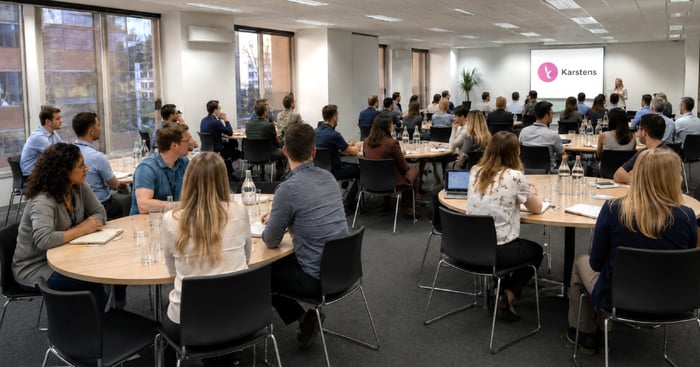

How to Organise a Successfull Conference in 2026

Plan your 2026 conference with confidence. This practical guide covers venues, tech, catering, and more to ensure your event runs smoothly.
Planning a conference can feel like a daunting task; but it doesn’t have to be. Whether you're organising a one-day seminar or a multi-day convention, success comes down to a few key elements: clear planning, the right venue, good communication, and attention to detail.
With 2026 just around the corner, now’s the time to start preparing. Here’s your step-by-step guide to organising a successful, professional, and stress-free conference.
- Define the Purpose and Outcomes
Start by getting crystal clear on why you’re hosting the conference. Ask yourself:
- What are the goals? (training, networking, thought leadership, product launch)
- Who is the audience? (Internal staff, clients, industry professionals)
- What should attendees walk away with?
Establishing these goals early will guide every decision you make, from your budget to your speaker line-up.
2. Set the Date and Plan Ahead
Give yourself 3–6 months’ lead time to secure venues, book speakers, and promote the event. When choosing your date:
- Avoid public holidays and industry peak periods
- Consider school terms if relevant
- Check for competing events
- Lock in key stakeholders (e.g. speakers, sponsors) before confirming.
- Choose the Right Venue
Your venue will set the tone for the entire event. Look for:
- A central location with good transport links
- Flexible room sizes and layouts
- Natural light and good acoustics
- On-site support staff
- Accessibility for people with disabilities
If you’re hosting multiple sessions or workshops, ensure there are breakout rooms and communal spaces.
- Get the Tech Right
Technology can make or break a conference. Confirm:
- High-speed internet access
- Audio-visual equipment (projectors, microphones, screens)
- Hybrid/streaming capabilities if remote attendees are involved
- Onsite tech support throughout the day
Don’t forget to test everything before the event starts.
- Keep Attendees Well Fed
Food matters. Offer a range of catering options that suit different dietary needs and energy levels. Your catering plan should cover:
- Morning tea and coffee
- Lunch (something easy to eat, like wraps or hot buffet)
- Afternoon snacks
If you have sponsors or stakeholders staying for networking drinks, consider canapés and beverage packages.
- Build an Event Schedule That Flows
Design a balanced program with a clear structure. Include:
- A strong opening keynote to set the tone
- Breaks every 60–90 minutes
- Time for networking and Q&A
- Interactive elements (polls, panels, workshops)
Make sure your schedule is clear and accessible — and stick to time.
- Promote Early and Often
- Use email marketing, social media, and partnerships to drive attendance. Consider:
- An event landing page with full details
- Early-bird or group discounts
- Speaker spotlights
- Behind-the-scenes content as the event approaches
Have a clear registration process and send timely reminders.
- Prepare Your Team
Hold a pre-event briefing with all staff and volunteers. Cover:
- The run sheet and schedule
- Who’s responsible for what
- Emergency procedures
- FAQ responses for attendees
Have signage, name badges, and registration packs ready early.
- Gather Feedback
- Collect feedback during and after the conference using:
- QR-code surveys on signage or slides
- Feedback forms in registration packs
- Follow-up emails with a short questionnaire
This helps improve future events — and shows attendees you value their input.
- Follow Up and Reflect
- After the event, don’t go silent. Follow up with:
- Thank-you emails to speakers and attendees
- Recordings or slides (if available)
- A post-event report for your team or sponsors
Hold a short debrief to review what worked and what can improve.
Final Thoughts
A successful conference in 2026 comes down to thoughtful planning, great communication, and creating an experience people remember — not just attend. Whether you’re organising for 10 or 200 people, start early, stay flexible, and focus on delivering value.
Your event doesn't need to be perfect — it just needs to be well-prepared and people-focused.
To assist you with planning click hyperlink The Complete Guide to conference planning